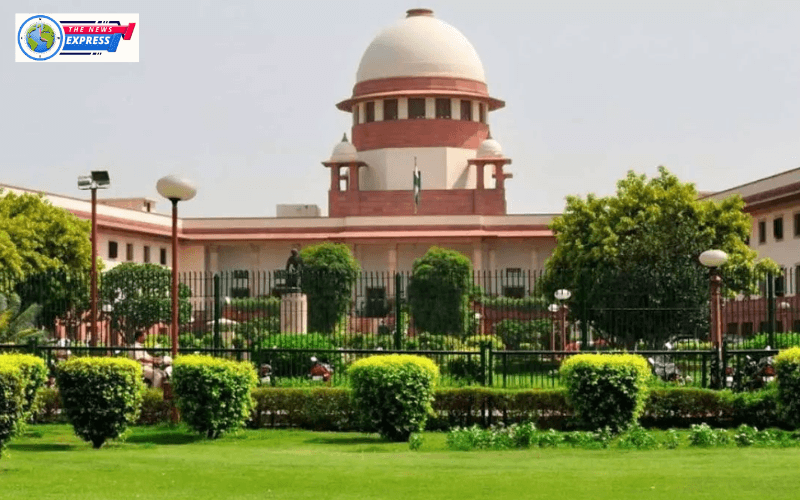
The Supreme Court has stressed the need to build a strong and reliable system for conducting the National Eligibility cum Entrance Test (NEET). The court said that reforms in the NEET examination process should become a permanent system.
A bench of Justices PS Narasimha and Alok Aradhe asked the National Testing Agency (NTA) to explain the steps taken to make the examination more secure. The court also sought details about the implementation of recommendations made by the Radhakrishnan panel and the Nandan Nilekani committee.
The court was hearing several petitions, including one filed by advocate Tanvi Dubey for the Federation of All India Medical Association (FAIMA).
The bench directed Solicitor General Tushar Mehta to submit a fresh affidavit within three weeks explaining the steps taken by the Centre and NTA.
“The Radhakrishnan Committee has correctly said it is a systemic problem which needs institutionalisation, which is the most important part of it. This process on paper everything is good. But then one exam happens and by the time the second exam happens it is a new picture all together,” the bench observed.
The Supreme Court said that NTA needs to become a stronger and more effective organisation. It made clear that the purpose was not to control the agency’s daily work but to ensure that proper systems are permanently put in place.
The court said that only long-term institutional reforms could help prevent repeated incidents such as paper leaks. It also stressed that recommendations should not remain only on paper and must actually be implemented.
The Centre was asked to provide details about the useful recommendations of the Radhakrishnan Committee that have been put into action. The court also asked the Nilekani committee to consider suitable reforms suggested by the Radhakrishnan panel.
The court was informed that the Nilekani Committee would meet to discuss several proposals, including the use of Artificial Intelligence (AI) and stronger security arrangements.
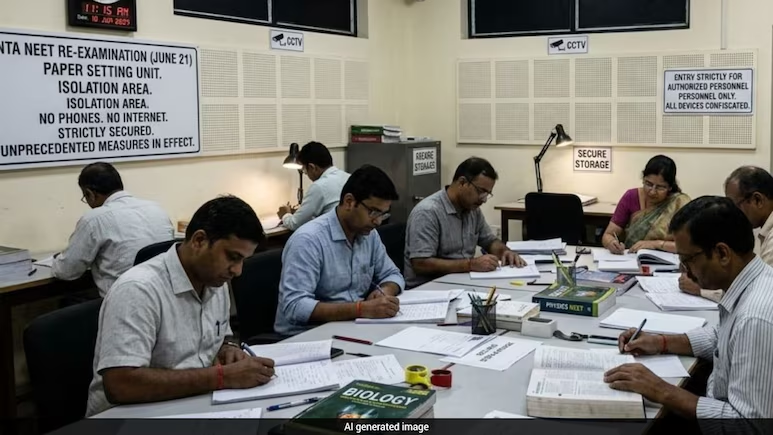
Mehta told the court that several safety measures are already followed from the printing of NEET question papers until they reach candidates. He said the current system is difficult to breach.
He also informed the court that vehicles transporting NEET question papers are fitted with GPS, which records even minor movements.
The Supreme Court will hear the matter again after three weeks.