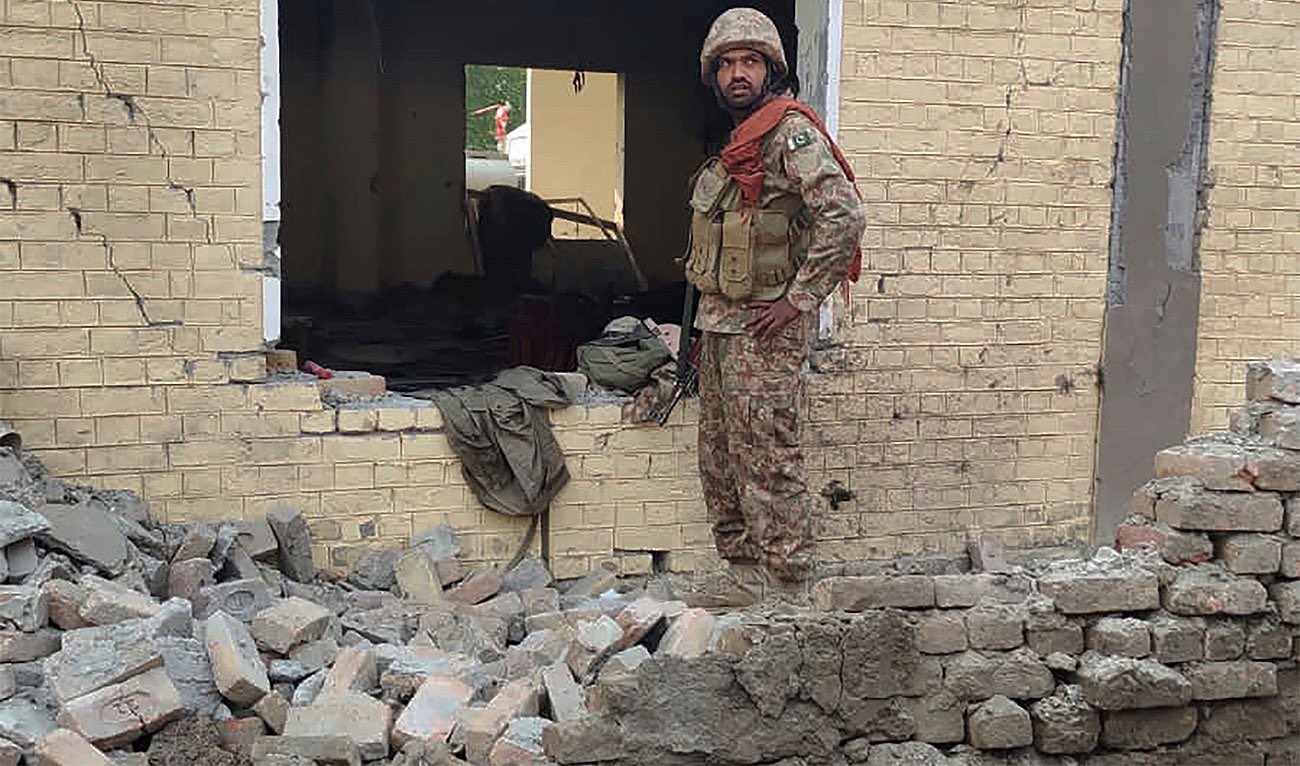
Russia : In recent developments concerning international diplomacy, Russia has officially recognized the Taliban regime in Afghanistan, a move that carries significant implications for both regional stability and global relations. Historical ties between Russia and Afghanistan date back to the Soviet era, specifically during the invasion of Afghanistan in the late 20th century, which has shaped a complex narrative of involvement and interest in the region. Following the Taliban’s takeover of Kabul in August 2021, the geopolitical landscape has necessitated a reevaluation of past policies, leading Russia to initiate a dialogue with the new Afghan administration.

Russia’s recognition comes at a time when Afghanistan is grappling with numerous challenges, including economic instability and humanitarian crises. By acknowledging the Taliban regime, Russia seeks to possibly position itself as a stabilizing force in the region, which may serve its broader strategic interests. Furthermore, this recognition is significant as it deviates from the international community’s largely cautious stance, which has maintained a wait-and-see approach towards formal engagement with the Taliban due to concerns about human rights and governance.
The timing of this recognition is crucial; with the Taliban control, Russia views an opportunity to influence Afghanistan’s path forward, potentially leveraging its position to combat terrorism and drug trafficking that have plagued the region for decades. It also reflects geopolitical maneuvering as Russia seeks to counterbalance Western influence in Central Asia and maintain its relevance in regional conflicts.
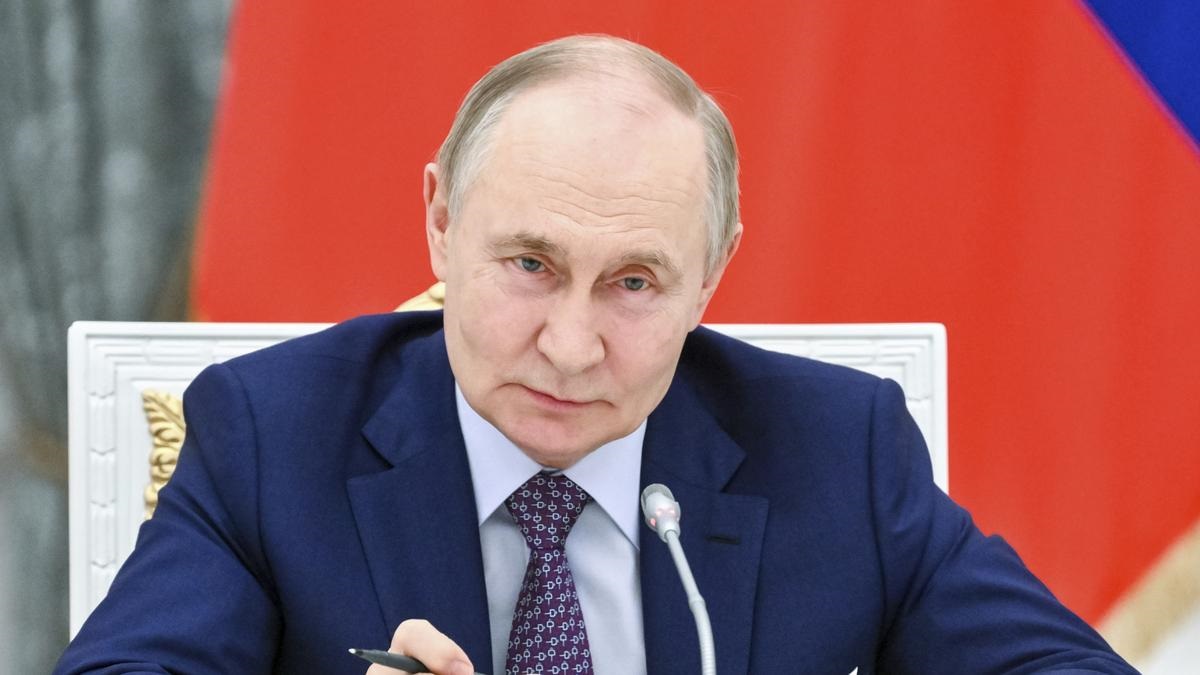
Ultimately, Russia’s decision to recognize the Taliban regime not only alters the dynamics within Afghanistan but also poses important questions regarding the future landscape of international relations, particularly in regards to how other nations—including China—may respond to this significant shift in recognition policy.
The Importance of International Recognition
International recognition plays a critical role in determining the legitimacy and stability of governing regimes, particularly for those like the Taliban in Afghanistan, who have historically faced significant challenges in gaining acceptance on the global stage. The acknowledgment of a regime by major world powers not only serves as a validation of its authority but also opens the door to a range of potential benefits, including financial aid, political legitimacy, and the establishment of diplomatic relations. Such recognition can facilitate access to international markets, development aid, and investment opportunities, all of which are essential for a regime striving to solidify its governance and improve living standards for its citizens.
The experience of previous regimes seeking recognition underscores the importance of this validation. For instance, when the Taliban first ruled Afghanistan in the late 1990s, they faced substantial challenges due to their lack of international recognition, which severely hampered their ability to engage with other nations and attract foreign investments. Conversely, regimes like the Libyan government under Muammar Gaddafi, once recognized by Western powers, were able to gain considerable leverage in the international arena, allowing them to secure financial aid and develop strategic partnerships.
The Taliban’s recent attempts to establish legitimacy reflect a broader pattern seen throughout history, where governance and recognition are intertwined. For the Taliban, gaining recognition from influential countries like Russia could not only legitimize their authority domestically but also enhance their standing globally, signalling a potential shift in how international relations are conducted in relation to Afghanistan. This recognition might also set a precedent for other nations to follow, thus reshaping geopolitical dynamics in the region. As the current situation unfolds, the interplay between recognition and the Taliban’s governance will be crucial in shaping the future of Afghanistan’s political landscape.
China’s Stance and Potential Response : Russia
China has maintained a cautious yet strategic stance concerning the Taliban regime in Afghanistan following Russia’s recognition of the group. The evolving political landscape in the region urges China to consider its own national interests, which are heavily tied to economic development, security concerns, and the overarching Belt and Road Initiative (BRI). Through the BRI, China seeks to enhance its connectivity with neighboring countries, and Afghanistan’s geographic location makes it a significant component of this initiative.
China’s economic interests in Afghanistan are primarily based on its ambitions to tap into the country’s rich mineral resources and establish trade links through Central Asia. The mineral wealth of Afghanistan, estimated to be worth trillions of dollars, particularly in rare earth elements, creates an alluring prospect for Chinese investments. However, these plans are complicated by ongoing security risks, particularly concerning the Taliban’s ability to govern effectively and maintain stability within the country.
Moreover, security remains a paramount concern for China, particularly regarding the potential spillover of extremist activities that could affect its Xinjiang province. The historical ties between Uyghur separatists and Afghanistan’s chaotic political environment heighten these apprehensions. Thus, China may adopt a policy of conditional engagement, choosing to recognize the Taliban in a diplomatic context only when it aligns with its security imperatives and strategic goals.
Whether China will follow Russia’s lead in officially recognizing the Taliban depends on multiple factors. International pressure, especially from countries that advocate for the Taliban’s isolation, could dissuade Beijing from formal recognition. Additionally, the Taliban’s governance practices and their commitment to providing a stable, secure environment for foreign investments will significantly influence China’s decision. As the situation unfolds, all eyes will be on Beijing to gauge its evolving position in relation to Afghanistan’s new regime.
Implications for Global Geopolitics
The recognition of Afghanistan’s Taliban regime by Russia introduces significant shifts in global geopolitics, which spearhead an intricate interplay among international actors. This landmark decision may pave the way for China to revisit its stance on the Taliban, thereby impacting broader strategic alliances and rivalries. Central Asia has always been a focal point for power dynamics involving neighboring countries and beyond; Russia’s engagement could embolden the Taliban, altering existing balances of power in the region.
With the United States and NATO closely monitoring these developments, there is potential for a reevaluation of their roles in Afghanistan and surrounding territories. The U.S. has already faced criticism over its abrupt withdrawal from Afghanistan, and Russia’s formal recognition of the Taliban may complicate American efforts to re-establish influence within this strategic landscape. Moreover, the Taliban’s governance could serve as a case study for other authoritarian regimes, thereby influencing how states approach similar governance structures and their relationships with international powers.
International organizations such as the United Nations may also need to reassess their policies toward Afghanistan. Following Russia’s lead could prompt responses ranging from sanctions to diplomatic efforts aimed at stabilization. The reactions from countries like India, Iran, Saudi Arabia, and Pakistan will be particularly noteworthy, as these nations hold vested interests in Afghanistan and its potential influence over regional security issues. The emerging geopolitical framework underscores the fluidity and complexity of international relations, where new alliances could form, and traditional rivalries may intensify as global powers navigate this evolving landscape.
In summary, the implications of Russia recognizing the Taliban regime extend beyond Afghanistan, potentially reshaping alliances and rivalries while posing new challenges for the United States, NATO, and global diplomatic efforts aimed at maintaining stability in Central Asia and beyond.