GST 2.0 Tax Reforms: The Goods and Services Tax (GST) Council has rolled out a series of changes that will shake things up for everyday folks across industries like food, housing, cars, farming, healthcare, and education. These updates, decided in the 56th meeting led by Finance Minister Nirmala Sitharaman, kick in today, Monday, September 22, 2025.
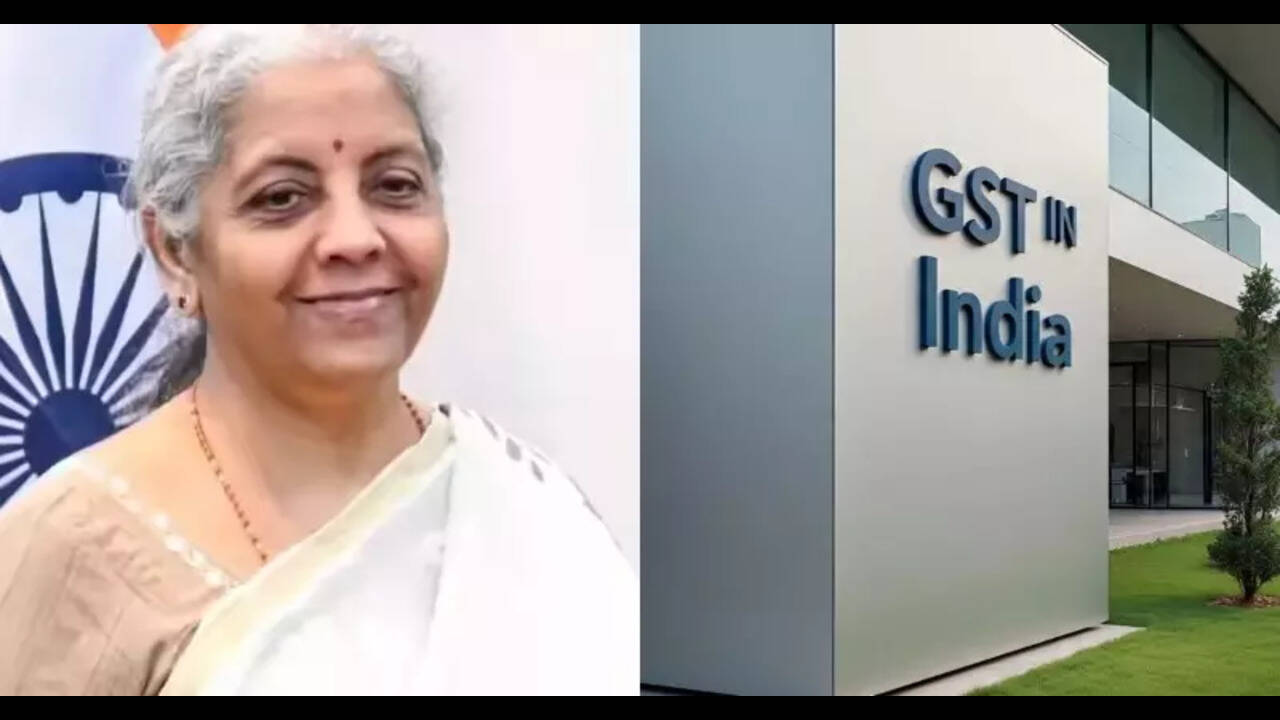
With the Bihar Assembly elections around the corner, these changes are hitting just before the state’s big festivals Chhath Puja and Diwali. Prime Minister Modi called the reforms a “double dose of happiness,” pointing out that they’ll likely make things like Durga idols for Navratri and Chhath Puja essentials (think soup, daura, and puja items) more affordable.
The reduction in GST rates before Diwali and Chhath Puja will provide people with more opportunities for shopping, increasing the vibrancy in markets during the festive season. The reduction in prices of daily and essential items is expected to bring relief to the common people in Bihar.

– GST exemption on life insurance policies: All individual life insurance policies are now exempt from GST. This includes term insurance plans, endowment policies, and unit-linked insurance plans (ULIPs). Reinsurance of these individual life policies has also been brought under the exemption.
– Tax rates on transportation services: Passenger transport by road will continue to be taxed at 5 per cent without input tax credit (ITC). However, transport operators can choose to pay 18 per cent with ITC if they prefer. For air travel, economy class tickets remain taxed at 5 per cent, while business and other premium classes will continue to attract 18 per cent.
– GST on local delivery services: If local delivery services are provided through an e-commerce operator (ECO) by an unregistered service provider, the GST liability shifts to the e-commerce operator. If the delivery provider is registered under GST, then that provider will be responsible for paying the tax.
GST rate on local delivery services: Local delivery services have been set at a standard rate of 18 per cent.