Reviving Trade Deal Talks : The trade relationship between the United States and India has undergone significant transformation over the past few decades, evolving through various phases influenced by geopolitical dynamics, economic growth, and domestic policies. Historically, both countries have recognized the potential benefits of trade, leading to several agreements aimed at fostering economic cooperation. However, the landscape of trade deals has faced challenges, including tariff disputes, regulatory barriers, and concerns over market access.
Reviving Trade Deal Talks : In recent years, multiple rounds of negotiations have been initiated; nevertheless, these discussions often resulted in stalemates due to differing priorities and expectations. The U.S. has focused on addressing its trade deficits while seeking greater protections for intellectual property, requiring India to adopt stricter policies. Conversely, India emphasizes the need for protecting its agricultural sector and prioritizing the interests of local industries amidst global competition. This clash of objectives underlines the complexity of achieving a mutually beneficial trade agreement.
Moreover, as both nations grapple with domestic economic challenges exacerbated by the impacts of global events such as pandemics and geopolitical tensions, the urgency for revitalized trade discussions has become more pronounced. The current landscape reflects not only the existing barriers to trade but also the immense potential that could be unlocked through concerted efforts and renewed commitment to negotiations. A successful trade deal would foster investment opportunities, create jobs, and enhance economic resilience for both nations.
As the Goyal-led team prepares to engage with U.S. counterparts, the backdrop of this intricate trade deal landscape serves as a reminder of the stakes involved. A resolution could significantly impact both economies, demonstrating the necessity of continued dialogue and collaboration between the two countries.
Key Players in the Negotiation Process
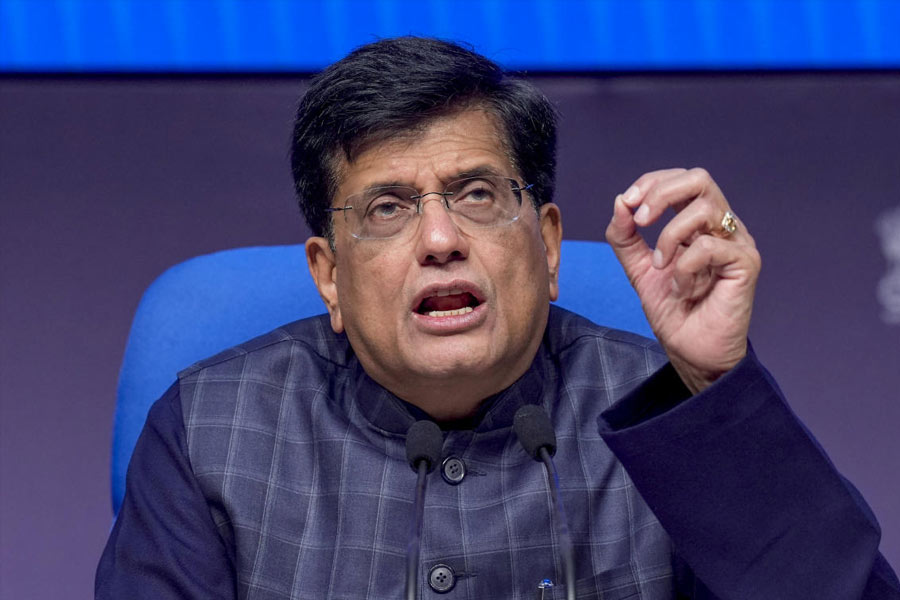
The ongoing trade deal discussions highlight several key players pivotal to the negotiation process. Leading these discussions is Union Minister Piyush Goyal, who has been entrusted with the responsibility of steering the negotiations on behalf of India. His extensive experience in trade and commerce positions him as a prominent figure, driving forth India’s objectives during the dialogue. Minister Goyal’s primary objective is to foster mutually beneficial outcomes that bolster trade relations between India and the United States. He aims to enhance market access, particularly for Indian goods, while ensuring that the concerns of domestic industries are adequately addressed.
Goyal’s team is composed of proficient negotiators who have specialized knowledge in various sectors, enabling them to engage effectively in intricate discussions. They plan to employ strategies such as leveraging India’s competitive advantages in certain industries and advocating for fair trade practices. By presenting data-backed proposals, they hope to establish a foundation for constructive dialogues that address trade barriers and tariffs. The team’s strategy is not only focused on immediate gains but also on establishing a long-term framework for cooperation and economic partnership.
On the counterpart side, key stakeholders within the US government are equally significant. These include representatives from the Office of the United States Trade Representative (USTR), who are responsible for negotiating trade agreements and policies on behalf of the US. Their perspectives are shaped by a variety of factors, including domestic economic interests and international trade dynamics. Understanding the priorities and concerns of US negotiators will be crucial for Goyal and his team, as these insights will influence their approach and tactics throughout the negotiation process. With both sides aiming to navigate the complexities involved, the resulting dialogue is set to play a crucial role in shaping future trade relations.
Anticipated Outcomes and Economic Implications
The upcoming trade discussions between the Goyal-led team and U.S. officials have generated considerable interest regarding their potential outcomes and subsequent economic implications for both nations. A key area expected to be a focal point of these negotiations is tariffs. Therefore, the reduction or elimination of tariffs could provide significant relief for exporters from both countries, enhancing the competitiveness of goods in each other’s markets. This adjustment could lead to lower prices for consumers and increased sales for manufacturers, resulting in an overall boost to economic activity.
Another critical aspect of the talks is foreign investment. With India being a rapidly growing market, U.S. companies have shown increasing interest in expanding their presence in the region. A successful agreement could facilitate smoother processes for foreign investments, reducing barriers and establishing a more predictable regulatory environment. This change would likely attract additional investment from the U.S., boosting job creation in India and enhancing bilateral economic ties.
Additionally, market access is a vital topic on the agenda. Improved market access for both nations could lead to a more robust exchange of goods and services. This outcome would be beneficial not just for large corporations but also for small and medium-sized enterprises (SMEs) eager to tap into larger markets. Analysts predict that a favorable agreement could enhance exporting prospects and drive innovation as businesses seek to compete more effectively across borders.
However, experts also caution about the long-term challenges that may arise from these discussions. Issues such as regulatory alignment and intellectual property rights might prove contentious. While the potential benefits of a renewed trade deal are substantial, navigating these complexities will be crucial in realizing the full economic potential of enhanced bilateral trade relations.
Next Steps and Future Prospects : Reviving Trade Deal Talks
The upcoming visit of the Goyal-led team to the United States represents a pivotal moment in the ongoing trade negotiations between India and the US. Following this visit, several key steps are expected to take place that will shape the trajectory of these discussions. Firstly, a series of planned meetings have been scheduled with US trade officials, industry leaders, and related stakeholders. These interactions are designed to facilitate a deeper understanding of mutual interests and concerns, thereby laying the groundwork for substantive negotiations.
Timelines for these negotiations will largely depend on the outcomes of the initial meetings. The Goyal-led delegation may outline specific areas of focus, such as tariff reductions, intellectual property protection, and trade facilitation measures. It is anticipated that an aggressive yet strategic timeframe will be proposed to advance discussions, potentially leading to a follow-up visit or video conferences to maintain momentum. However, it is essential to recognize that certain hurdles may arise during these negotiations. Differences in regulatory standards, concerns over market access, and geopolitical considerations could pose significant challenges.
Broader implications of these trade discussions extend beyond bilateral relations and may influence global economic trends. As countries worldwide adapt to shifting trade dynamics, the developments in US-India negotiations could serve as a bellwether for future trade deals. The success or failure of these discussions may also provide insights into how global trade policies evolve amidst changing economic circumstances, such as inflationary pressures and supply chain disruptions.
Ultimately, keeping a close eye on these developments will be crucial for stakeholders across industries. The outcome of these negotiations could redefine trade practices and partnerships that resonate in the years to come.