The H-1B visa program serves a vital role within the U.S. labor market by allowing U.S. employers to temporarily employ foreign workers in specialty occupations. The primary aim of this program is to address skills shortages in sectors requiring highly specialized knowledge, such as information technology, engineering, and healthcare. For employers, the H-1B visa offers a pathway to recruit qualified talent from around the globe, ensuring that they maintain a competitive edge in their industries.Eligibility for H-1B visas requires that the employed foreign worker possess a bachelor’s degree or higher in a relevant field or its equivalent in work experience. Employers must also demonstrate that the position offered qualifies as a specialty occupation, meaning that it requires specific knowledge and expertise. Furthermore, the employer must attest that hiring a foreign worker will not adversely affect the wages and working conditions of similarly employed U.S. workers. This stipulation is crucial as it aims to protect the local labor market.
Trump’s $100,0000 Fee : The application process for an H-1B visa involves several steps, beginning with the employer filing a Labor Condition Application (LCA) with the Department of Labor. Upon approval of the LCA, the employer submits a petition to the United States Citizenship and Immigration Services (USCIS). Once the petition is approved, foreign workers may apply for the visa at a U.S. consulate. It is also essential to note that there is an annual cap on the number of H-1B visas issued, which reflects a continued demand for skilled labor.
The significance of the H-1B visa program extends beyond individual employment; it contributes to economic growth by fostering innovation and productivity. The program has evolved over the years, responding to shifting economic needs and immigration policies. Its continued relevance highlights the balancing act between protecting domestic job markets while recognizing the importance of foreign expertise in enhancing U.S. competitiveness.
Details of the New $100,000 Annual Fee
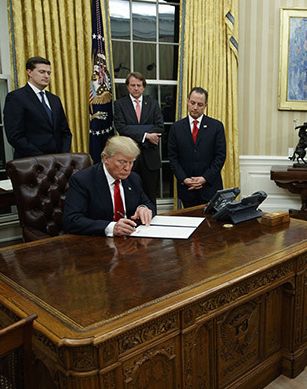
Trump’s $100 : The recent decision to impose a $100,000 annual fee for H-1B visas under the Trump administration has stirred considerable debate and concern among businesses, particularly those that depend heavily on skilled foreign labor. This fee is positioned as a mechanism to generate revenue for various programs intended to enhance workforce development in the United States. By substantially increasing the cost of obtaining H-1B visas, the administration aims to incentivize companies to prioritize domestic hiring over employing foreign workers.
Trump’s $100 : The implementation of this fee is expected to occur immediately following its formal announcement. Companies wishing to employ H-1B visa holders will be required to budget this new expense into their operational costs. This additional burden raises significant questions regarding the financial viability of hiring foreign professionals, particularly for small to medium-sized enterprises that may struggle to accommodate such high fees. The expected changes not only impact the recruitment strategies of companies but could also lead to reduced competition in the labor market, as businesses may opt to limit their applications or seek alternatives to H-1B workers.
While the rationale behind the fee suggests a commitment to fostering local employment, there are concerns regarding the potential ramifications of this policy. Exceptions or criteria that could allow for waivers have not been explicitly defined, leading to uncertainty among stakeholders. Thus, companies would need to navigate a complex and potentially costly regulatory environment. Ultimately, the imposition of this fee could significantly alter operational budgets and hiring decisions, challenging the competitive landscape of industries reliant on H-1B visa holders. As businesses assess their strategies, the broader implications of the fee on talent acquisition and innovation in the U.S. workforce merit careful consideration.
Reactions from Businesses and Advocates : AnnuaTrump’s $100,000 Fee
The announcement Trump’s of a $100,000 annual fee for H-1B visas has elicited strong reactions from various stakeholders, particularly businesses and immigration advocates. Many employers are concerned that this substantial fee will hinder their ability to attract top international talent. High-tech industries, reliant on skilled foreign workers, have expressed fears that the costs associated with the new fee could lead to reduced competitiveness. A recent survey by the National Association of Manufacturers indicated that 63% of manufacturers believe the fee will limit their access to critical skills necessary for innovation and growth.
Industry leaders have voiced their frustrations through numerous channels. For example, the Information Technology Industry Council stated that such elevated fees could force companies to consider relocating jobs abroad, citing that the U.S. labor market might suffer as a result. Broadly speaking, this sentiment reflects worries that the new fee structure could create a disincentive for companies to sponsor H-1B workers, ultimately constraining the innovation ecosystem within the United States.
On the other hand, immigration advocates have welcomed the fee as a means of ensuring that employers contribute fairly to the U.S. economy. They argue that the revenues generated from the fees could fund various educational and vocational training programs aimed at developing local talent. Advocates from organizations like the American Immigration Council have emphasized that the revenue raised might help bridge skills gaps in the workforce, pointing to potential benefits for U.S. citizens seeking employment in tech and other demanding sectors.
The divide among stakeholders highlights the broader implications of the new fee structure for the labor market. While some view it as a threat to business operations and job creation, others see it as an opportunity to invest in domestic skills development. The coming months will likely shed more light on the effects of this policy shift and how it will shape the future of the H-1B visa program.
Future of the H-1B Visa Program and Immigration Policy
The recent implementation of a $100,000 annual fee for H-1B visas signifies a pivotal moment for the United States immigration policy, particularly concerning the employment of skilled foreign labor. This increase in costs is likely to deter many international applicants and employers, potentially leading to a decline in the number of H-1B applications. As businesses weigh the financial implications of this new fee, it is reasonable to anticipate a shift in recruitment strategies. Companies may begin to prioritize hiring domestic talent over foreign workers, which could impact the flow of skilled labor into the U.S. workforce.
Furthermore, the implications of this fee extend beyond immediate application trends. As the global market for skilled professionals becomes increasingly competitive, nations that offer more conducive immigration policies may attract talent that would have otherwise considered the U.S. This reality poses questions regarding the future competitiveness of American industries reliant on specialized skill sets. If the H-1B visa program becomes less accessible, sectors such as technology, healthcare, and engineering may struggle to fill critical vacancies, ultimately hindering innovation and economic growth.
Experts have indicated that different reactions from stakeholders, including employers, educators, and immigration advocates, could shape public sentiment moving forward. Legal challenges may arise if the fee is seen as an attempt to restrict immigration under the guise of raising revenue. This could lead to further scrutiny and adjustments within the current framework of U.S. immigration policy. Moreover, responsiveness to public feedback might encourage policymakers to reconsider the balance between managing immigration and fostering a robust labor market.
As discussions about skilled labor and immigration continue to evolve, the long-term implications of the $100,000 annual fee will unfold, influencing the landscape of the H-1B visa program and the broader context of U.S. immigration policy.