The Ministry of External Affairs (MEA) on Tuesday issued a fresh advisory for Indian citizens in Nepal as the Himalayan nation plunged into political crisis following Prime Minister K.P. Sharma Oli’s resignation amid violent anti-government protests.
The MEA has urged Indian nationals to defer all non-essential travel to Nepal until the situation stabilises. For those already residing in Nepal, the advisory calls for staying indoors, avoiding movement on streets, and following safety instructions issued by local authorities and the Embassy of India in Kathmandu.
The Embassy has also set up dedicated helplines for assistance:
• +977 980 860 2881 (WhatsApp-enabled)
• +977 981 032 6134 (WhatsApp-enabled)
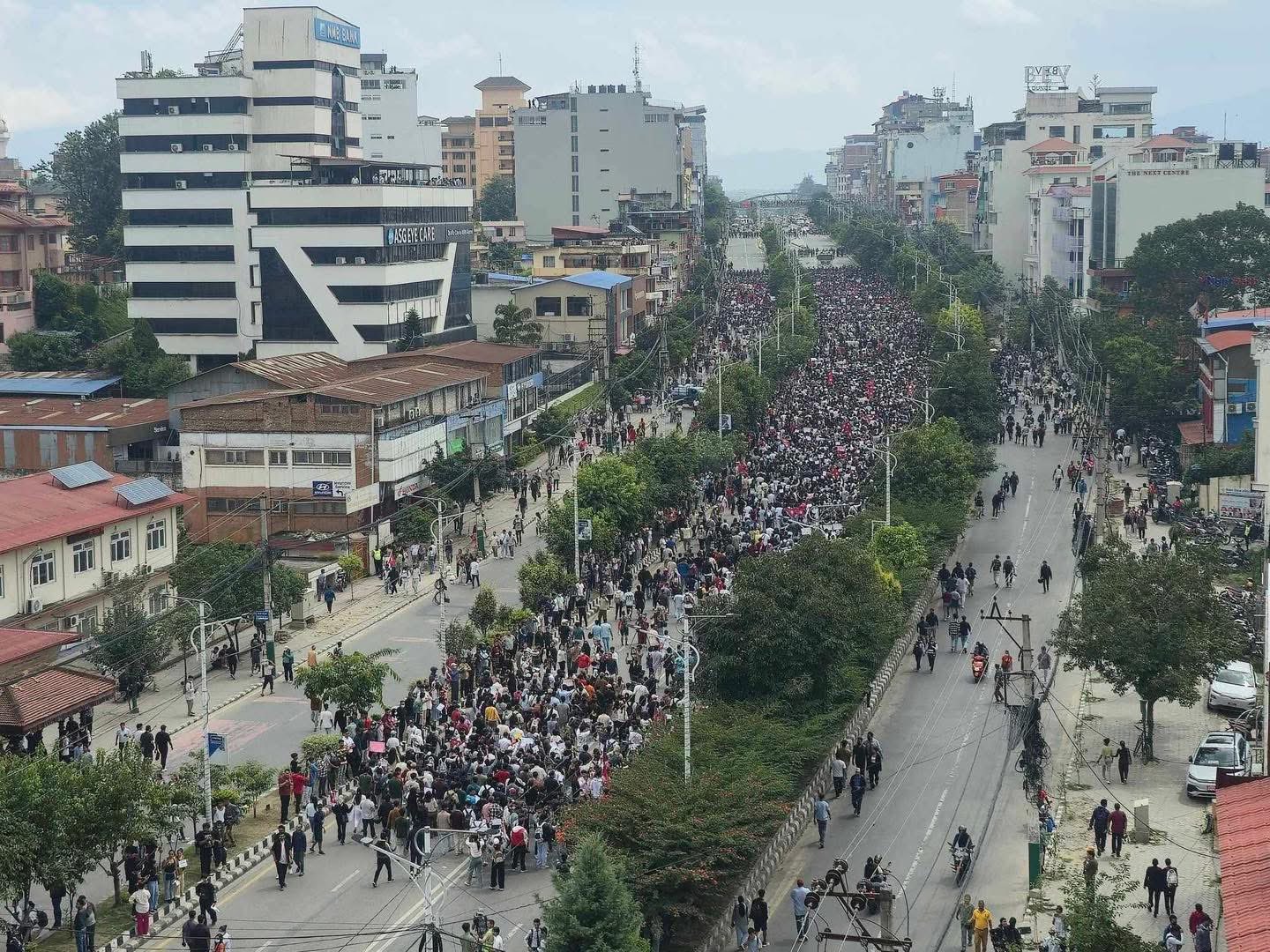
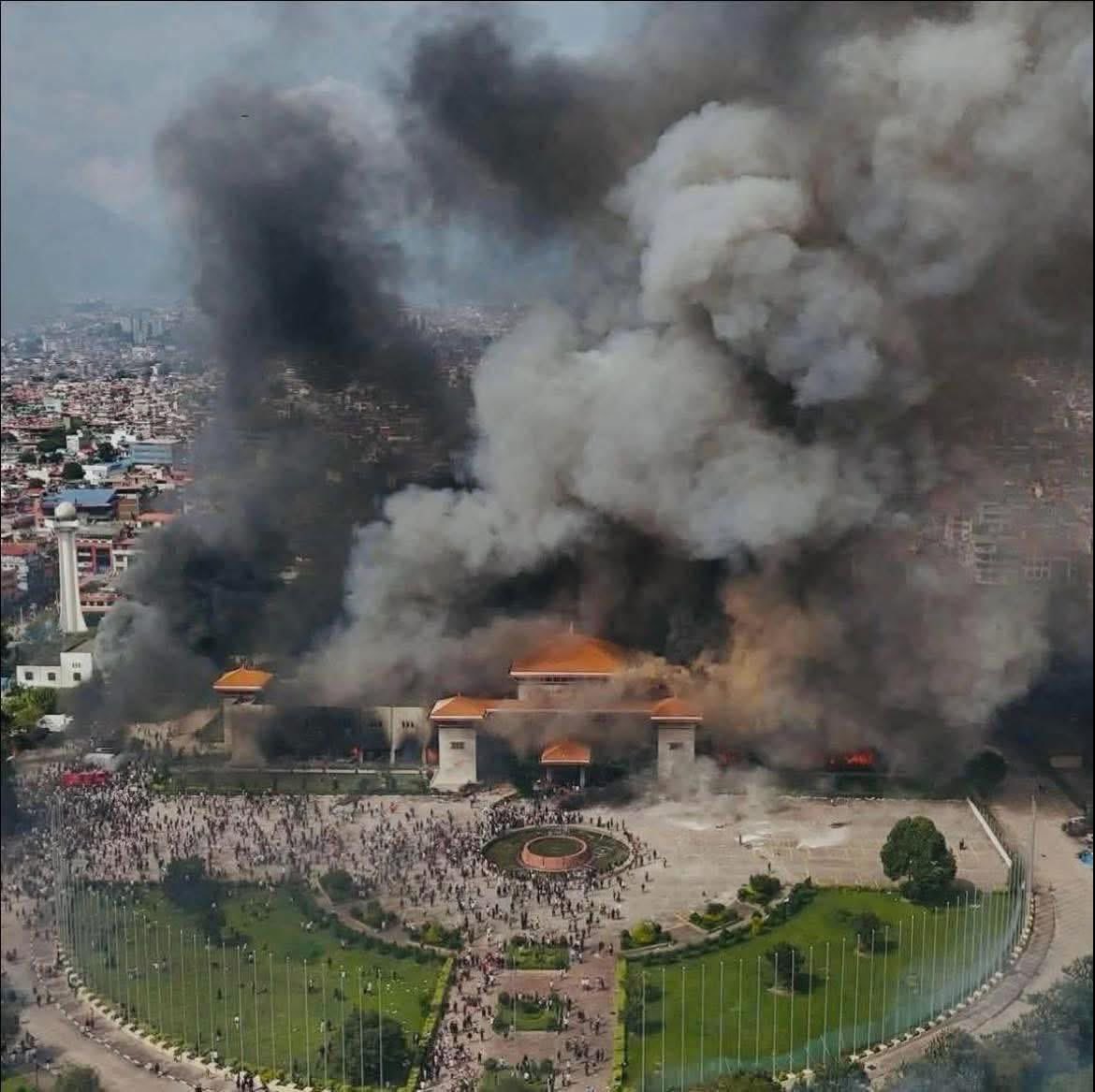
Despite an indefinite curfew, thousands of young protesters gathered in the capital on Tuesday, torching vehicles, burning tyres, and vandalising government offices. Protesters stormed into Singh Durbar,the main administrative complex—while parliament was set on fire. Residences of top leaders, including those of President Paudel, former PM Pushpa Kamal Dahal, and ex-Prime Minister Sher Bahadur Deuba, were also attacked. Authorities confirmed that Kathmandu’s Tribhuvan International Airport was shut temporarily due to heavy smoke from burning tyres near the runway.
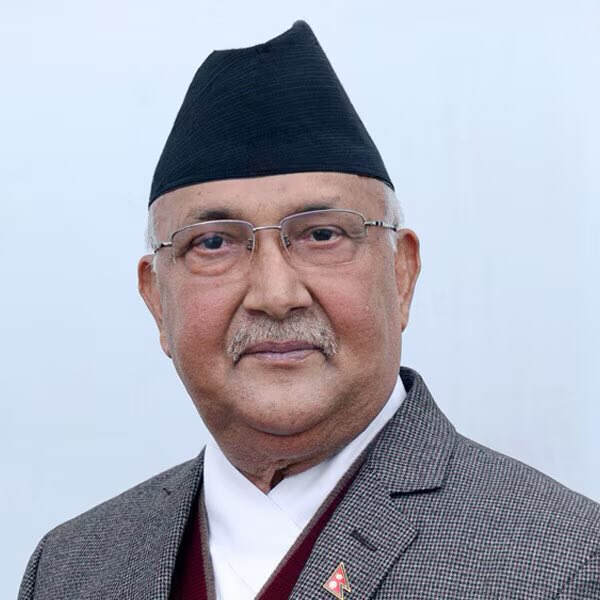
Prime Minister KP Sharma Oli resigned on Tuesday after student-led demonstrations spiraled into some of the worst political unrest Nepal has witnessed in decades. The protests, sparked by a controversial social media ban and deepening anger over corruption, left at least 19 people dead and over 100 injured. In his resignation letter, Oli said he stepped down “to facilitate a constitutional resolution of the crisis,” while urging political parties to seek peaceful dialogue. President Ramchandra Paudel has accepted the resignation and initiated consultations for forming a new government.
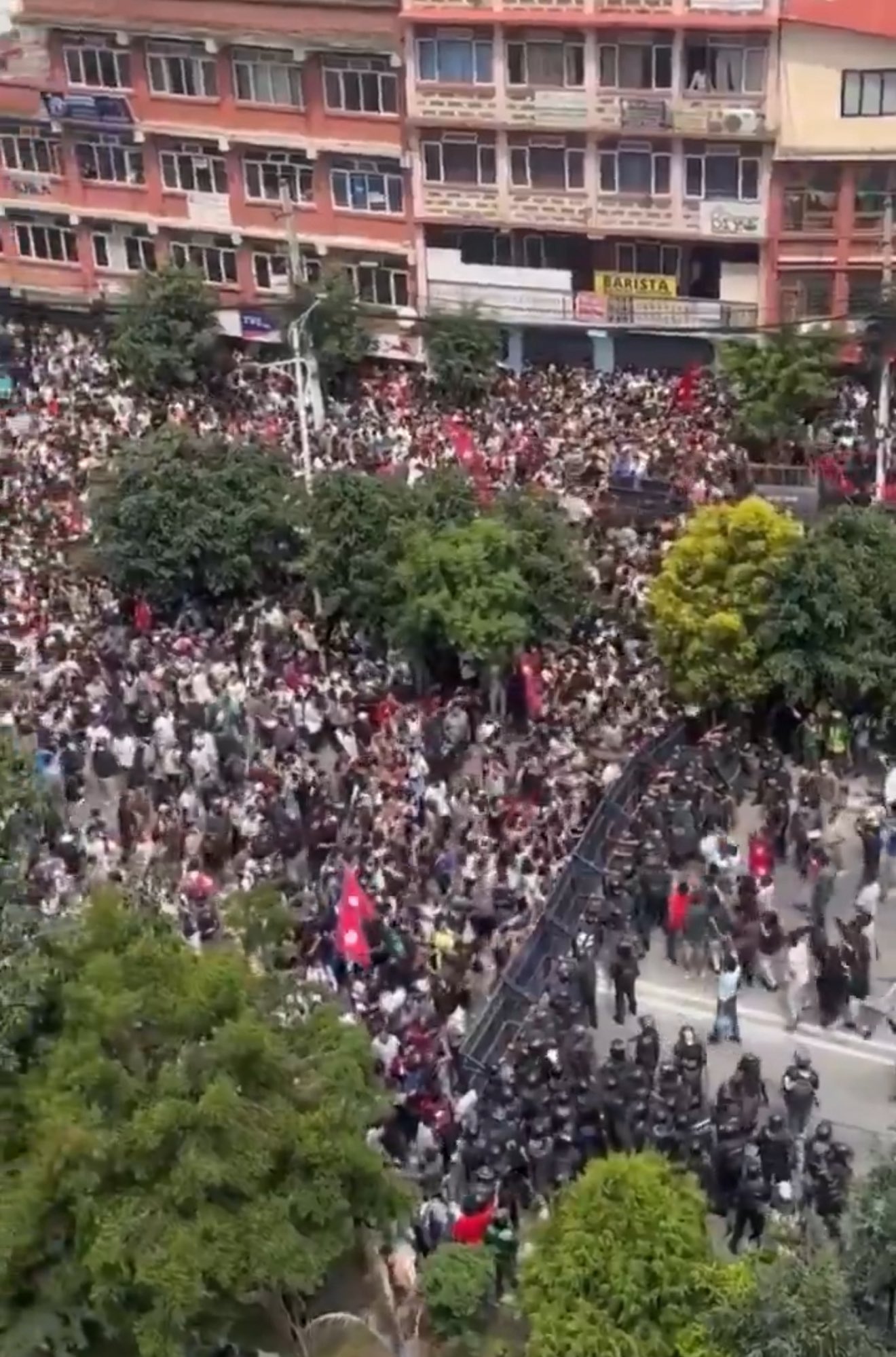
Organisers have described the uprising as a “Gen Z movement”, driven by widespread frustration over corruption and economic stagnation. Social media had been a powerful tool for protesters to highlight the lavish lifestyles of politicians’ families, sparking widespread resentment. “The government tried to silence us by banning social media, but that only added fuel to the fire,” one protester told local media.