Understanding UAE Media Law
The media landscape in the United Arab Emirates (UAE) is governed by a complex framework of laws and regulations that are essential for ensuring responsible communication and advertisement practices. One of the principal regulations is the Federal Law No. 15 of 1980 concerning publications and the establishment of the National Media Council (NMC), which plays a pivotal role in overseeing media operations within the country. This law addresses a variety of aspects, including the dissemination of information, the regulation of advertising content, and the protection of public morality.
In the context of hotel marketers engaging influencers for social media campaigns, understanding these media laws is crucial. The UAE’s legal framework stipulates certain restrictions and guidelines around promotional activities, especially those that involve social media and influencer partnerships. For instance, all published materials must adhere to a set of standards that prevent the promotion of harmful or misleading content. Additionally, any advertisement must be transparent, clearly indicating that it is a paid partnership, which aligns with the practices necessitated by the authorities in the UAE.
The National Media Council plays an integral role in the enforcement of these regulations, often evaluating the content of marketing campaigns and publications. The Council not only issues licenses but also ensures that media organizations and marketers comply with legal and ethical standards. Therefore, hotel marketers must remain vigilant and informed about any changes in these regulations to avoid potential penalties or restrictions on their advertising efforts.
In light of these directives, it is imperative that marketers assess their influencer collaborations comprehensively. By doing so, they can ensure compliance with UAE media law and establish authentic and lawful engagements that resonate well within the country’s regulatory framework.
Influencer Marketing in the UAE: Legal Considerations
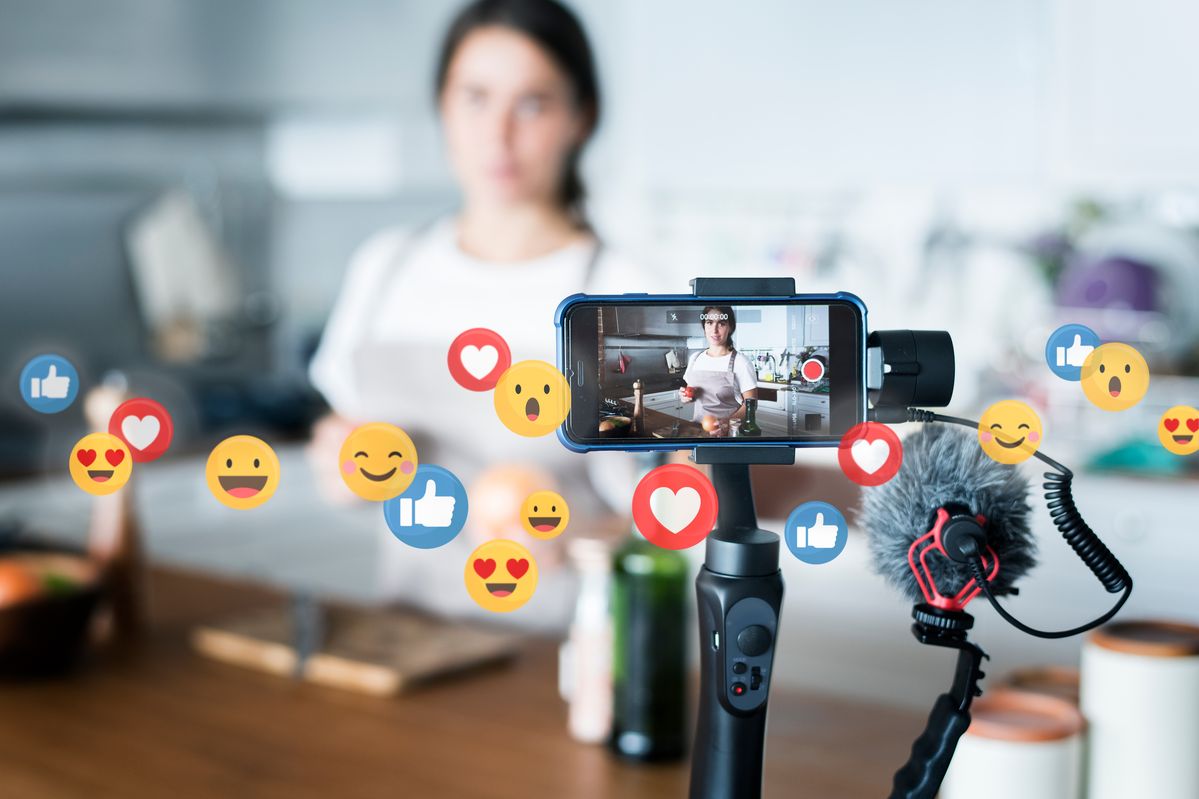
Breaking News Influencer marketing has become an integral component of advertising strategies in the UAE, particularly for hotel marketers. However, it is imperative for marketers to navigate the nuances of local media laws and regulations to ensure compliance. One of the primary legal considerations involves adhering to the advertising standards set by the National Media Council (NMC). Under these regulations, all advertising, including content generated by influencers, must be clearly distinguishable as promotional. This necessitates the use of disclosures that indicate when content is sponsored or paid for, thereby maintaining transparency with the audience.
Moreover, hotel marketers must be vigilant about the necessity for clarity in influencer communications. Sponsored content should not mislead consumers and must reflect authenticity. It is crucial to establish a distinction between personal opinions and promotional messaging. This distinction not only fosters trust with audiences but also mitigates the risk of legal repercussions. Influencers should be encouraged to openly disclose their relationships with brands, regardless of the platform being utilized for engagement.
Failure to comply with these advertising regulations can result in significant penalties, including fines or restrictions on marketing activities. Therefore, establishing clear and legally sound contracts is essential. These contracts should delineate the responsibilities of both marketers and influencers, outlining key aspects such as content guidelines, disclosure requirements, and the repercussions of non-compliance. By prioritizing compliance and transparency, hotel marketers can successfully engage influencers while safeguarding their reputation and adhering to local laws.
Best Practices for Complying with UAE Media Law in Influencer Campaigns
Engaging influencers in the UAE presents unique challenges, particularly concerning compliance with media law. Hotel marketers must prioritize adherence to legal standards while harnessing the influence of social media personalities to promote their brands. This section outlines essential best practices to ensure compliance and successful influencer campaigns.
First and foremost, it is crucial for hotel marketers to thoroughly vet potential influencers. Review their previous content, audience engagement rates, and overall reputation. Select influencers who align with the hotel’s brand values and target demographic. Engaging with reputable influencers not only promotes effective collaboration but also mitigates any potential legal complications arising from inappropriate or non-compliant content.
Understanding UAE Media Law Establishing clear guidelines for content creation is another vital practice. These guidelines should specify the expected tone, messaging, and visuals to ensure uniformity with the hotel’s branding. Moreover, influencers must transparently disclose their partnerships to comply with legal requirements pertaining to advertising. Ensure that promotional materials include necessary disclosures, such as hashtags like #ad or #sponsored, which inform the audience about the nature of the relationship.
Understanding UAE Media Law Marketers are encouraged to invest in ongoing training on UAE media law to keep their teams informed about the legal landscape. Regularly updated knowledge will enhance compliance and promote ethical advertising practices. Additionally, investing in legal consultation when designing influencer campaigns can provide invaluable insight into specific Media Council regulations, ensuring that promotional activities remain within the parameters of the law.
Lastly, successful campaigns serve as valuable references. For instance, campaigns that have effectively enhanced brand visibility while complying with media regulations demonstrate the benefits of thorough planning and adherence to legal standards. Sharing these case studies with potential influencers can foster a mutual understanding of campaign expectations and legal obligations.
Case Studies: Brand Success and Lessons Learned
Understanding UAE Media Law In the rapidly evolving landscape of influencer marketing within the UAE, several hotel brands have successfully navigated the stringent media laws, setting noteworthy examples in the process. One such campaign was initiated by a prominent luxury hotel chain that sought to leverage popular regional influencers to boost brand visibility and engagement. The campaign emphasized compliance with local media regulations by ensuring that all sponsored content was transparently labeled and that influencers were educated about legal marketing practices prior to the launch.
Understanding UAE Media Law This strategy not only fostered trust among the target audience but also mitigated potential legal challenges. By providing influencers with the necessary tools and guidelines to operate within the confines of UAE media law, the hotel chain effectively increased its reach and brand affinity without compromising compliance. This approach resulted in a significant rise in bookings and customer engagement on social media platforms, illustrating how understanding media laws can pave the way for success in influencer marketing.
Understanding UAE Media Law Another noteworthy case involved a hotel resort that faced challenges surrounding content regulation during a promotional campaign featuring a well-known travel influencer. Initially, the brand encountered hurdles concerning copyright infringement and the use of third-party music in promotional videos. To overcome these issues, the marketing team re-evaluated the content strategy by collaborating with legal advisors to ensure that all marketing materials were compliant with the established media guidelines. This collaboration led to the development of original content, which not only adhered to legal requirements but also resonated well with the audience, ultimately leading to an increase in both follower engagement and bookings.
Understanding UAE Media Law These case studies underscore the importance of a thorough understanding of UAE media law for hotel marketers. By proactively addressing potential legal challenges, brands can not only foster positive relationships with influencers but also create impactful marketing campaigns that drive tangible results.