Ukraine-Russia War Latest:
Ukraine-Russia War Latest: The ongoing conflict between Ukraine and Russia has entered a critical phase, characterized by increased military engagements and heightened geopolitical tensions. This war, which began in 2014 with the annexation of Crimea, has seen various shifts in dynamics, particularly in recent months. The conflict is marked by not only the military struggles on the ground but also significant international involvement, with countries like the UK providing essential support to Ukraine in its defense efforts.
Recently, the UK has escalated its military assistance by sending more Storm Shadow missiles to Kyiv. This decision is a direct response to the evolving situation on the battlefield, where Ukrainian forces are striving to reclaim territory and strengthen their defensive capabilities against continued Russian aggression. The Storm Shadow missile, known for its long-range precision, represents a crucial enhancement to Ukraine’s military arsenal, aimed at turning the tide in favor of Ukrainian forces. The inclusion of such advanced weaponry signals the UK’s unwavering commitment to assist Ukraine amidst ongoing negotiations and military strategies.
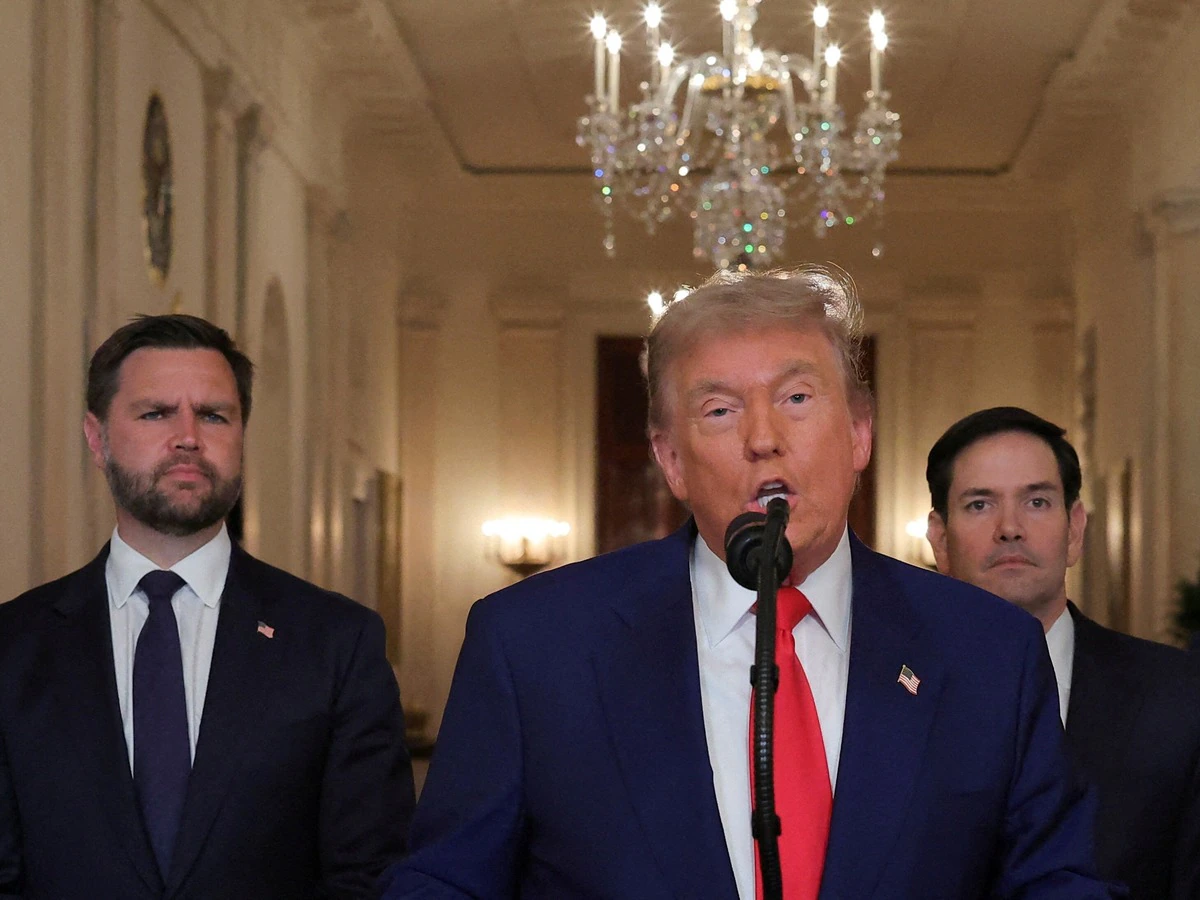
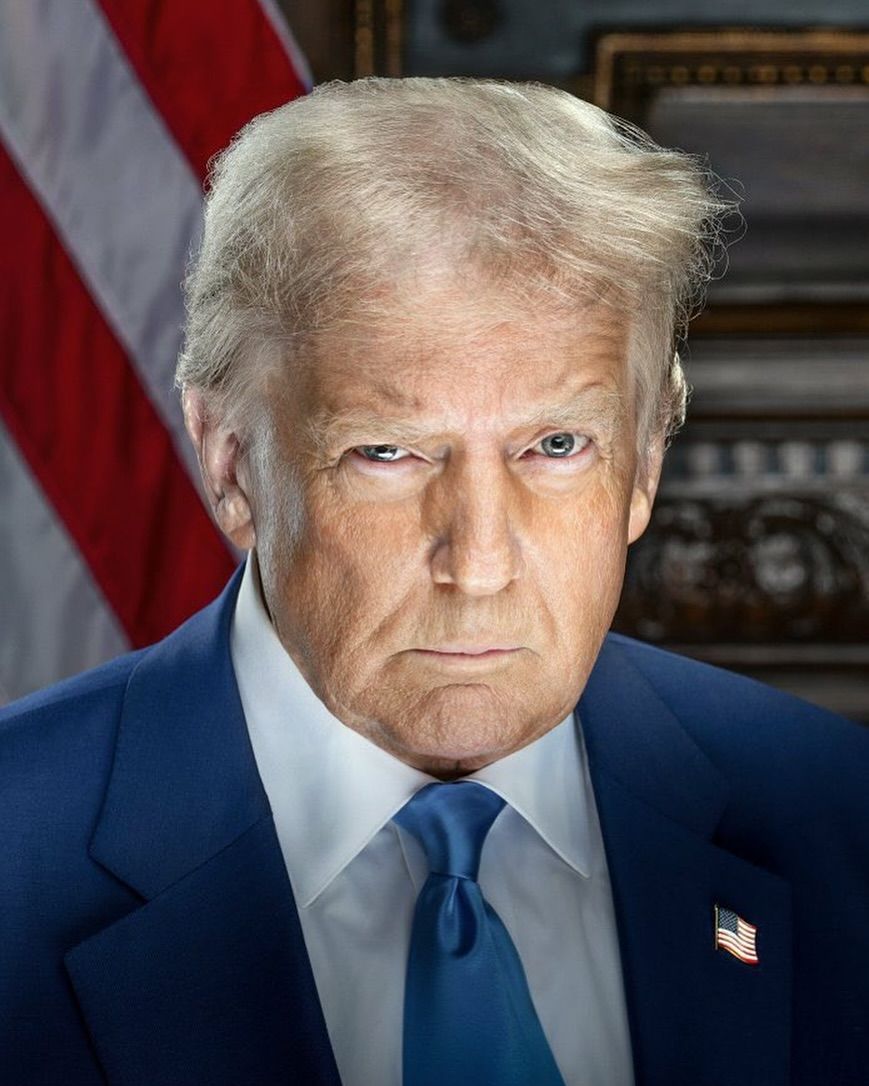
In addition to military developments, the situation has been further complicated by statements from prominent figures, including former US President Donald Trump. Trump recently accused President Vladimir Putin of conducting secret nuclear tests, a claim that has fueled global concerns regarding the potential escalation of military actions and the implications for international stability. This narrative not only reveals the intricacies of the current conflict but also underscores the global implications of the Ukraine-Russia war. Consequently, understanding the interplay of these elements is essential for grasping the current state of the Ukraine-Russia conflict, particularly regarding military aid and geopolitical responses.
Details of the UK’s Military Support
Ukraine-Russia War Latest: The United Kingdom has reaffirmed its commitment to supporting Ukraine in the ongoing conflict with Russia by supplying additional Storm Shadow missiles. These advanced air-launched cruise missiles have gained attention for their impressive range and precision targeting capabilities, making them a valuable asset in modern warfare. The Storm Shadow missile can strike targets at a distance of up to 560 kilometers, which enables Ukrainian forces to engage enemy installations deep within occupied territory while minimizing risks to civilian populations.
Ukraine-Russia War Latest: Before this recent batch, the UK had already provided substantial military aid to Ukraine since the commencement of hostilities. This includes various weaponry, training for Ukrainian forces, and logistical support. The UK government has consistently emphasized the importance of ensuring that Ukraine remains capable of defending its sovereignty amidst the ongoing threats posed by Russian aggression. The supply of Storm Shadow missiles marks a significant escalation in the UK’s military assistance, positioning Ukraine to conduct more effective counter-offensives.
The strategic implications of the introduction of these missiles are noteworthy. By enhancing Ukraine’s ability to strike significant military targets, the Storm Shadow missiles not only aim to degrade Russian military capabilities but can also alter the battlefield dynamics. This integration of advanced weaponry is likely to serve as a deterrent against further Russian incursions. Additionally, the UK’s decision to supply these missiles reflects a growing consensus among Western nations that robust military support is essential for Ukraine to navigate the challenges posed by the conflict.
In sum, the provision of Storm Shadow missiles underscores the UK’s ongoing commitment to supporting Ukraine in its efforts to resist external aggression, reinforcing the message that the international community stands united in the face of challenges to sovereignty and territorial integrity.
Trump’s Accusations and Their Implications
Ukraine-Russia War Latest: Recently, former President Donald Trump has made headlines by accusing Russian President Vladimir Putin of conducting secret nuclear tests. Such claims are significant, especially in the context of the ongoing Ukraine-Russia war. Trump’s allegations arrive at a time when geopolitical tensions are heightened, and any mention of nuclear capabilities tends to provoke heightened scrutiny and concern from the international community.
The context behind Trump’s statements appears rooted in the broader narrative surrounding the Ukraine conflict. With Russia’s aggressive military actions and the West’s response, understanding the motivations behind these accusations is crucial. It can be construed as Trump attempting to position himself as a knowledgeable figure on foreign policy matters, while also appealing to his base, which often expresses skepticism towards Russia. However, the lack of substantive evidence accompanying these accusations raises questions about their credibility.
The implications of such claims are far-reaching. They risk further escalating tensions between the United States and Russia, complicating diplomatic engagements. In addition, the statement may influence public perception by stirring fears regarding nuclear proliferation. The potential for a nuclear confrontation looms larger in the minds of citizens following such pronouncements, perhaps fostering a more aggressive military stance among NATO allies and prompting discussions about increased defense spending or strategic military deployments.
Responses from global leaders and institutions to Trump’s comments will also play an essential role. Some may view this as a chance to rally against perceived threats, while others may dismiss it as a political maneuver without bearing on reality. Overall, these accusations underscore the delicate balance within international relations and the power of rhetoric in shaping geopolitical narratives amidst the ongoing conflict.
Global Reactions and Future Outlook
Ukraine-Russia War Latest: The recent escalation of military support for Ukraine by the United Kingdom, particularly through the deployment of Storm Shadow missiles, has elicited varied reactions from around the globe. Countries within NATO have largely expressed their support for this action, viewing it as a pivotal step in reinforcing Ukraine’s defense against ongoing Russian aggression. Analysts in various nations have remarked that such measures may embolden Kyiv to continue its efforts in reclaiming territories lost to Russia, potentially prolonging the conflict.
Conversely, nations such as China and India have taken a more cautious stance. They emphasize the need for diplomatic solutions and have urged both parties to engage in constructive dialogue. Their respective governments have warned that escalating military aid could exacerbate tensions and lead to a larger geopolitical confrontation, an outcome neither side desires. Additionally, organizations like the United Nations have reiterated calls for peace negotiations, stressing that a protracted conflict will have severe humanitarian implications.
Ukraine-Russia War Latest: Former U.S. President Donald Trump’s allegations regarding secret nuclear tests conducted by Russia add another layer of complexity to the situation. Such claims have raised alarms not only within the United States but also among U.S. allies, prompting discussions about the necessity for enhanced security arrangements. Experts argue that these assertions, if substantiated, could lead to a reevaluation of nuclear policies in both Europe and the United States, potentially altering the geopolitical landscape.
As military aid to Ukraine continues to evolve, the future outlook remains uncertain. Observers suggest that intensified military support, coupled with ongoing hostilities, may lead to a prolonged stalemate rather than a decisive resolution. Ultimately, the war’s trajectory will depend on diplomatic efforts, the military dynamics on the ground, and the international community’s ability to mediate effectively. The coming months will be critical in determining whether a pathway to peace can be forged or if the conflict will further entrench itself in the global arena.