Ukraine-Russia War Latest:
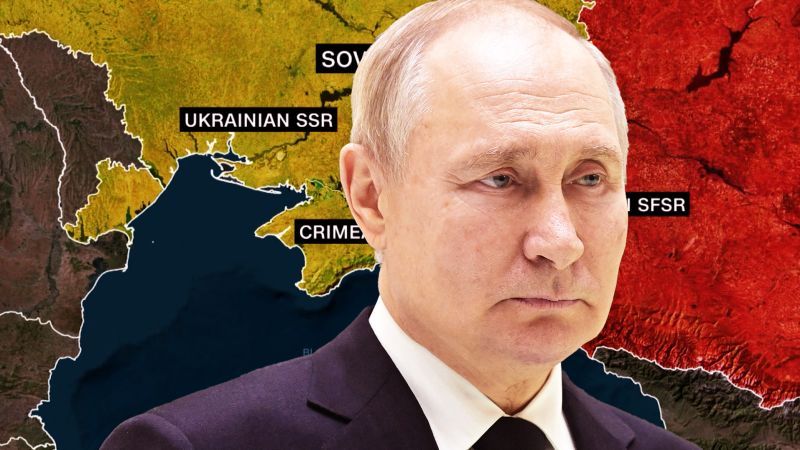
Ukraine-Russia War Latest: The Ukraine-Russia conflict, characterized by a series of critical events, traces its origins back to the annexation of Crimea in 2014. This significant geopolitical maneuver followed Ukraine’s Euromaidan protests, which culminated in the ousting of former President Viktor Yanukovych. The shift towards a pro-European government alarmed Moscow, prompting it to intervene in Crimea. Russia’s quick military action was significantly noted as it led to the region’s controversial annexation, a move which was widely condemned by the international community.
The annexation was quickly followed by a severe escalation of hostilities in Eastern Ukraine, particularly in the Donetsk and Luhansk regions. Pro-Russian separatists, allegedly supported by Moscow, declared independence from Ukraine, resulting in a protracted conflict that has claimed thousands of lives and displaced many more. The situation escalated into a full-fledged war, with Ukraine seeking to regain control over its territory while Russia continued to exert influence over the separatist movements.
In the years that followed, various ceasefires and peace agreements were attempted, yet they largely failed to achieve lasting stability. Tensions persisted as both sides accused one another of breaches of agreements, painting a grim picture for diplomatic dialogues. Recent developments have further strained relations, particularly with Russia’s renewed military capabilities and activities along its borders with Ukraine. These maneuvers signal a significant escalation that has prompted discussions surrounding global security and the West’s response. In recent times, Putin’s military strategies have dramatically shifted focus towards targeting Ukraine’s energy infrastructure, drawing accusations of ‘nuclear terrorism’ from international observers. Understanding this history provides essential context for the ongoing conflict and the potential implications of current events.
Overview of Attacks on Energy Infrastructure
Ukraine-Russia War Latest: The ongoing conflict between Ukraine and Russia has escalated in severity, notably marked by a series of recent attacks on Ukraine’s energy grid. These assaults have been characterized by targeted bombings of power plants and related infrastructure, aiming to cripple Ukraine’s ability to maintain an adequate electricity supply. Russian forces have systematically targeted various key installations, resulting in devastating consequences for the country’s energy framework.
The scale of these attacks has been significant, with reports indicating multiple strikes on critical power facilities that serve as the backbone for electricity distribution across Ukraine. The damage inflicted has not only incapacitated specific power plants but has also led to widespread outages, impacting millions of civilians. With winter approaching, the necessity of a reliable power supply is particularly acute, making these assaults increasingly perilous. In addition to the immediate effects of power loss, these attacks have created a broader humanitarian crisis, as heat access, clean water supply, and essential health services become compromised.
In light of these developments, the targeting of energy infrastructure by Russian forces has been condemned internationally as a form of ‘nuclear terrorism’. The critical need for an urgent response to ensure the safety and security of Ukrainian civilians has never been more pressing.
International Response and Condemnation
Ukraine-Russia War Latest: The recent attacks on Ukraine’s energy grid by Russian forces have provoked a swift and vehement reaction from the international community. Described by some officials as an act of “nuclear terrorism,” this terminology reflects the severity with which these assaults are viewed. World leaders and various human rights organizations have condemned these maneuvers, characterizing them as egregious violations of human rights and humanitarian norms. Such rhetoric underscores the existential concerns that arise when civilian infrastructure is targeted during armed conflicts.
Countries across the globe have issued statements denouncing the use of energy resources as weapons of war, emphasizing the critical need to protect civilians and maintain access to essential services such as electricity and heating. The brutality of these actions has prompted a reevaluation of international diplomatic strategies, as nations consider imposing new sanctions on Russia. Financial restrictions and trade embargoes are being discussed as potential measures to hold those responsible accountable for their actions, with the aim of curtailing the ongoing aggression against Ukraine.
Ukraine-Russia War Latest: International organizations, including the United Nations and the European Union, are also stepping up efforts to mobilize global opinion against these attacks. High-level discussions are underway to address not only the immediate humanitarian crisis resulting from these assaults but also the broader implications for international peace and security. Human rights advocates have called for an urgent response, warning that failure to act might embolden further aggressive measures by Russia. As the situation evolves, the role of the international community in advocating for accountability and supporting Ukraine remains paramount. The urgency of the moment has galvanized nations to band together in defense of fundamental human rights and the principle of protecting civilian life in times of conflict.
Implications for the Future of Ukraine-Russia Relations
Ukraine-Russia War Latest: The ongoing Ukraine-Russia conflict has dramatically altered the dynamics of their bilateral relations, particularly in light of recent attacks on Ukraine’s energy infrastructure. As Russia employs tactics that have been denounced by many—including allegations of ‘nuclear terrorism’—the implications for future interactions between these two nations are profound and multifaceted.
First and foremost, these aggressive maneuvers are likely to undermine any prospects for peace negotiations. The destruction of vital energy supplies not only affects the immediate humanitarian situation but also sends a clear message of hostility that complicates dialogue avenues. If Russia continues its current strategy, Ukraine may adopt a more hardline approach, diminishing the likelihood of reaching an amicable settlement. International mediators, who might previously have had the capacity to influence negotiations, may find their roles significantly constrained in the face of such escalatory tactics.
Moreover, the attacks have profound implications for military responses. Ukraine is now compelled to not only defend its territory but also safeguard its critical infrastructure. Increased military cooperation with Western allies can be anticipated, along with more robust defensive operations to enhance energy security. Conversely, Russia may escalate its own military actions, instigating an arms race that could destabilize the region further.
Ukraine-Russia War Latest: Public opinion within both countries is another crucial factor that will shape future relations. In Ukraine, the resolve to resist aggression may strengthen, bolstered by shared experiences during these turbulent times. Conversely, in Russia, state narratives may begin to face scrutiny as citizens grapple with the realities of sustained military engagement.
Furthermore, regional stability is at stake. The energy crisis prompted by these attacks not only impacts Ukraine but also raises alarm for neighboring countries that rely on the same energy resources. Future efforts to rebuild Ukraine’s infrastructure will require not only domestic commitment but also international support, which could redefine Europe’s political landscape and influence its energy policies. Ukraine-Russia War Latest: