The Growing Divide:
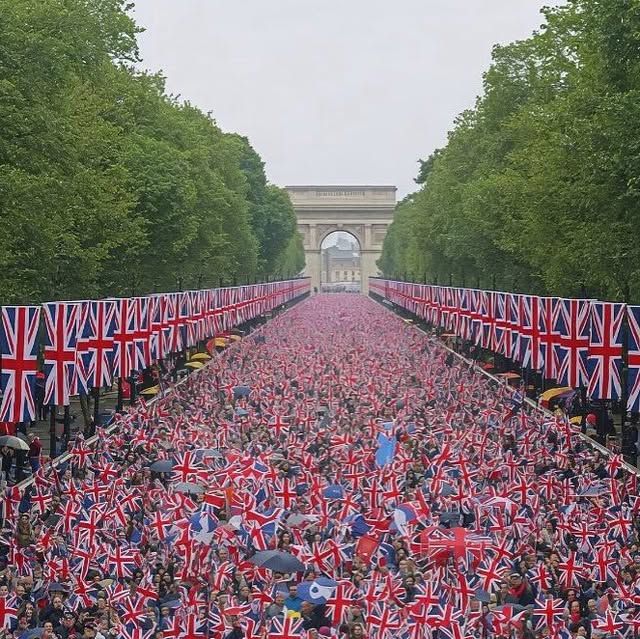
The Growing Divide: The term “culture wars” refers to the conflicts and divisions in society over cultural issues, values, and beliefs. In the context of the United Kingdom, these wars have increasingly surfaced as various groups contest their identities and cultural significance. This phenomenon can be traced back through a rich historical backdrop, where debates surrounding class, race, and gender have long played a role in shaping societal perspectives. However, recent developments, particularly concerning Brexit, have amplified these divisions, making culture wars more pertinent than ever in contemporary British discourse.
Brexit, the United Kingdom’s decision to leave the European Union, has acted as a catalyst for many of the cultural conflicts currently observed. It not only highlighted but also deepened pre-existing divides over issues such as nationalism, immigration, and economic disparity. For some, Brexit represented a reclaiming of national identity and sovereignty, while for others, it exemplified exclusionary practices that threaten multiculturalism and social cohesion.
Additionally, identity politics has played an instrumental role in the UK’s culture wars. The rise of various social movements advocating for the rights of marginalized groups has sparked intense debate about representation, responsibility, and the extent of cultural change. These movements, including those linked to racial equality and LGBTQ+ rights, have brought to the forefront discussions about British identity and the values that underpin it.
The Growing Divide: The influence of social media cannot be overlooked, as platforms serve as both battlegrounds and amplifiers of these cultural narratives. With the rise of echo chambers and misinformation, social media has enabled the rapid spread of polarizing ideas, further entrenching divisions within society. Following a recent study, the findings reveal a stark polarization among citizens, emphasizing the urgent need for continued dialogue on these critical issues. The subsequent sections will explore the multifaceted nature of culture wars in the UK, delving deeper into key themes of identity, representation, and the overall impact on society.
Key Factors Contributing to the Division
The Growing Divide: The escalating culture wars in the UK can be attributed to several interrelated factors that contribute to a growing sense of division within society. One of the most significant influences is political rhetoric. In recent years, political leaders and parties have increasingly employed divisive language to mobilize their bases, often framing debates in terms of us versus them. This approach not only exacerbates existing tensions but also strengthens identities around cultural issues, leading to greater polarization among the populace. For instance, discussions surrounding immigration and national identity have been utilized by various political figures to galvanize support while simultaneously marginalizing opposing viewpoints.
Media representation is another critical factor in this increasing polarization. News outlets and social media platforms often promote sensational narratives that amplify societal divisions. Coverage of cultural topics, including LGBTQ+ rights and racial justice, frequently reflects biased perspectives that can distort public understanding and foster hostility between differing groups. Statistics show that individuals who consume media with a particular ideological slant are more likely to perceive societal issues through a polarized lens, which reinforces existing beliefs and diminishes empathy for alternative viewpoints.
Grassroots movements also play a substantial role in driving division. The emergence of various activist groups, such as Black Lives Matter and campaigns advocating for gender equality, has brought attention to essential social issues. However, their presence has also led to reactions from counter-movements that seek to preserve traditional values, further entrenching divisions within the society. The resulting confrontations between these opposing factions often dominate public discourse, creating an atmosphere of hostility where compromise becomes increasingly difficult. Collectively, these factors contribute to the escalating culture wars in the UK, impacting social cohesion and the overall health of civil discourse.
Impact of Culture Wars on Society
The Growing Divide: The ongoing culture wars in the UK have profoundly influenced various facets of society, leading to rising tensions that are reshaping community dynamics, political participation, and individual mental health. As differing cultural values increasingly clash, the ramifications extend beyond abstract debates, manifesting in everyday interactions and relationships among citizens.
One significant consequence of these culture wars is the deterioration of community relationships. As individuals align themselves with polarized viewpoints, the fabric of local societies is strained, hindering constructive dialogue. Incidents characterized by hostility and misunderstanding have become more common, often undermining long-standing friendships and neighborly connections. Case studies from cities like Bristol and Liverpool illustrate how divisive cultural issues provoke contention, pushing community members into echo chambers that further entrench division. Such environments inhibit collective problem-solving and compromise, which are essential for cohesive communities.
Furthermore, political engagement has shifted dramatically as a result of these cultural disputes. Citizens may feel compelled to take sides, thus fostering an adversarial atmosphere that discourages collaboration. The growing focus on identity politics has led to the rise of political groups that capitalize on cultural grievances, effectively reshaping electoral landscapes. Many individuals now perceive politics less as a platform for governance and more as a battleground for cultural ideals, resulting in increased polarization and less willingness to engage with opposing views.
The mental health of the population is also a critical concern tied to the ongoing culture wars. Reports indicate rising levels of anxiety and depression fueled by constant exposure to conflict-driven media narratives and social media interactions. Testimonials reveal that individuals—especially those belonging to marginalized communities—often experience heightened feelings of isolation and alienation, contributing to a broader mental health crisis. Addressing these impacts requires a concerted effort to foster environments that promote understanding and empathy, supporting individuals amid escalating tensions.
Paths Towards Reconciliation and Unity
The Growing Divide: The escalating culture wars in the UK have prompted many to seek solutions that address the growing divisions within society. To pave the way for reconciliation and unity, both governmental and grassroots initiatives must be implemented effectively. A multifaceted approach that incorporates dialogue, understanding, and a commitment to inclusivity stands paramount in overcoming these divides.
One vital aspect of this reconciliation process is fostering open dialogue among differing groups. Community forums and town hall meetings can facilitate discussions that allow individuals to express their views while also listening to opposing perspectives. Such initiatives help normalize the act of conversation, enabling people to engage with one another civilly. British society would benefit greatly from programs that encourage these discussions, particularly in areas where polarization is most pronounced.
The role of education is equally crucial in bridging the divide. Curricula that emphasize media literacy and critical thinking skills can equip students to navigate misinformation and various narratives. By promoting understanding and empathy at an early age, educational institutions can cultivate a more informed citizenry, prepared to engage constructively. Schools can also promote inclusive practices that celebrate diversity and foster a sense of belonging among all students, regardless of their backgrounds.
The Growing Divide: Community-building activities also present a powerful avenue for promoting unity. Events that celebrate local culture, history, and the arts can foster connections among residents. These initiatives not only create opportunities for collaboration but also help to dismantle stereotypes by highlighting shared experiences and interests. Grassroots movements that advocate for inclusivity and understanding can galvanize individuals, creating networks of support capable of countering divisive rhetoric.
In conclusion, while the culture wars may highlight the UK’s divisions, they also present a unique opportunity for growth and understanding. By engaging in open dialogue, prioritizing education, and nurturing community ties, the path towards reconciliation and unity can be forged, ultimately leading to a more cohesive society.