Starmer’s Push for Long-Range Missiles The conflict in Ukraine has deep historical roots that date back to the dissolution of the Soviet Union in 1991. Following Ukraine’s independence, tensions began to surface, primarily due to its strategic location between Russia and Western Europe. In 2014, these tensions escalated dramatically when Russia annexed Crimea, leading to widespread condemnation from the international community. This pivotal moment ignited an ongoing conflict in the Donbas region, where Russian-backed separatists declared independence from Ukraine, prompting a series of military confrontations.
The key players in the conflict are primarily Ukraine and Russia, with other countries and regional organizations, including NATO and the European Union, playing significant roles through diplomatic and military means. Ukraine seeks to maintain its territorial integrity and sovereignty, while Russia aims to exert influence over Ukraine and counter NATO’s eastward expansion. Over the years, the conflict has seen various escalations and ceasefires, the latter often proving fragile.
International responses to the conflict have included sanctions against Russia, aimed at crippling its economy and curtailing its ability to sustain military operations. Such sanctions have had varying degrees of effectiveness, with significant impacts on Russia’s financial and energy sectors. In parallel, Ukraine has received military aid from several Western nations, including lethal and non-lethal assistance, bolstering its defense capabilities against ongoing aggression.
The growing appeal for advanced military support, particularly long-range missiles, is indicative of the evolving nature of the conflict. As the war continues, the procurement of sophisticated weaponry has become a focal point in strategic discussions, underscoring the need for Ukraine to enhance its counteroffensive capabilities against a more robust Russian military presence. Analyzing the historical and current dynamics of this conflict sets the stage for understanding the critical implications of military support during significant gatherings such as the London Summit.
Starmer’s Position and Objectives
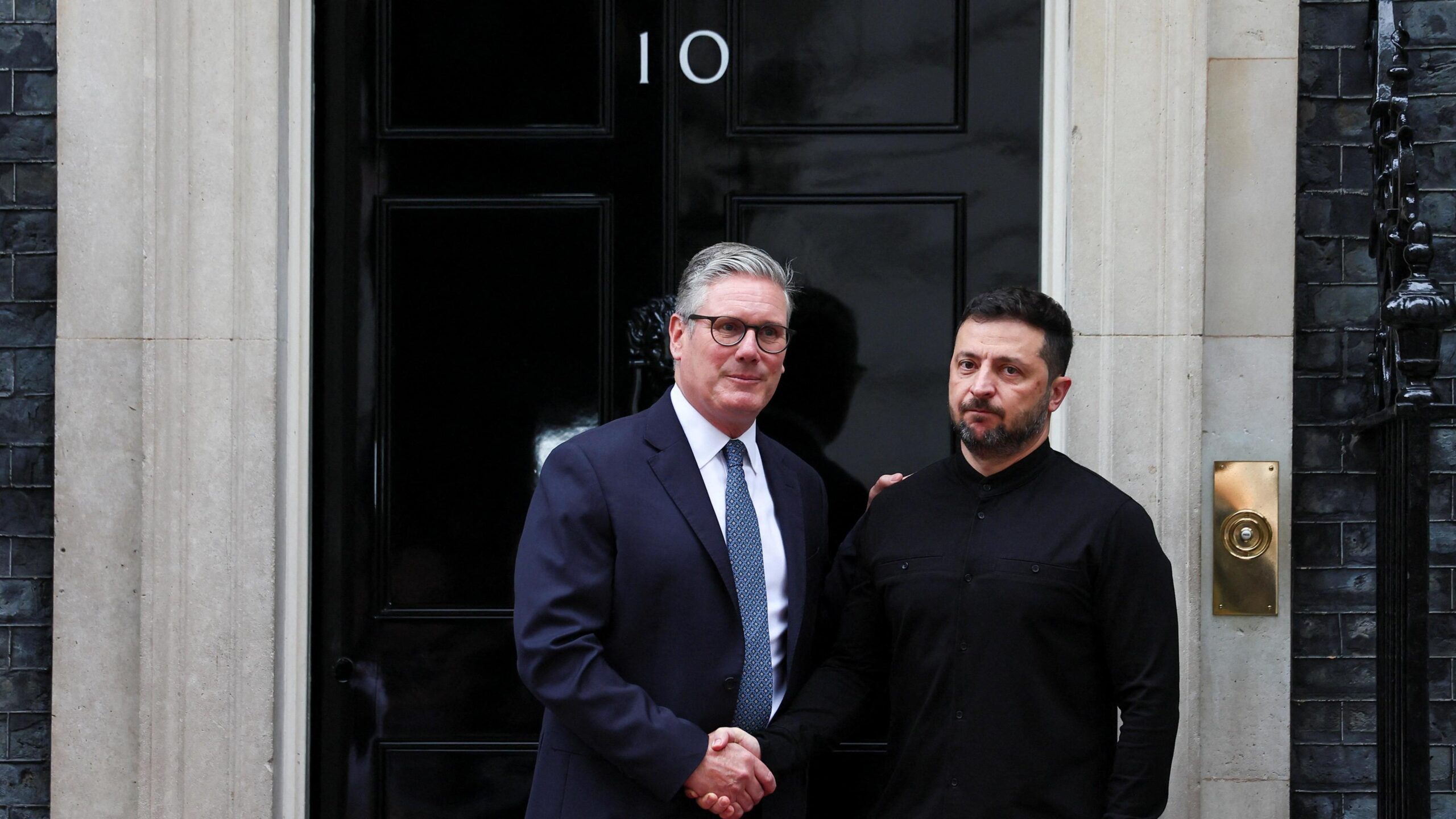
Labour leader Keir Starmer has taken a robust stance concerning the ongoing conflict in Ukraine, emphasizing the necessity of enhanced military support to ensure Ukraine’s sovereignty and territorial integrity. His advocacy for long-range missile support arises from a paramount belief that such capabilities will significantly bolster Ukraine’s defense against aggression, thereby fostering a more secure and stable European environment. Starmer’s position reflects a deep recognition of the evolving geopolitical landscape and the pressing need for decisive action among Western allies.
At the upcoming London summit, Starmer’s objectives extend beyond mere military provision. He aims to strengthen alliances with fellow NATO members and European partners, reiterating the importance of a united front in the face of Russian aggression. By advocating for long-range missiles, Starmer seeks to demonstrate the UK’s commitment to collective defense and maintain momentum in international support for Ukraine. His approach underscores a broader strategic vision, where the provision of advanced weaponry is seen not only as a tactical necessity but also a symbol of solidarity with the Ukrainian people.
However, Starmer’s push for long-range missiles is not without its challenges. Garnering support from allies, particularly those hesitant about escalating military engagement, poses a significant concern. Many nations may fear that increasing military assistance could provoke further retaliation from Russia, thus escalating the conflict rather than alleviating it. Additionally, Starmer must navigate domestic political dynamics, ensuring that his proposals resonate with the electorate and command parliamentary backing. Balancing these interests while maintaining a cohesive stance on Ukraine will be pivotal in shaping the outcome of discussions at the London summit.
The Strategic Importance of Long-Range Missiles
The conflict in Ukraine has highlighted the critical role military technology plays in modern warfare, particularly in the use of long-range missiles. These advanced systems provide strategic advantages that can significantly alter battlefield dynamics and overall military capabilities. With the ongoing tension between Ukraine and Russia, the introduction of long-range missiles could enhance Ukraine’s ability to strike deeper into enemy territory, thereby disrupting supply lines and command structures. This capability becomes particularly vital as Ukraine seeks to counter the entrenched positions of Russian forces and respond to aggressive tactics that threaten its sovereignty.
Starmer’s Push for Long-Range Missiles Military experts argue that long-range missiles can serve not only as a deterrent against future aggression but also as a means to regain contested territories. The ability to engage targets at greater distances shifts the operational paradigm, allowing for preemptive strikes that can incapacitate or defer the enemy’s offensive capabilities. In this context, long-range missile systems could potentially diminish the effectiveness of Russia’s military strategy, forcing a recalibration of its approach in the region. The presence of such weaponry may also lead to increased pressure on Russia to reconsider its actions, knowing that Ukrainian forces possess the means to respond effectively from afar.
Furthermore, in the broader geopolitical landscape, providing long-range missile capabilities to Ukraine signals a robust commitment from Western allies to support the nation against external threats. It is indicative of a strategic pivot, reinforcing the message that violations of territorial integrity will meet significant resistance and potentially alter the balance of power in Eastern Europe. As discussions about the provision of these weapons continue, the implications for Ukraine’s defense strategy are profound, highlighting the necessity of advanced military technologies in modern conflicts.
Reactions and Implications for Future Alliances
Starmer’s Push for Long-Range Missiles The announcement by Keir Starmer advocating for long-range missile support for Ukraine during the recent London Summit has elicited a varied response from the international community. Many Western allies have expressed cautious optimism regarding the proposal, recognizing the potential benefits of enhanced military capabilities for Ukraine in its ongoing conflict. Notably, countries such as Poland and the Baltic states have vocally supported this initiative, emphasizing the imperative of bolstering Ukraine’s defenses against external aggression.
Starmer’s Push for Long-Range Missiles However, dissenting opinions also surfaced, particularly from nations that prioritize diplomatic solutions over military escalation. Some allies have raised concerns about the risks associated with providing long-range missile support, including the potential for escalating tensions with Russia and provoking retaliation. This divergence in perspectives highlights the complexities involved in forming a unified stance among NATO allies. The challenge lies in balancing the necessity for military assistance with the overarching goal of maintaining regional stability.
The discussions at the summit suggest a nuanced pathway toward achieving consensus on the proposed long-range missile support. While there is a shared commitment to collective defense among NATO members, the differing approaches to military support could strain relationships if not managed carefully. As countries evaluate their positions, considerations regarding national security interests and alliances will play a significant role in shaping future collaborations.
Starmer’s Push for Long-Range Missiles Furthermore, Starmer’s emphasis on this military assistance reflects a commitment to collective action that may influence NATO’s strategic framework. The implications extend beyond bilateral relations, potentially reinforcing NATO’s resolve in its defense commitments. As Western allies navigate the complexities of their support for Ukraine, the outcomes of these deliberations will likely have lasting effects on the integrity and unity of the alliance in facing common security challenges.