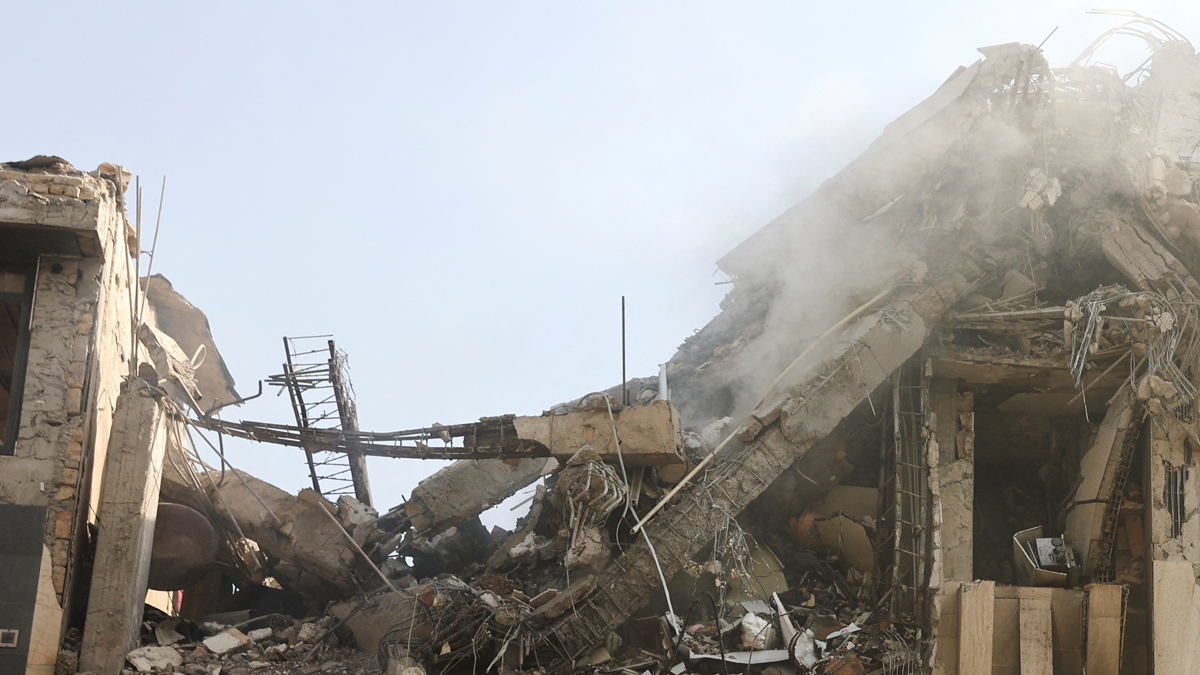
Opens Land Borders : The geopolitical landscape in the Middle East, particularly in Iran, has been characterized by volatility, marked by recent escalations in conflicts and heightened tensions. These developments have significantly impacted the safety and security of foreign nationals, including Indian students who are pursuing their education in the country. Over the past several months, escalating tensions surrounding regional conflicts have led to concerns over the stability of the Iranian government and potential miscalculations from neighboring states, contributing to an environment of uncertainty.

The ongoing strife in the region is exacerbated by historical grievances and political rivalries that have long shaped Iran’s relationships with its neighbors and with major powers across the globe. In particular, tensions surrounding Iran’s nuclear program have drawn international scrutiny and led to sanctions that have further strained the country’s economic conditions. This precarious environment has adversely affected the daily lives of individuals, particularly students who may be caught in the crossfire of any emerging crises.
India’s Diplomatic Efforts : Opens Land Borders
The recent crisis in Iran has prompted the Indian government to take swift and decisive action to ensure the safety of its students residing in the country. Recognizing the urgency of the situation, Indian authorities have engaged in extensive diplomatic communications with their Iranian counterparts. High-level discussions have focused on the logistics of safely evacuating Indian students, addressing the challenges posed by the evolving situation on the ground. The Indian Ministry of External Affairs has been at the forefront of these efforts, working tirelessly to coordinate the evacuation process.
Central to these diplomatic endeavors has been the Indian embassy in Tehran, which has played a pivotal role in facilitating the safe return of students. The embassy has been active in issuing advisories and providing timely information to students and their families, ensuring they are aware of the evacuation plans and safety protocols in place. Furthermore, Indian officials have conducted consultations with Iranian officials to streamline the exit process and address any logistical hurdles that may arise during evacuation.
Logistical challenges have indeed been significant, given the complexities of the crisis. Transportation options have been limited, and security concerns necessitate careful planning to protect students during transit. As a response to these challenges, the Indian government has explored various modes of transport, including chartered flights and bus services, which have been arranged to facilitate a smooth evacuation. Through continuous engagement with Iranian authorities, the Indian government aims to ensure that students can leave Iran safely and return to their home country without undue delay or risk.
Overall, the proactive stance taken by the Indian government underscores its commitment to the welfare of its citizens abroad, particularly in times of crisis. These diplomatic efforts reflect a comprehensive approach to safeguarding the lives of Indian students in Iran while navigating the intricate dynamics of international relations.
The Role of Iran in the Evacuation Process
The recent decision by Iran to open its land borders for the evacuation of Indian students amid ongoing crises signifies a pivotal moment in international relations, particularly between India and Iran. The Iranian government, recognizing the urgency of the situation, responded promptly to India’s request, illustrating its willingness to assist in times of need. This initiative not only reflects humanitarian considerations but also highlights Iran’s strategic diplomatic approach towards nurturing ties with India, especially in a context where global dynamics are continually shifting.
In collaboration with Indian officials, the Iranian authorities have worked diligently to establish mechanisms that facilitate the safe transit of students. Numerous meetings have underscored the importance of cooperation, with diplomats from both nations discussing logistics and security measures necessary for a seamless evacuation process. These arrangements include ensuring that students can cross the border with minimal delays, safeguarding their well-being during transit, and providing necessary support while they navigate through this critical period.
This proactive gesture by Iran is expected to positively influence India-Iran relations in the future. By extending assistance, Iran not only demonstrates its commitment to regional stability but also its readiness to foster stronger bilateral ties with India. Historical ties between the two nations have often been marred by geopolitical tensions; however, this current cooperation might pave the way for improved diplomatic exchanges and economic collaboration. Iran’s involvement in this evacuation process serves as a reaffirmation of its role as a key partner in the region, potentially leading to a more solid and mutually beneficial relationship moving forward.
Challenges and Experiences of Evacuating Students
The evacuation of Indian students from Iran amid the ongoing crisis has been fraught with numerous challenges that have profoundly affected their experiences. Many students reported feeling a sense of uncertainty and fear as they navigated an increasingly volatile situation. As tensions escalated, accessing basic necessities became increasingly difficult. Students often found themselves in overcrowded accommodations, grappling with shortages of food and essential supplies. This situation heightened their anxiety, particularly given the lack of communication and support from local authorities.
The logistical aspects of crossing the borders posed significant hurdles for the students. Reports indicated that long queues at border crossings added to the anxiety, with some individuals waiting for hours in uncertain conditions. Many students had to keep their documentation in order, which sometimes proved difficult amid the chaos. The fear of missing out on evacuation flights or not being allowed to cross the border added to the emotional strain felt by students and their families. Each student’s story highlighted a unique journey filled with obstacles, mirrored by the emotional toll of being away from home during such trying times.
Moreover, the emotional aspects of the return journey were considerable. For many, leaving behind friends and experiences in a foreign country that had become their second home was heart-wrenching. Students expressed feelings of nostalgia and anxiety about what awaited them in India and the challenges of reintegrating into their academic lives after a prolonged absence. Family members also experienced immense worry, as uncertain situations often left them unable to contact their loved ones. Ultimately, the evacuation process revealed not only logistical challenges but also the poignant emotional struggles faced by students and their families as they sought a safe return home.