Iran’s Bold Response : The longstanding tensions between Iran and Israel trace back to the Islamic Revolution of 1979, which fundamentally altered Iran’s political landscape. The revolution led to the establishment of a theocratic regime that viewed Israel as a major adversary due to its close ties with Western powers, particularly the United States. This ideological conflict has not only remained pronounced but has grown increasingly complex over the years, particularly through regional dynamics and proxy wars.
One of the primary catalysts for escalating hostilities has been Iran’s support for various militant groups, such as Hezbollah in Lebanon and Hamas in Gaza. These groups, often financed and armed by Iran, have engaged in multiple confrontations with Israel, leading to cycles of violence that have intensified the adversarial relationship. Israel, in turn, has taken proactive measures to counteract Iran’s influence in the region, conducting air strikes against Iranian-linked targets in Syria and ongoing military operations to undermine Iran’s capabilities.
Moreover, the geopolitical landscape in the Middle East has further exacerbated these tensions. The civil war in Syria allowed Iran to deepen its military presence, bolstering its logistical support to allied groups threatening Israel. This situation was compounded by the United States’ withdrawal from the Iran nuclear deal in 2018 and its subsequent reimposition of sanctions, which heightened Iran’s regional ambitions and military posturing.
Specific incidents, such as the downing of an Israeli F-16 by Syrian air defenses in 2018 and various cyberattacks attributed to Israeli intelligence against Iranian infrastructure, have illustrated the increasingly confrontational nature of their relationship. The emergence of drone warfare as a tool for both nations has revolutionized the battlefield, enabling both side’s capabilities to strike at distance with precision. As these historical tensions unfold, they set the stage for escalations such as Khamenei’s recent warning, signaling a potential shift in the already precarious balance of power in the region.
Khamenei’s Warning: Implications and Rhetoric
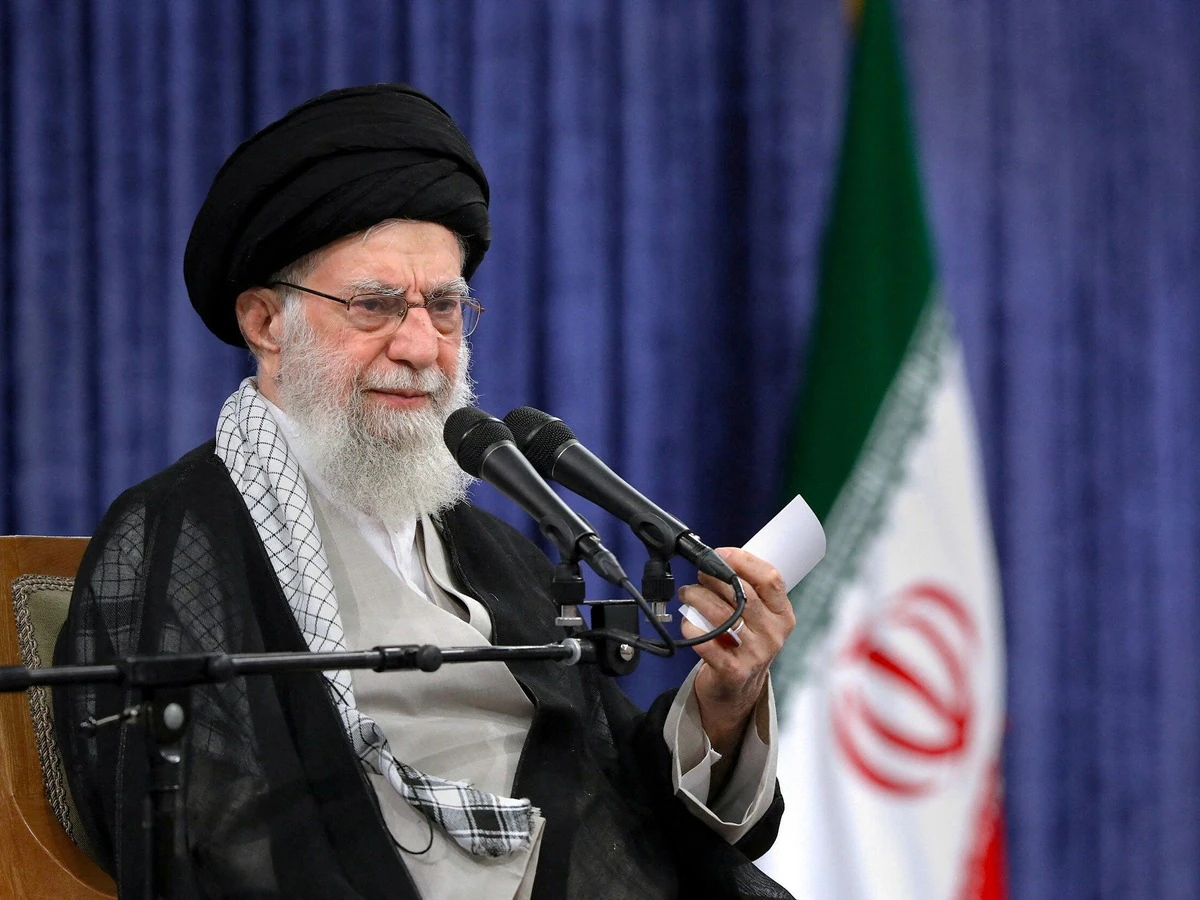
Ayatollah Ali Khamenei, the Supreme Leader of Iran, has recently made significant statements directed towards Israel, which signal a deeper escalation of tensions in the region. During a series of public speeches, Khamenei issued stern warnings regarding Israel’s military actions in the Middle East. His rhetoric emphasizes a firm stance against what he perceives as aggression, framing Israel as a primary adversary in the ongoing geopolitical conflict. This vocalization not only reflects Iran’s commitment to opposing Israeli influence but also serves to mobilize domestic support by unifying public sentiment against a common enemy.
In his statements, Khamenei articulated the existential threats posed by Israel, describing the nation’s military maneuvers as provocative and detrimental to regional peace. He highlighted the repercussions of such actions for Iran and its allies, thereby reinforcing a narrative of resilience and deterrence. The implications of his warnings are profound; they indicate a potential for increased military readiness within Iran and suggest a willingness to engage in confrontational tactics if provoked further. This escalation of rhetoric between Iran and Israel is not merely a display of bravado but is anchored in a broader strategy that seeks to assert Iran’s influence in the Persian Gulf and beyond.
The resulting friction raises critical questions regarding regional stability. The verbal conflict could prompt reactions from various stakeholders, including neighboring states and global powers engaged in diplomatic endeavors to mediate tensions. As Khamenei’s comments resonate within the wider context of Iran’s foreign policy, the possibility of a military response underscores the volatility of the situation. The interplay between rhetorical escalation and actual military capabilities indicates that further dialogue is essential to prevent a miscalculation that could lead to conflict. This admonition by Khamenei thus represents not only a challenge to Israel but also a call to vigilance for the international community regarding the stability of Middle Eastern affairs.
Details of the Drone Response
In the wake of Supreme Leader Ayatollah Ali Khamenei’s stern warning to Israel, Iran executed a significant military operation characterized by the launch of 100 drones. This strategic maneuver, publicly articulated by Iranian military officials, serves multiple purposes, including demonstrating Iran’s technological advancements in unmanned aerial vehicles (UAVs) and reinforcing its commitment to national defense in the face of perceived external threats.
The drone operation primarily utilized two types of UAVs: the Shahed-136 and the Mohajer-6. The Shahed-136 is known for its loitering munitions capability, allowing it to engage targets with precision strikes. On the other hand, the Mohajer-6 is acknowledged for its reconnaissance and intelligence-gathering functions, which enhance Iran’s situational awareness and ability to conduct surveillance over strategic locations within the region. This diverse deployment of drones emphasizes Iran’s multi-faceted military strategy, leveraging both offensive and defensive capabilities.
Publicly stated objectives of the operation included enhancing deterrence against external adversaries and affirming Iran’s readiness to respond to any acts of aggression. Iranian military officials emphasized that the operation was not merely a show of force but a critical step toward solidifying their regional influence and asserting their position against Israeli actions that threaten Iranian sovereignty and security.
In terms of capabilities, these drones have been perceived as a significant threat by Israel and other actors in the region. The technological advancements in drone warfare have shifted the dynamics of conflict, making it imperative for neighboring states to assess and respond to these developments. As Israel strengthens its defense systems, the efficacy of Iran’s drone operations will likely continue to influence regional military strategies and diplomatic relations moving forward.
Global Reactions and Future Outlook
The recent launch of 100 drones by Iran, following Ayatollah Ali Khamenei’s stern warnings directed at Israel, has elicited a complex range of responses from the international community. Major powers have voiced their concerns and interpretations of this provocative action, which may significantly alter the balance of power and dynamics within the Middle East. The United States, for instance, remains wary of Iran’s military advancements, perceiving the drone strike as a direct threat not only to Israel but also to regional allies. Washington has reiterated the need for a comprehensive approach to curb Iran’s influence, emphasizing its commitment to Israel’s security.
Conversely, Russia has adopted a more nuanced stance. The Kremlin has historically maintained an alliance with Iran, viewing the drone launch through a geopolitical lens that favors multipolarity in the region. Moscow’s position indicates a possible divergence from Western narratives, as it seeks to preserve its relationships in the Middle East. Similarly, European nations exhibit a mix of apprehension and diplomatic caution. While expressing solidarity with Israel, they recognize the necessity for dialogue and negotiation to prevent an escalation that could lead to broader military conflict.
Looking ahead, the ramifications of this drone strike may extend beyond immediate military considerations. A potential cycle of retaliation between Iran and Israel could deepen tensions, complicating efforts for peace and stability. Alternatively, the international community may leverage this juncture to foster renewed negotiations, focusing on arms control and regional security pacts. Moreover, shifts in alliances could emerge, particularly as Middle Eastern nations recalibrate their strategies in response to Iran’s bold actions and the subsequent international reactions. The evolving landscape of Middle Eastern geopolitics is witnessing critical junctures that could define future interactions among nations, pivoting toward either further conflict or avenues for peaceful resolution.