The ongoing conflict between Iran and Israel represents a complex tapestry of historical grievances, geopolitical maneuvering, and military confrontations. Recent escalation in hostility has seen Israel intensifying its military actions against Iranian targets, which it claims are vital to its security. In the past weeks, a series of airstrikes conducted by Israeli forces have targeted Iranian positions in Syria and even extended to sites within Iran. These aggressive actions have created heightened tensions and have significantly altered the strategic landscape in the region.
The backdrop to these confrontations can be traced to long-standing animosities stemming from ideological differences and territorial disputes between the two nations. Iran, a key player in the Middle East, has consistently supported groups opposing Israeli interests, such as Hezbollah in Lebanon and various Palestinian factions. Conversely, Israel views Iran’s nuclear ambitions and its involvement in regional conflicts as a direct threat, prompting a range of defensive measures. This precarious environment has also attracted the attention of global powers, contributing to a multifaceted geopolitical context.
On the diplomatic front, efforts for a truce have been met with resistance, notably from Iran, which officially rejected any talks aimed at ceasing hostilities. The Iranian leadership cites the ongoing military strikes and perceived aggressions from Israel as significant roadblocks to negotiations. As a result, the situation remains volatile, with both nations prepared for further military confrontations. In light of these developments, it becomes increasingly difficult to envision a path to de-escalation. The international community is closely monitoring the situation, which carries implications not only for the nations involved but also for global stability and security.
Iran’s Stance on Truce Talks
Iran’s rejection of truce talks proposed by various international stakeholders reflects a complex interplay of political motivations and security concerns. The Iranian government perceives these discussions as potentially undermining its sovereignty and national interests, especially during a period of increased military actions targeting its infrastructure and regional allies. The ruling authority in Tehran maintains that negotiations should not occur under duress or external pressure, which they argue could result in unfavorable concessions.
In addition to these concerns, the Iranian leadership is wary of the implications such negotiations might have on its domestic standing. The regime frames its narrative around resistance against perceived Western aggression, utilizing rejection of talks as a demonstration of strength and unity among its constituents. This rhetoric is vital for maintaining internal support amidst external pressures, particularly considering the populace’s complex sentiments regarding government legitimacy in the face of military threats.
The geopolitical landscape further influences Iran’s stance on truce discussions. The nation is often positioned as a regional power with significant influence over various militia groups and political factions across the Middle East. Engaging in negotiations might be seen as a sign of weakness, potentially emboldening adversaries and destabilizing its alliances. Thus, Tehran’s refusal to initiate talks also serves to reinforce its posture as a resilient and independent actor in regional politics.
Overall, Iran’s rejection of truce talks not only signifies the government’s immediate response to ongoing military pressures but also underscores broader implications regarding its internal politics and aspirations for regional dominance. The Iranian leadership’s strategy hinges on carefully navigating the balance between external threats and maintaining authority at home, which ultimately shapes its interactions on the international stage.
Military Actions: Israel’s Offensive Strategy
Israel’s military strategy in the ongoing conflict with Iran has increasingly focused on targeted strikes aimed at neutralizing Iranian military capabilities, particularly within Tehran. The Israeli Defense Forces (IDF) have undertaken a series of operations designed to disrupt the capabilities of Iranian proxy groups and prevent the development of advanced weaponry. The objectives behind these strikes are multifaceted; they aim to diminish Iran’s influence in the region, reduce the threat posed by its missile technology, and hinder the operations of allied militias in neighboring countries such as Syria and Lebanon.
The military tactics employed by Israel during these operations have evolved significantly. Israel has utilized precision airstrikes, intelligence-gathering drones, and cyber warfare to achieve its goals effectively. These methods underscore Israel’s commitment to minimizing collateral damage while maximizing operational effectiveness. Reports indicate that by striking high-value targets, the IDF seeks to cripple not only the immediate capabilities of Iranian forces but also to send a strategic message regarding the potential consequences of aggression against Israel.
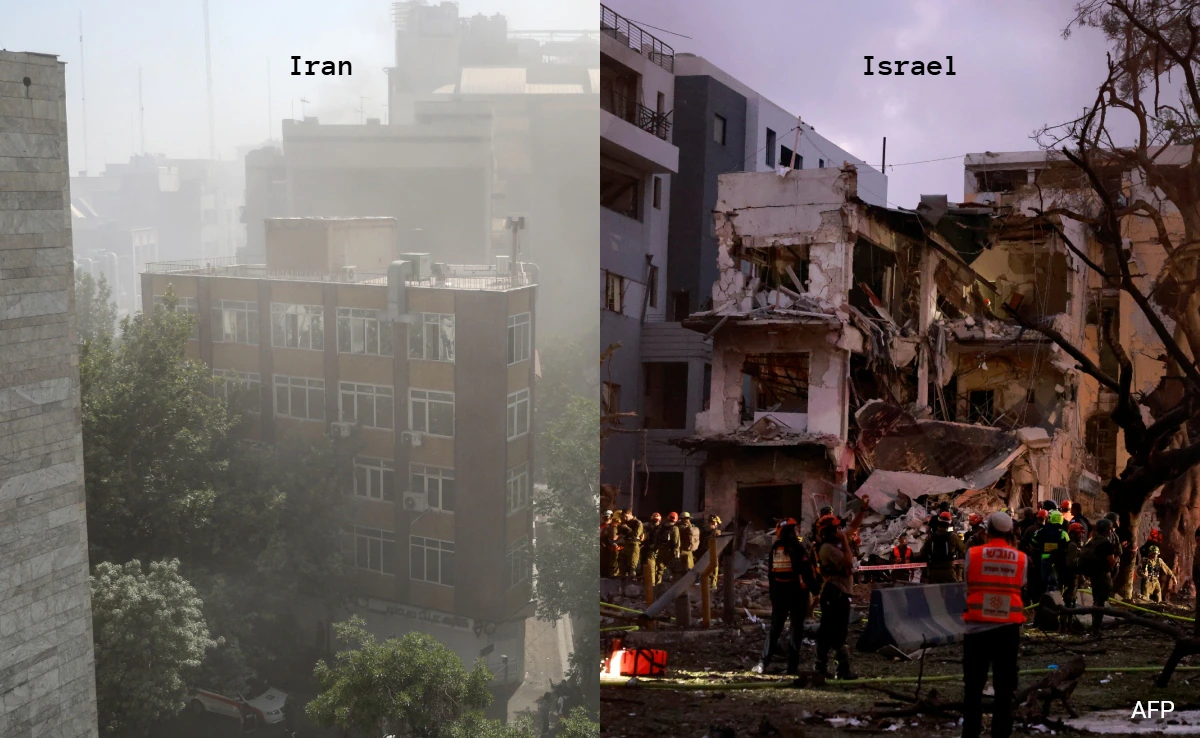
However, such military actions raise humanitarian concerns, especially as civilian areas may inadvertently be affected by the strikes. The collateral damage from Israeli airstrikes can lead to significant civilian casualties, exacerbating an already volatile situation. Furthermore, the destruction of infrastructure in targeted areas can impede humanitarian assistance efforts, thus impacting the local population. The observed damage adds another layer to the complexities of the conflict, as both nations face international scrutiny regarding their military tactics and operational ethics.
The broader implications of Israel’s offensive strategy against Iran are stark, as each military engagement not only serves immediate tactical purposes but also contributes to the ongoing tensions and hostilities between the two nations. With both sides remaining entrenched in their positions, the potential for escalation remains a significant concern for regional stability.
International Reactions and Future Implications
The recent escalation of conflict between Iran and Israel has drawn widespread international attention, prompting varied reactions from major global powers and regional allies. The response of the United States has been particularly noteworthy; Washington has reiterated its support for Israel, emphasizing its right to defend itself against threats. Concurrently, the U.S. has called for restraint and urged all parties to consider the broader implications of their actions, particularly the potential for regional destabilization.
Conversely, Russia has expressed a more tempered stance, advocating for dialogue and negotiations aimed at de-escalating tensions. Moscow’s position is in line with its longstanding support for Iran, fostering a complex relationship influenced by common interests in the region. The Kremlin has emphasized that military actions will only exacerbate the conflict, diverting attention away from diplomatic solutions and potentially leading to a wider confrontation that could involve various state and non-state actors.
Furthermore, responses from regional allies reveal a nuanced landscape. Nations such as Turkey have condemned Israeli operations, framing them as aggressive actions that threaten regional stability. In contrast, Gulf states appear to weigh their responses carefully, balancing their ties with both the U.S. and Iran amidst a changing geopolitical climate. This delicate balancing act speaks to the intricate alliances that characterize Middle Eastern politics, where historical grievances intersect with contemporary strategic interests.
Looking ahead, the potential for escalation remains high if diplomatic efforts do not gain traction. The ongoing military engagement not only influences national governments but also inspires grassroots movements, further complicating the path toward a resolution. Future scenarios could range from intensified military confrontation to renewed diplomatic initiatives, contingent on how key players navigate these tumultuous waters. Ultimately, the international community’s ability to foster constructive dialogue will be critical in shaping the region’s stability in the years to come.