Gaza Residents Flood Streets in Hope The humanitarian crisis in Gaza has reached alarming levels, exacerbated by ongoing conflicts that have heavily impacted the civilian population. The region has witnessed significant casualties, with thousands of innocent lives lost in recent skirmishes and airstrikes. Reports indicate that more than 2,000 individuals have been killed, among whom a notable percentage are women and children, highlighting the tragic human cost of warfare in the area.
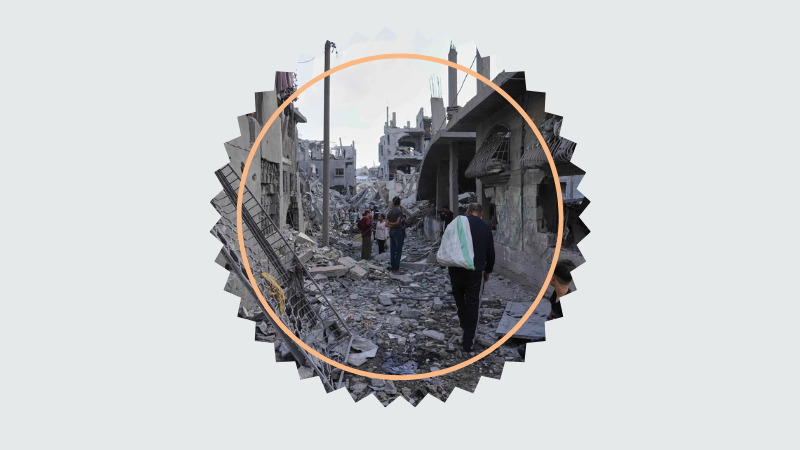
Moreover, the displacement of families remains one of the most critical issues facing the populace. The latest statistics reveal that nearly one million residents have been uprooted from their homes, seeking refuge in overcrowded shelters that lack basic necessities. This forced displacement not only disrupts their lives but also intensifies the challenges they face in accessing essential services.
Gaza Residents Flood Streets Furthermore, the destruction of infrastructure has been devastating, with hospitals, schools, and homes either severely damaged or completely destroyed. The healthcare system, already fragile, has been pushed to the brink, struggling to cope with the influx of patients amid ongoing hostilities. Essential medications are in short supply, and many medical facilities are ill-equipped to provide adequate care, leading to a dire public health crisis.
The psychological effects of prolonged conflict cannot be overlooked either. Many residents suffer from trauma, anxiety, and depression due to the constant threat of violence and insecurity. Children are particularly vulnerable, as their formative years are spent in an environment marked by fear and instability. Additionally, the lack of access to clean water, food, and sanitation compounds the challenges faced by families, raising concerns about malnutrition and disease outbreaks.
Gaza Residents Flood Streets in Hope Understanding these dire circumstances is crucial to comprehend why recent developments have prompted residents to flood the streets in hope. The desire for peace and stability in Gaza has never been more urgent, as residents yearn for a return to normalcy amid the chaos surrounding them.
Recent Developments in the Conflict
The ongoing conflict between Israel and the Palestinian territories has witnessed significant escalations in recent months, leading to heightened tensions and widespread concern among residents. A timeline of key events indicates a gradual intensification of military actions, particularly following incidents that provoked retaliatory strikes. For instance, the rise in hostilities can be traced back to several incidents that occurred during the summer, where provocations on the ground triggered aggressive responses from both Israeli forces and militant groups in Gaza.

Throughout September and October 2023, a series of military operations were launched by Israel in response to rocket fire from Gaza. In these operations, airstrikes targeted what Israel described as military installations, while on the other side, militant groups intensified their rocket attacks in a show of force. Casualties have mounted on both sides, leading to calls for international intervention and immediate ceasefires. Diplomatic efforts from various countries aimed to broker a cessation of hostilities have had mixed results, with temporary ceasefires often unraveling and violence resuming shortly afterward.
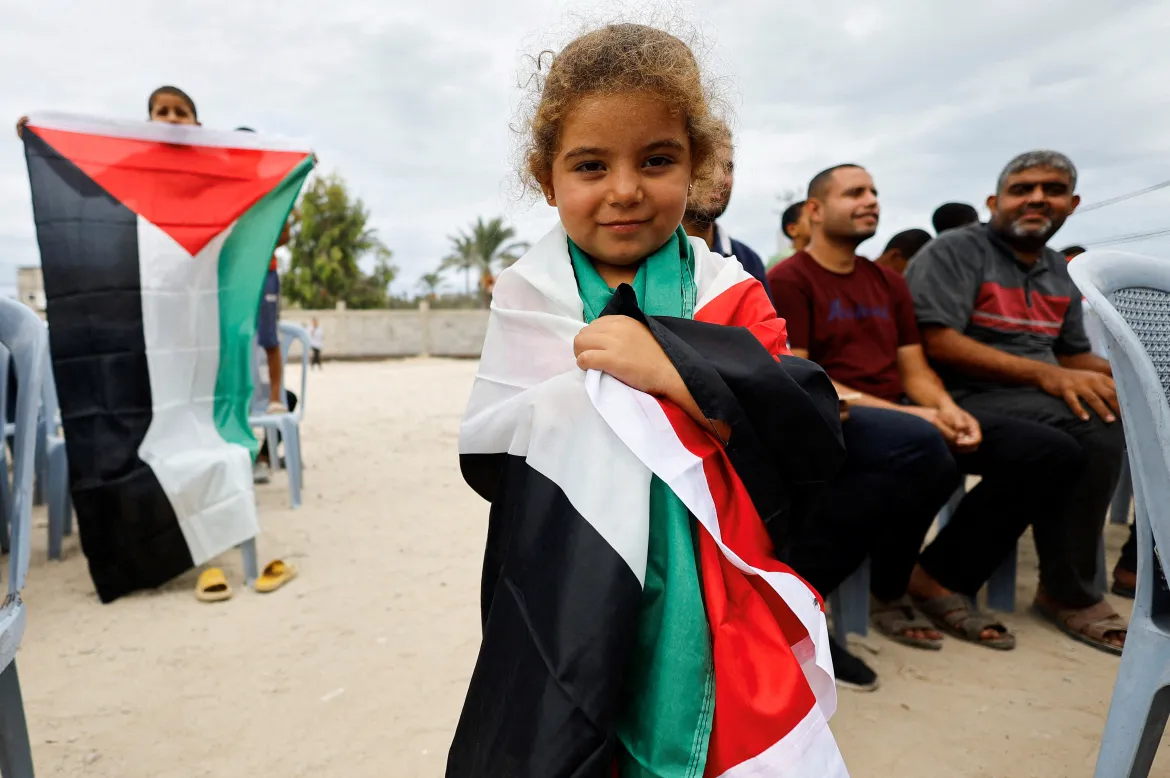
Gaza Residents Flood Streets in Hope Recent developments also suggest a growing impatience among the local population. As the conflict dragged on, hope began to fade, yet a recent shift in dialogue from both parties hinted at a potential resolution. Rumors of negotiations surfaced amid the chaos, prompting Gaza residents to flood the streets, signaling their desire for peace and a return to normality. These demonstrations reflect the complex emotions experienced by many: a glimmer of optimism juxtaposed with the grim realities of ongoing violence. The mixed feelings stem from the uncertainty of whether these developments can lead to genuine change or merely signal another temporary pause in fighting.
Public Sentiment and Responses
The ongoing conflict has fostered a complex emotional landscape among Gaza residents, characterized by a mixture of despair and a resilient hope for peace. In recent weeks, mass gatherings in the streets of Gaza have become a poignant expression of collective sentiment, with thousands coming together to voice their aspirations as they navigate the uncertainties of the war. These gatherings reveal a deep yearning for stability and an end to hostilities, as residents seek solace in unity during these tumultuous times.
Gaza Residents Flood Streets in Hope Many individuals articulate their hopes through personal stories that resonate with a shared desire for peace. One resident, Fatima, a mother of three, shared her feelings, stating, “All we want is to live without fear. Our children deserve a chance to play outside, to be kids without the backdrop of violence.” Such sentiments echo throughout the community, underscoring a universal call for an end to the suffering that has plagued their lives. The emotional toll of the conflict is evident; families are left grappling with loss, while simultaneously clinging to the possibility of a better future.
Gaza Residents Flood Streets in Hop Social media has emerged as a vital platform for residents to express their solidarity and mitigate feelings of isolation. Both local and international audiences are reached through posts that highlight not only the challenges faced but also the resilience of the human spirit. Videos, photographs, and written accounts shared online serve to raise awareness about the plight of Gazans, fostering a sense of global solidarity. This digital storytelling not only empowers individuals but also amplifies their voices in the face of adversity, empowering them to connect with others who share their vision for peace. Overall, the public sentiment in Gaza is marked by a profound yearning for peace, accompanied by both individual hope and collective strength. In conclusion, these expressions of hope amidst despair illustrate the indomitable spirit of the residents who continuously strive for a brighter future.
Global Reactions and Implications
The conflict in Gaza has elicited a wide array of reactions from international governments, humanitarian organizations, and the global public alike. Many nations have expressed their deep concern over the escalating violence and humanitarian crisis faced by residents of Gaza. Some governments have condemned the actions of Israel, calling for an immediate ceasefire and urging both sides to engage in dialogue. Others have demonstrated unwavering support for Israel’s right to defend itself, leading to a polarization of opinions across the geopolitical landscape.
Humanitarian organizations have played a crucial role in raising awareness about the dire situation on the ground. They report alarming statistics regarding displacement, deaths, and the destruction of essential infrastructure. Organizations such as the United Nations and various non-governmental organizations advocate for increased access to aid and relief efforts, emphasizing the urgent need for humanitarian assistance. Activism has surged, with many individuals and groups rallying for peace and justice, using social media platforms to amplify voices from Gaza and highlight the urgent need for global intervention.
The global public’s response has been marked by widespread demonstrations, protests, and online campaigns that call for an end to the suffering in Gaza. These grassroots movements often foster a sense of solidarity among people across different regions, leading to a collective push for action. Furthermore, media coverage plays a pivotal role in shaping public perception, influencing not only how the conflict is understood but also how governments choose to respond. The framing of events in the media can provoke outrage or empathy, affecting the willingness of international actors to engage in peace efforts.
Gaza Residents Flood Streets in Hope In addition to immediate humanitarian concerns, the ongoing conflict has significant implications for international relations. The situation may hinder peace negotiations between Israel and Palestine, complicating efforts toward a two-state solution. As tensions persist, the international community faces challenges in recalibrating its approach to both parties. The conflict’s escalation can further entrench existing divisions, highlighting the crucial need for concerted diplomatic efforts to foster dialogue and reconciliation.