It was a battle that etched itself into the pages of military history — 120 Indian soldiers, outnumbered and outgunned, standing firm against an invading force of 5,000 Chinese troops. When reinforcements arrived days later, they found a haunting sight — frozen bodies still clutching their rifles, facing the enemy. This story is more than just an account of war; it is a testament to unmatched courage, sacrifice, and the unyielding spirit of the Indian soldier.
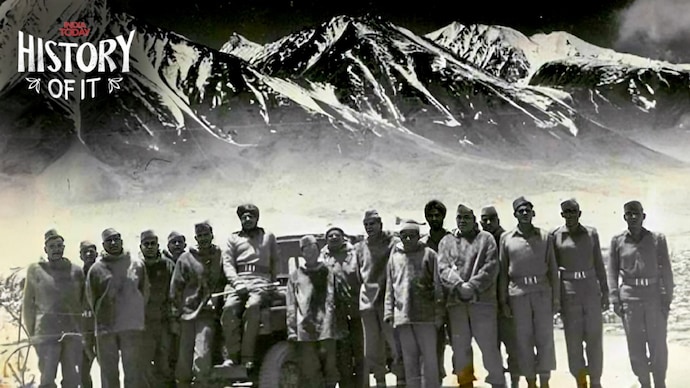
🏔️ The Battle in the Mountains
The incident took place during one of the fiercest clashes between India and China along their contested border. The exact location — a frigid, high-altitude outpost — was strategic for controlling movement across the sector. Chinese forces, with overwhelming numbers and firepower, launched a determined assault to capture it.
The defenders — a company of just 120 soldiers from the Indian Army — knew they were heavily outnumbered, but retreat was never an option. Their orders were clear: hold the position at any cost.
⚔️ Outnumbered but Unbroken
As the battle raged on, wave after wave of Chinese troops attacked, but each time they were met with fierce resistance. Ammunition was rationed, positions were reinforced with makeshift barriers, and soldiers fought through snowstorms and freezing winds.
Despite fatigue, injury, and dwindling supplies, the soldiers refused to surrender. They inflicted heavy casualties on the enemy, slowing their advance and buying crucial time for other Indian units to regroup.
❄️ The Frozen Testament of Bravery
When relief forces finally arrived after days of brutal fighting, they were met with a sight that would never be forgotten. Many of the Indian soldiers had fallen where they fought, their bodies frozen in the biting cold, still gripping their rifles and facing the enemy.
Even in death, their stance was defiant — a symbol of their unwavering commitment to defending the nation’s borders.
🇮🇳 The Spirit of the Indian Soldier
Military historians and veterans regard this battle as one of the most heroic defensive stands in modern warfare. It exemplifies the Indian Army’s ethos: “Service Before Self.”
These men knew the odds were impossible, yet they fought on — not for glory, but for duty. Their sacrifice delayed the enemy’s advance long enough for India to secure a stronger defensive line in the region.
📜 Remembering the Heroes
The bravery displayed in this battle is commemorated in regimental histories and continues to inspire generations of soldiers. While official recognition varies depending on the specific operation, the story is widely shared in army training institutions as an example of courage under fire.
“They were warriors to the very end,” said a senior officer who visited the battlefield later. “They may have been frozen, but their spirit will burn forever in the heart of India.”
📊 Lessons from the Battle
-
Morale Over Numbers: A motivated and disciplined force can hold its ground even when vastly outnumbered.
-
Terrain as a Force Multiplier: The soldiers’ knowledge of the rugged, icy terrain gave them a tactical advantage.
-
Sacrifice for the Greater Good: Their stand allowed strategic positions to remain under Indian control, preventing a larger loss.
🏁 Conclusion
The story of the 120 bravehearts who faced 5,000 Chinese soldiers is not just a tale of war — it’s a story of what it means to put your nation before yourself. It’s about men who knew they might never return, but still chose to stand and fight.
Their frozen forms, rifles in hand, will forever be a silent reminder that freedom and sovereignty come at the highest cost — and that some heroes never truly fall.