Outrage as Kerala Community in Dubai Welcomes Pakistan’s Shahid Afridi at Event: ‘Shameful’
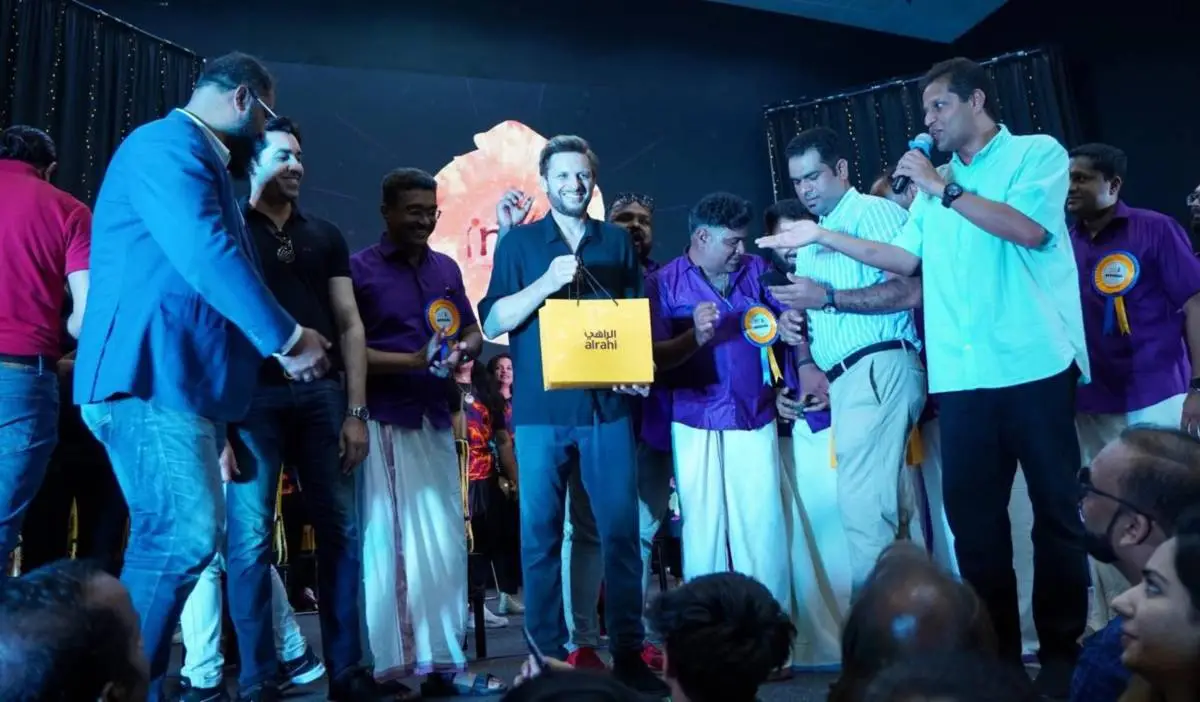
A recent event in Dubai has sparked widespread outrage and debate, particularly among Indian communities, after members of the Kerala diaspora were seen warmly welcoming former Pakistani cricket captain Shahid Afridi. The gathering, reportedly held at the Dubai World Trade Centre, was part of celebrations tied to Pakistan’s Independence Day and featured Afridi as a guest of honour.
While Afridi remains a popular figure in Pakistan for his cricketing legacy and charitable work, his presence at an event attended by Indian-origin guests—especially from Kerala—was met with anger on social media. The backlash intensified due to Afridi’s history of controversial political statements, particularly concerning India and the Kashmir region.
Celebration Turns Controversial
The event, attended by thousands of South Asian expatriates, aimed to foster cross-cultural unity and celebrate the Pakistani community’s contributions in the UAE. However, the optics of Indian community members, particularly Malayalis, embracing Afridi was viewed by many as deeply inappropriate.
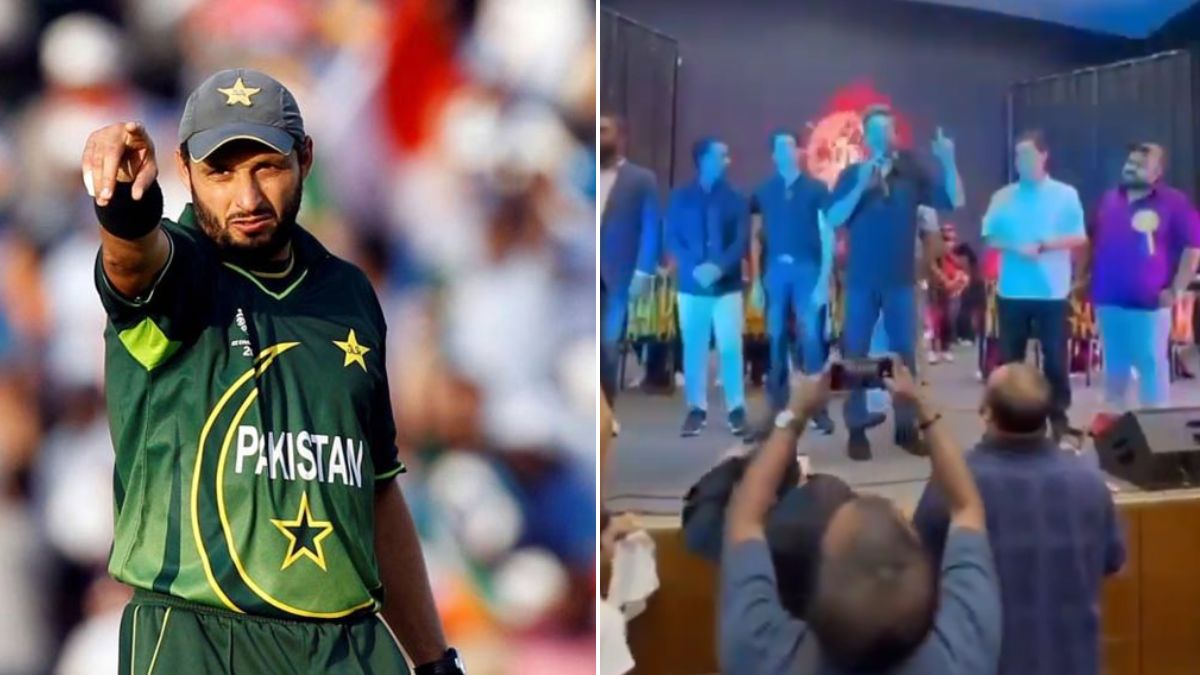
Afridi, a vocal supporter of Pakistan’s stance on Kashmir, has often been critical of Indian policies. His past statements—calling for international intervention in the region and criticizing the Indian government—have drawn strong reactions from Indian nationals globally. For many, these sentiments make him an unfit guest for events involving the Indian diaspora.
On social media platforms like X (formerly Twitter) and Facebook, users labeled the welcome as “shameful” and “insensitive.” Several accused the organizers of disrespecting Indian sentiments and overlooking Afridi’s political rhetoric.
Political Fallout and Online Reactions
What exacerbated the controversy further was a viral video that emerged showing Afridi interacting cordially with Indian-origin guests. Critics questioned why members of the Indian community would honour someone who has made statements against their country. Hashtags such as #ShameOnKerala and #BoycottAfridi trended briefly in Indian social media circles.
Some prominent voices, including political commentators and activists, also weighed in. “This is not about cricket. This is about national pride. Welcoming someone who consistently disrespects India, especially on Kashmir, is nothing short of disgraceful,” said one post that received thousands of likes.
Others pointed to the growing politicization of the Indian diaspora and how public gestures in international events can trigger nationalist backlash, even when intentions are apolitical.
Supporters Defend Event’s Intentions
Despite the furor, others defended the event and its organizers, emphasizing that the function was aimed at cultural celebration, not political endorsement. “Shahid Afridi is a sportsman and philanthropist. He’s done a lot for the South Asian community in the UAE, including charitable work and prisoner rehabilitation,” said a Dubai-based Malayali businessman who attended the event.
Indeed, Afridi has been known for his philanthropic initiatives, particularly through his Shahid Afridi Foundation, which supports education and healthcare projects. In the UAE, he’s been praised for efforts like assisting in the release of Pakistani prisoners from jails and donating to various causes.
Still, for many Indian nationals, particularly those sensitive to India-Pakistan relations, such gestures cannot outweigh the political overtones of hosting someone like Afridi in a prominent role.
A Reflection of Diaspora Complexities
This incident has highlighted the often fragile balance that expatriate communities must maintain when navigating identity, patriotism, and multicultural coexistence. The Indian and Pakistani diasporas in the UAE frequently coexist peacefully and even collaborate professionally. However, national sensitivities often resurface during high-profile events, bringing deep-seated tensions to the surface.
As the debate continues, it’s clear that gestures meant to promote harmony can sometimes backfire when the politics of home countries intrude on the lives of global citizens.
Would you like this formatted for a blog or news outlet?