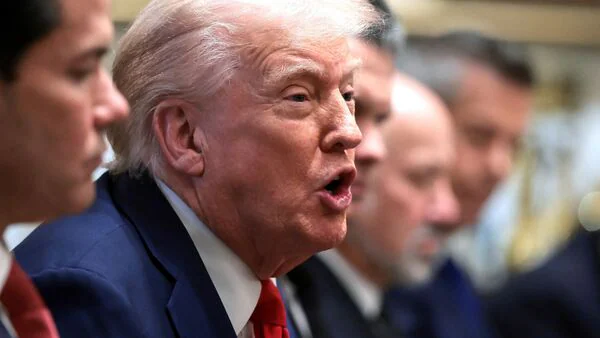
Donald Trump’s Planned Visit to Egypt The Gaza conflict is a multifaceted and enduring struggle that has deep historical roots. The region’s tensions can be traced back to the late 19th and early 20th centuries, shaped by the competing national movements of Jews and Arabs. The establishment of Israel in 1948 marked a pivotal moment, leading to the first Arab-Israeli war and the subsequent displacement of hundreds of thousands of Palestinians. This event laid the groundwork for enduring grievances and animosities, particularly in the Gaza Strip, which has been a focal point of the Israeli-Palestinian conflict over the decades.
Key events have further exacerbated the situation, including the Six-Day War in 1967, during which Israel occupied Gaza, and the First and Second Intifadas, which marked significant resistance against Israeli rule. The rise of Hamas in 2006 added a new dimension to the conflict, as this Islamist militant group took control of Gaza, leading to violent confrontations with Israel and internal Palestinian discord. The blockade imposed by Israel and Egypt on Gaza since then has resulted in dire humanitarian conditions, fueling resentment and desperation among the population.
Ceasefire agreements have historically played a crucial role in the peace process, providing temporary relief from hostilities and allowing for humanitarian aid. The significance of a ceasefire at this juncture cannot be understated; it presents an opportunity to alleviate the suffering of civilians impacted by ongoing violence and to foster a climate conducive to dialogue. In light of the recent escalations, the involvement of international figures, such as Donald Trump’s proposed participation in ceasefire discussions, underscores the urgent need for renewed efforts towards stabilization in the region and the pursuit of a lasting resolution that addresses the concerns of all parties involved.
Trump’s Role in Middle Eastern Diplomacy
During his presidency, Donald Trump adopted a distinctive foreign policy approach that significantly impacted the Middle East landscape. One of the hallmark initiatives of his administration was the Abraham Accords, which sought to normalize relations between Israel and several Arab states. These agreements not only represented a shift in traditional Arab-Israeli relations but also highlighted Trump’s strategy to enhance diplomatic engagement in the region by leveraging economic incentives and security partnerships. The accords were pivotal in redefining alliances as they encouraged nations, such as the United Arab Emirates and Bahrain, to pursue cooperative agreements with Israel, marking a notable departure from longstanding geopolitical tensions.

Trump’s motivations for fostering this diplomatic momentum were multilayered. Primarily, he aimed to present a legacy of constructive engagement and conflict resolution, which he believed would bolster his political standing domestically and internationally. By promoting peace initiatives, he appealed to voters who were weary of perpetual conflict in the Middle East, positioning himself as a peacemaker. Such initiatives also served to enhance U.S. strategic interests in countering Iranian influence in the region, further aligning his policies with key allies, and establishing a framework for potential peace in heavily contested zones.
The prospect of a ceasefire, particularly regarding Gaza, is another critical aspect of Trump’s ongoing Middle Eastern engagement. His administration’s efforts were often met with mixed reactions from various stakeholders. While allies lauded his proactive stance, critics were quick to point out lapses in addressing humanitarian concerns during conflicts. The dynamics of Trump’s relationships with both longstanding allies and emerging partners in the Arab world showcase the complexities of his diplomatic maneuvers, underscoring the importance of nuanced understanding in Middle Eastern politics. His upcoming visit to Egypt for Gaza ceasefire discussions may thus symbolize both a continuation of these efforts and a test of his influence amidst shifting geopolitical realities.
The Significance of the Egypt Venue
Donald Trump’s Planned Visit to Egypt Egypt has long held a critical role as a mediator in the Israeli-Palestinian conflict, making it an apt choice for the signing of the Gaza ceasefire deal. Historically, Egypt has served as a neutral ground where both Israeli and Palestinian leaders have come together to address their disagreements. This diplomatic history fosters a sense of trust that is essential for meaningful negotiations. The significance of Egypt as a mediator stems from its strategic geographical position, which allows it to exert a level of influence over both parties involved in the conflict. Not only is Egypt adjacent to both Israel and the Gaza Strip, but it also has established diplomatic relations with each side, enabling it to act as a facilitator capable of understanding the nuances of both perspectives.
Donald Trump’s Planned Visit to Egypt Additionally, Egypt’s involvement in the peace process is underscored by its long-standing commitment to regional stability. The country has actively participated in various negotiations and has hosted numerous talks aimed at achieving a lasting peace in the region. Such initiatives underscore its diplomatic capability and its willingness to engage in complex discussions surrounding the conflict. Furthermore, Egypt’s motivations are not solely altruistic; ensuring a stable Gaza Strip has implications for its national security and regional influence. Hence, the choice of Egypt for this significant signing, led by figures like Donald Trump, not only emphasizes its historical role but also highlights strategic considerations that have shaped the current diplomatic landscape.
Donald Trump’s Planned Visit to Egypt However, challenges may still arise from selecting Egypt as the venue for the ceasefire deal. Internal dynamics within Egypt, regional rivalries, and the historical complexities of the Israeli-Palestinian conflict could all pose hurdles. As Egypt continues to navigate these intricate relationships, its role as a mediator will be tested, requiring careful diplomacy to maintain balance and facilitate genuine peace. The outcome of this ceasefire signing may establish Egypt’s future role as a pivotal player in ongoing discussions and peace efforts.
What Lies Ahead: Implications for the Future
Donald Trump’s planned visit to Egypt for the signing of a ceasefire agreement marks a significant moment in U.S.-Middle East relations. As the region grapples with ongoing tensions, especially in Gaza, the successful implementation of this ceasefire could pave the way for new diplomatic engagements. Trump’s actions may signal a shift in U.S. policy, positioning the United States as a mediator rather than merely a supporter of one side. This potential shift could lead to improved relations with Arab nations, which have often criticized U.S. policies in the region.
The implications of Donald Trump’s Planned Visit to Egypt extend beyond immediate diplomatic outcomes. If the ceasefire proves sustainable, it may foster an environment conducive to long-term peace initiatives. For instance, a stable Gaza could enable discussions surrounding economic development and humanitarian aid, which are essential for the rebuilding of war-torn communities. Moreover, if the ceasefire leads to a collaborative approach involving Israel and Palestinian leadership, it could bolster efforts towards a two-state solution, long seen as the ideal framework for resolution.
However, the reaction from Palestinian and Israeli officials will be crucial. Should they respond positively, it might encourage further negotiations aimed at establishing a lasting peace. Conversely, any perceived insincerity or failure to address core issues such as borders, security guarantees, and refugees could fuel existing tensions. Furthermore, the political repercussions for Trump could be profound. A successful engagement might solidify his standing within U.S. politics as a viable leader capable of navigating complex international issues, while a failure could jeopardize his image, especially among constituents advocating for a peace-centered approach.
Donald Trump’s Planned Visit to Egypt In light of these factors, Donald Trump’s Planned Visit to Egypt carries both risks and opportunities that could significantly influence future interactions within the Middle East and shape his political trajectory. As events unfold following the ceasefire, the reactions and subsequent actions from all parties involved will be critical in determining the path ahead.