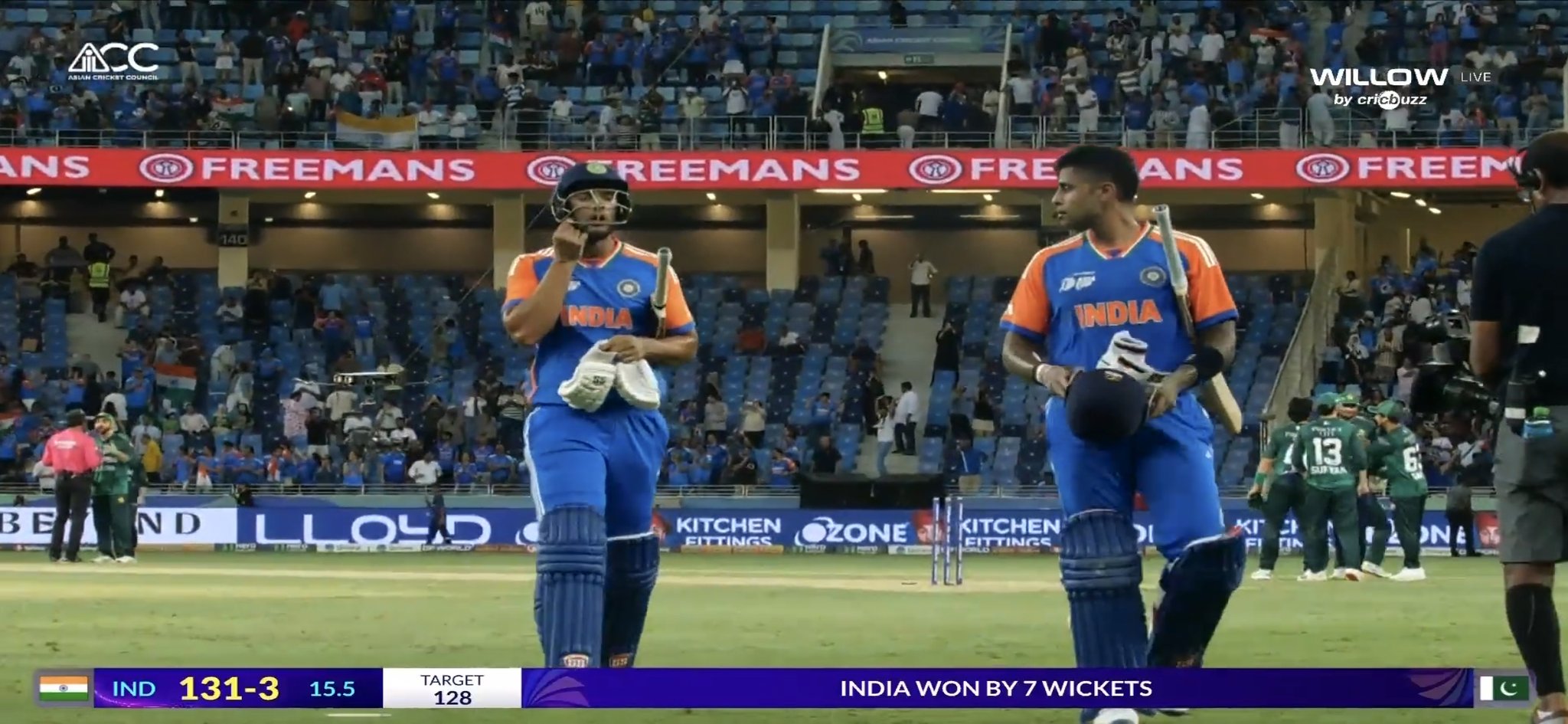
Suryakumar Yadav’s Team Did Not Pay Any Attention : The India–Pakistan cricket rivalry is one of the fiercest in the world, going far beyond just a sporting contest. Every time the two teams face each other, the match is charged with political, cultural, and emotional undertones. While players have often attempted to keep things professional on the field, recent incidents have shown that the intensity of this rivalry sometimes spills over into gestures and behavior. In the latest Asia Cup encounter, India’s victory over Pakistan was overshadowed by controversy when Suryakumar Yadav’s team reportedly did not pay attention to Pakistan’s players after the match and refrained from shaking hands. This unusual behavior sparked debates among fans, analysts, and former cricketers, raising questions about sportsmanship, rivalry, and respect in modern cricket.
The Match: A Hard-Fought Contest
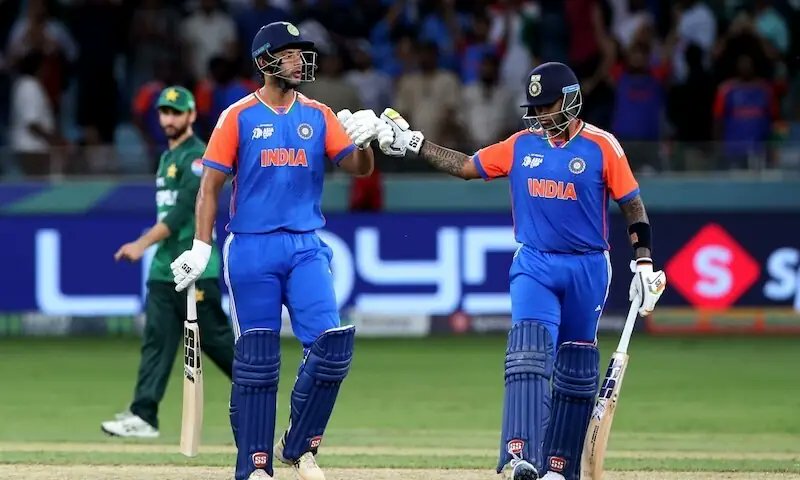
The match itself was thrilling, with India dominating the second half through their spin attack. Suryakumar Yadav, leading the side, marshaled his resources brilliantly. India posted a competitive total on the board, and the bowlers, especially the spinners, ensured Pakistan’s batting collapsed under pressure. The victory was emphatic and celebrated loudly by Indian fans both inside the stadium and across the world.
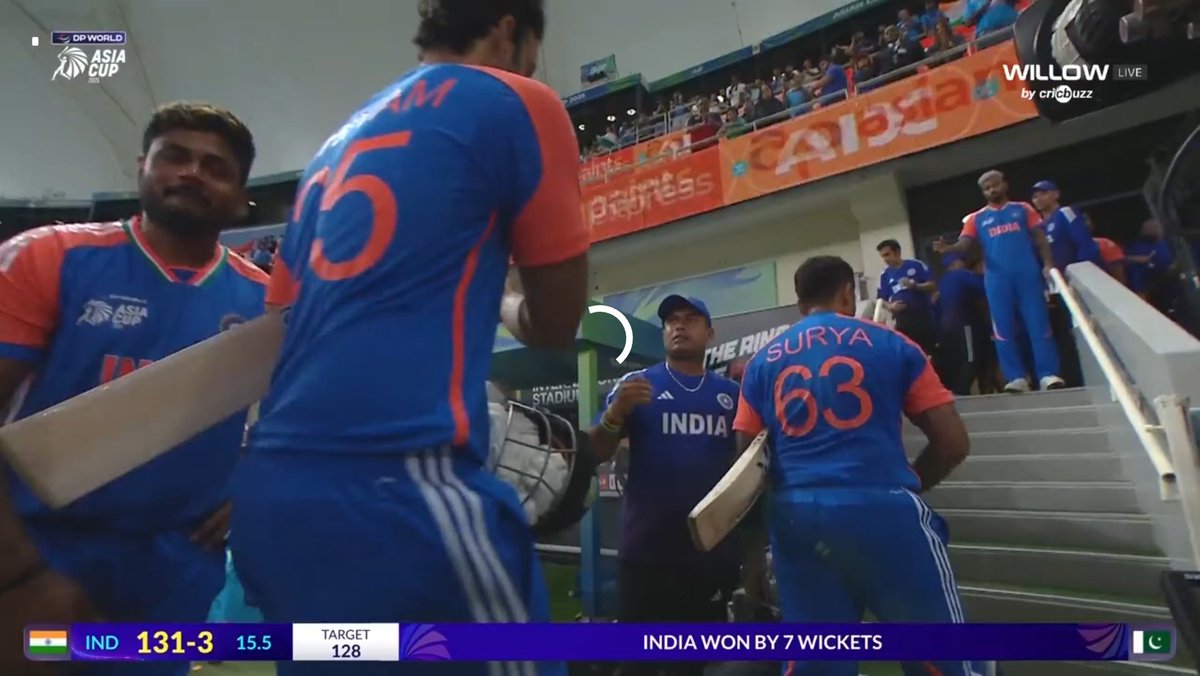
Normally, once the match concludes, cricketers from both sides exchange handshakes, a ritual symbolizing respect and unity despite the competitive spirit. However, this time the scene was starkly different. The Indian team appeared to celebrate among themselves, avoiding contact with Pakistan’s players.
What Exactly Happened After the Match?
According to eyewitnesses and live telecast footage, the Indian players gathered in a huddle, congratulated each other, and walked off the field without extending the usual post-match handshake. Pakistani cricketers were seen waiting near the boundary line, but there was minimal acknowledgment from the Indian camp. Even Suryakumar Yadav, known for his calm demeanor, did not approach the opposition to exchange pleasantries.
This deliberate move quickly became a talking point. Was it an intentional snub? Was it a decision taken by the captain and team management? Or was it simply an emotional reaction in the heat of the moment?
The Reaction of Fans
The incident divided fans sharply:
-
Indian Fans: Many Indian supporters defended the team’s actions, saying it reflected the depth of the rivalry. Some argued that cricket is not isolated from the tense political backdrop between the two nations. They praised Suryakumar Yadav for putting his team first and not indulging in unnecessary gestures.
-
Pakistani Fans: On the other hand, Pakistan’s fans expressed disappointment and anger. They accused India of disrespecting the spirit of cricket. For them, the lack of a handshake was seen as arrogance and poor sportsmanship, despite Pakistan’s loss.
-
Neutral Observers: A large section of cricket lovers, not aligned to either side, felt saddened. They stressed that cricket has always been a bridge between nations, and gestures of respect are crucial in keeping the rivalry healthy rather than hostile.
Former Cricketers’ Opinions
Several former players and analysts weighed in on the controversy.
-
Indian Legends: Some ex-Indian players defended the move, pointing out that emotions often run high in India–Pakistan matches. They argued that respect can be shown in many ways, and the team had no obligation to follow a ritual if it did not align with their mindset at the time.
-
Pakistani Experts: Former Pakistan cricketers were vocal in their criticism. They labeled India’s actions as “unsporting” and said such behavior diminishes the game. According to them, players are ambassadors of the sport and must rise above rivalry.
-
Neutral Analysts: Commentators from other nations tried to remain balanced, acknowledging the emotional intensity of the match but urging both teams to maintain traditions that reflect cricket’s values.
The Role of Suryakumar Yadav
As captain, Suryakumar Yadav’s role became central in this controversy. Known for his composed nature and team-first mentality, his decision not to engage with Pakistan raised eyebrows. Some insiders suggested that Yadav wanted his players to stay completely focused on their own celebrations rather than offering symbolic gestures. Others hinted it might have been a pre-planned decision, aligning with the Indian camp’s stance on handling high-pressure clashes with Pakistan.
Regardless of the reasons, Suryakumar’s leadership came under the scanner. While many admired his fierce competitive spirit, others argued that a handshake would not have diminished India’s victory but would instead have showcased maturity.
Sportsmanship vs Rivalry
Suryakumar Yadav’s Team Did Not Pay Any Attention : This incident reignited the age-old debate between sportsmanship and rivalry. Cricket, often called the “gentleman’s game,” emphasizes respect, fair play, and unity. The post-match handshake has always been a small yet powerful symbol of these values. By avoiding it, India may have sent a message of dominance, but it also risked being viewed as undermining the ethos of the sport.
At the same time, the India–Pakistan rivalry is unlike any other in world cricket. For players, the pressure is immense, the stakes are higher, and emotions run deeper. What might appear unsporting to some could also be seen as a natural extension of this extraordinary rivalry.
Media Coverage
Media outlets across the subcontinent and internationally gave the incident significant coverage. Headlines ranged from:
-
“India Snubs Pakistan After Asia Cup Win”
-
“Suryakumar’s Team Refuses Handshakes, Sparks Debate”
-
“Sportsmanship Questioned as Rivalry Intensifies”
Talk shows, social media platforms, and news debates were dominated by this story for days. Memes, heated exchanges, and hashtags like #NoHandshake and #RespectTheGame trended on Twitter and Instagram.
Possible Consequences
The cricketing boards of both nations may address this matter behind closed doors. While official sanctions or warnings are unlikely, such incidents can have long-term effects:
-
Strained Relations: It may further strain already limited cricketing relations between India and Pakistan.
-
ICC Attention: The International Cricket Council could take note, as it emphasizes maintaining the spirit of cricket.
-
Public Pressure: Players might face questions in press conferences and scrutiny from their fanbases.
Lessons for the Future
This incident highlights the need for balance. Rivalry should remain fierce but respectful. For the younger generation of cricketers, it is important to understand that gestures like a handshake do not weaken competitiveness but strengthen the sport’s global image.
Moving forward, both India and Pakistan may need to find middle ground. While complete camaraderie might not be possible given the larger political climate, small gestures of respect can go a long way in ensuring the rivalry remains sporting rather than hostile.
Conclusion
The Asia Cup match between India and Pakistan will be remembered not only for India’s dominant performance but also for the controversy that followed. Suryakumar Yadav’s team’s refusal to shake hands with Pakistan after the win has sparked debates about sportsmanship, rivalry, and the meaning of respect in modern cricket.
While some see it as a bold message of supremacy, others view it as a disregard for cricket’s traditions. Ultimately, this incident underscores the unique and complex nature of the India–Pakistan rivalry, where even the smallest gestures are magnified and interpreted in contrasting ways.
For cricket to remain the sport that unites billions, players may need to remind themselves that while victories and defeats are temporary, respect and sportsmanship are everlasting.