Hindustan Aeronautics Limited (HAL) is a prominent state-owned aerospace and defense company in India, renowned for its significant contributions to the country’s defense capabilities. Established in 1940, HAL has evolved into one of the largest aerospace manufacturers in Asia, catering to various sectors including both military and civil aviation. The company’s inception aimed at harnessing indigenous technology to develop and manufacture aircraft and aerospace systems, which has since played a crucial role in strengthening India’s national security.
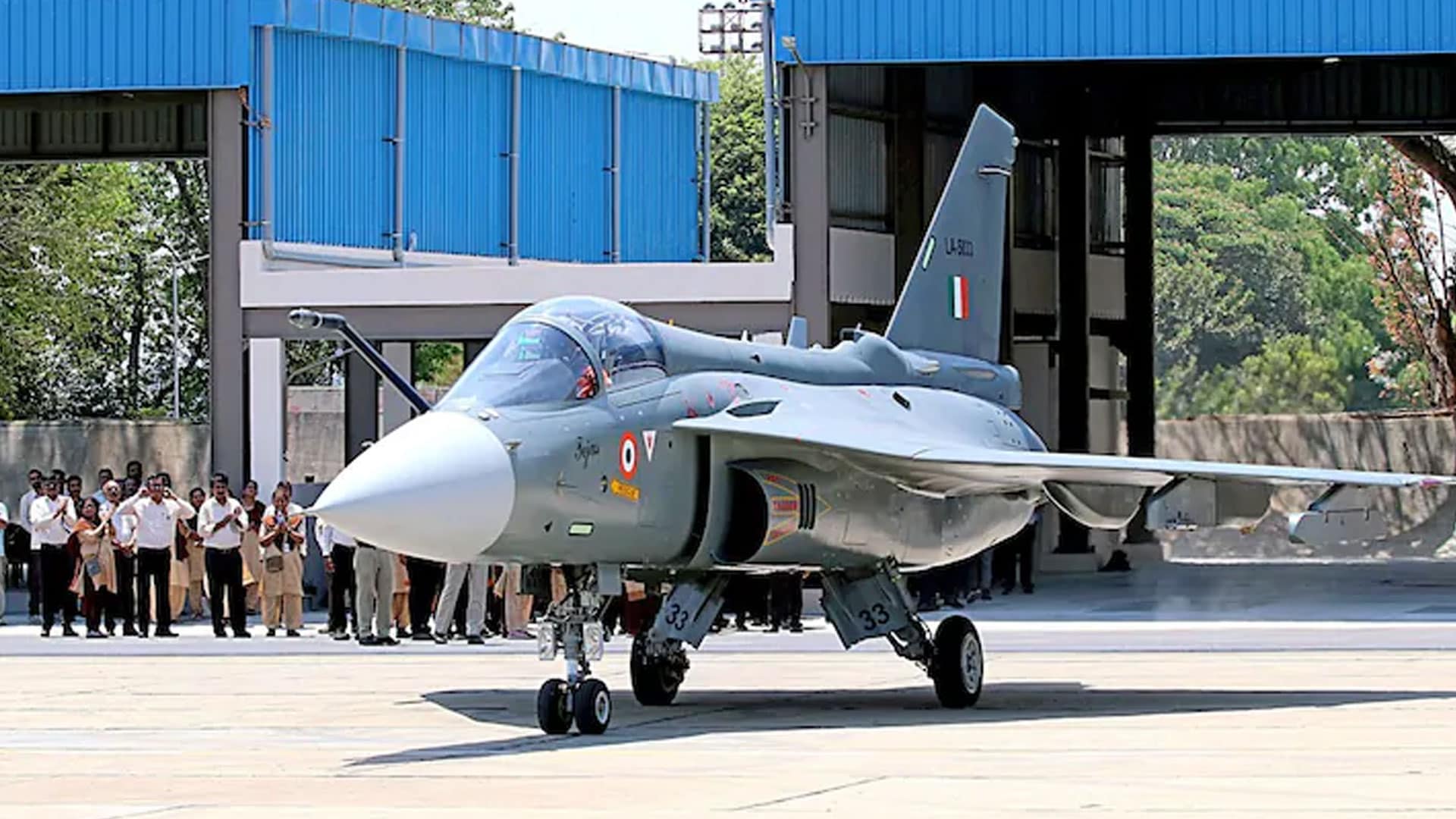
HAL’s prominent role in the Indian defense sector is underscored by its extensive portfolio of projects, which include the design and production of military aircraft, helicopters, and components. Notable achievements include the development of advanced fighter jets like the Tejas, a lightweight, multi-role fighter aircraft that embodies India’s aspirations for self-reliance in defense manufacturing. The company also has an impressive range of helicopters, such as the Dhruv, which serve various operational requirements for the Indian Armed Forces.
Beyond aircraft manufacturing, HAL is engaged in vital technology development projects, collaborating with global aerospace leaders and enhancing indigenous research and development capabilities. This commitment to innovation not only supports India’s defense needs but also facilitates economic growth through job creation and skills development in the aerospace sector. Moreover, HAL’s strategic partnerships play a pivotal role in ensuring that the Indian military is equipped with modernized technology and equipment.
As the ongoing tug-of-war over HAL’s future location unfolds between Karnataka and Andhra Pradesh, understanding its historical significance and contributions to national security becomes indispensable. The stakes in this debate are high, reflecting the broader implications for the aerospace and defense sector in India as it seeks greater self-sufficiency and technological advancement.
The Historical Context of HAL’s Location
The establishment of Hindustan Aeronautics Limited (HAL) in Bengaluru, Karnataka, traces back to the 1940s, at a time when India’s aspirations for self-reliance in defense production began to materialize. The company was officially founded in 1940 as a subsidiary of the Lockheed Corporation and was integral in bolstering the nation’s aerospace capabilities during World War II. The choice of Bengaluru, a city with a conducive climate and an existing infrastructure, made it an appropriate location for this emerging industry.
The socio-economic factors that contributed to Karnataka’s rise as a hub for aerospace and defense industries are multifaceted. Post-independence, the Indian government recognized the necessity of developing an indigenous defense framework, fostering organizations such as HAL to meet national security needs. The presence of research institutions, universities, and a skilled workforce in and around Bengaluru further reinforced the city’s status as an aerospace center. The establishment of nearby public sector entities like the Defence Research and Development Organisation (DRDO) supported HAL’s growth, creating a synergistic environment vital for advancements in aviation and defense technology.
Several past policies and political decisions have also significantly influenced HAL’s trajectory. For instance, the government’s focus on public sector undertakings in the 1960s and 1970s prompted substantial investment in HAL, enabling it to expand operations and enhance capabilities. However, this development has not been without its challenges. Over recent decades, tensions have emerged between Karnataka and neighboring Andhra Pradesh over the future of HAL, especially with Andhra Pradesh advocating for a more significant role in the aerospace domain. Collaboration between both states could potentially harness their respective strengths, yet historical sentiments and political interests continue to shape the ongoing tug-of-war regarding HAL’s control and growth.
The Political Landscape: Karnataka and Andhra Pradesh’s Claims
The political dynamics surrounding Hindustan Aeronautics Limited (HAL) illustrate a complex tug-of-war between Karnataka and Andhra Pradesh, reflecting the broader implications for regional identities and economic aspirations. Both states have provided varying claims regarding HAL’s future, articulating their respective narratives through the lens of local government policies and public sentiment.
Karnataka, where HAL’s headquarters is situated, has a historical attachment to the aerospace and defense sector. Political leaders from the state underline the significant contributions of HAL to the local economy and its role in generating job opportunities for the residents. The Karnataka government emphasizes its policies that facilitate technological advancements and investment in defense manufacturing, portraying HAL as a pillar of the local economy, providing numerous direct and indirect employment opportunities.
Conversely, Andhra Pradesh has been vocal about its ambitions to attract hal and expand its defense capabilities. The state’s political leaders assert that establishing a component of HAL could propel its economic growth and stimulate job creation in the region. This assertion resonates with public sentiment as various constituencies rally around the prospect of increased employment and infrastructure development. The Andhra Pradesh government has initiated discussions, advancing proposals aimed at luring HAL to consider relocating or expanding its operations within its borders.
At the crux of these claims lies the intricate relationship between local economies and national security imperatives. The outcome of this political tussle has ramifications that extend beyond state boundaries, influencing defense procurement strategies vital for India’s national defense posture. The competition for HAL is not merely about commercial interests; it is emblematic of regional pride and aspirations for dominance in the aerospace sector. The political landscape in Karnataka and Andhra Pradesh will undoubtedly continue to evolve, shaping the future of HAL and, potentially, India’s defense manufacturing capabilities.
Future Prospects and Implications for HAL and the Defense Sector
The ongoing competition between Karnataka and Andhra Pradesh over the future of Hindustan Aeronautics Limited (HAL) is poised to have significant implications not only for the company itself but also for the broader Indian defense sector. As one of India’s premier aerospace and defense manufacturers, HAL plays a critical role in the country’s military and civilian aviation landscape.
With the emergence of Andhra Pradesh as a formidable contender for HAL’s operations, Karnataka faces a pressing need to enhance its strategic position. The potential relocation or expansion of HAL facilities to Andhra Pradesh could result in a substantial shift in operations, affecting project timelines and funding allocations. This tug-of-war could lead to delays in critical defense projects, undermining the government’s objectives of achieving self-reliance in defense manufacturing under the Make in India initiative.
Moreover, the intensity of this competition may inadvertently spur innovation within HAL. As both states vie for this vital enterprise, there may be increased investment in technology and infrastructure aimed at boosting HAL’s operational efficiencies. Such enhancements would not only benefit the company but could also strengthen India’s defense capabilities at large.
Collaboration opportunities may also arise from this rivalry. With the government’s mediating role, there is potential for forging new partnerships between state governments and private stakeholders to advance the aerospace industry. A collaborative framework could enhance HAL’s productivity while providing the necessary impetus for regional development in both states.
In conclusion, the tug-of-war over HAL’s future is more than a local dispute; it symbolizes larger themes of national security, economic development, and technological advancement. The outcomes of this conflict will likely set a precedent for how defense manufacturing evolves in India, determining both the operational landscape of HAL and the wider implications for the aerospace and defense sector in the country.