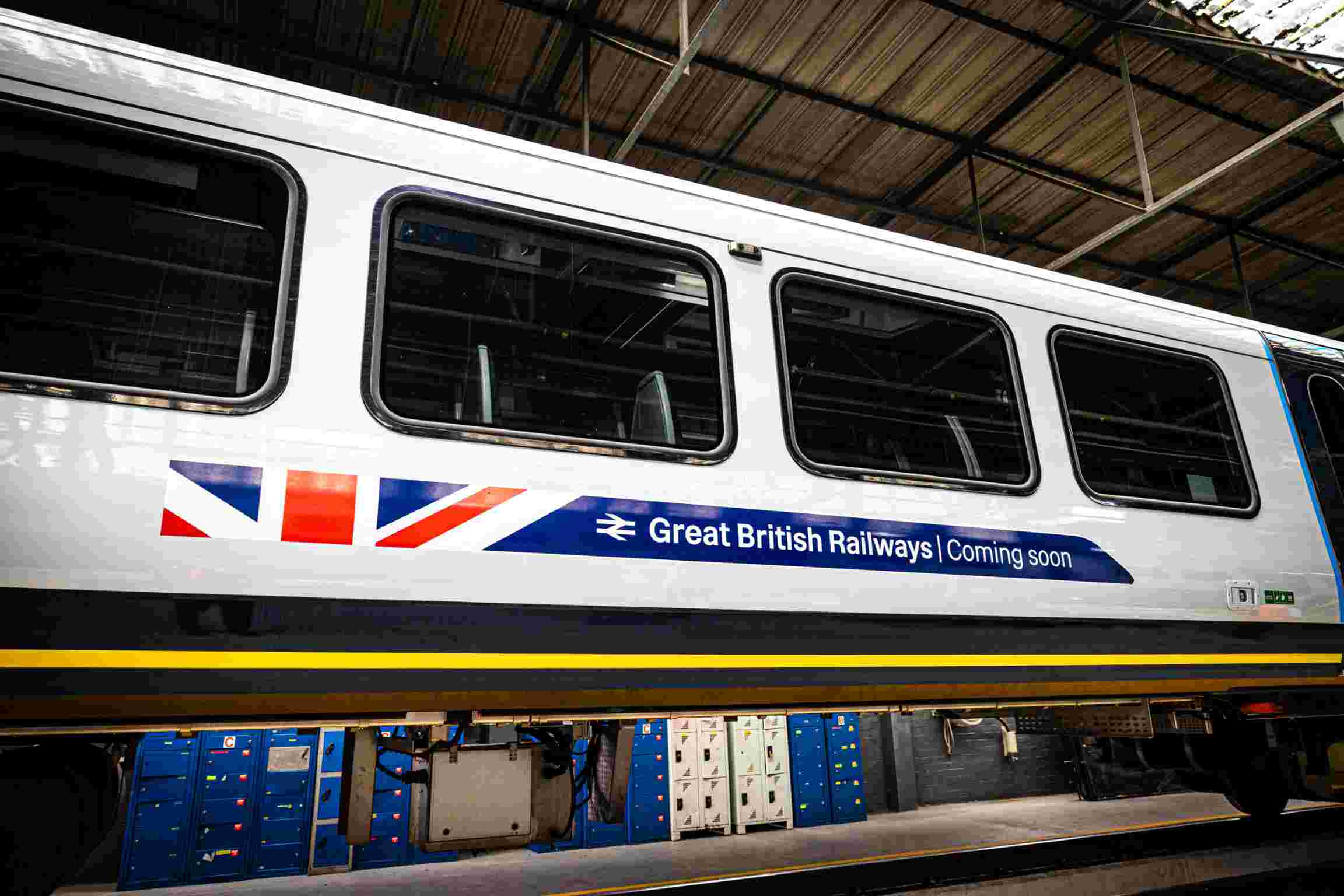
The British passenger transport sector has undergone significant transformation, particularly since the privatization wave of the 1990s. This shift towards privatization was initially driven by the belief that private ownership would enhance efficiency, foster competition, and improve service quality. The intention was to create a market-oriented environment wherein private operators would assume control of rail services, thereby reducing the financial burden on the government. However, the outcomes were mixed, leading to a series of challenges that would later prompt discussions around public ownership.

Following the privatization in the 1990s, the transport landscape saw the emergence of numerous private operators. The railways were segmented into various franchises managed by different entities. While this structure aimed to increase competition, it often resulted in fragmented services and operational discrepancies across the network. In some instances, passengers encountered inconsistent service quality, unreliable timetables, and rising fares, which led to frustration and disillusionment. Moreover, the lack of coherence among operators raised concerns about passenger safety and the overall effectiveness of the system.
Key milestones marked this journey, such as the introduction of the Railways Act of 1993, which laid the groundwork for the transfer of the British Rail network to private hands. Over time, various governmental reviews and public inquiries highlighted systemic issues that arose from privatization. The infamous collapse of specific rail franchises with financial instability exemplified the fragility of the privatized model. These events catalyzed a growing sentiment among the public and policymakers regarding the efficacy of privatization in delivering a reliable and cohesive transport service.
As a result, calls for revisiting public ownership gained momentum, paving the way for a historic shift that is currently unfolding within the British passenger transport sector. This evolution illustrates a significant turning point amidst the complex backdrop of privatization and its repercussions.
Reasons for the Transition Back to Public Ownership
The return of British passenger operators to public ownership has been driven by a confluence of factors, primarily centering on public dissatisfaction with service quality, fare increases, and the profound impact of the COVID-19 pandemic on the transport sector. Over recent years, the rail system has come under scrutiny due to escalating ticket prices, which have often outpaced wage growth, leading to widespread frustration among commuters. According to a survey conducted by the Office of Rail and Road, over 70% of passengers expressed dissatisfaction with the value for money offered by train services.
Moreover, the COVID-19 pandemic has had a transformative influence on public perception regarding transportation. The crisis not only revealed vulnerabilities within the existing privatized framework but also highlighted the necessity for a more coordinated and resilient approach to public transport. Financial instability faced by private operators during the pandemic raised questions about their ability to prioritize passenger needs in times of crisis. As a result, calls for nationalization have gained traction, with proponents arguing that public ownership could ensure a more focused commitment to service quality and affordability.
Beyond immediate public sentiment, a socio-economic rationale underpins the move towards public ownership. By re-integrating passenger services into the public sector, advocates argue for the potential enhancement of community wellbeing through more accessible and reliable transportation options. Drawing from international examples, countries such as Germany and France have successfully re-nationalized their rail services, resulting in improved service performance and passenger satisfaction. These precedents serve to bolster the argument that ownership by the state could lead to significant benefits for both passengers and the broader economy.
The ongoing discourse surrounding the nationalization of British passenger operators exemplifies a pivotal moment in transport policy, emphasizing the significance of public ownership as a solution to the persistent challenges faced by the sector.
Implications of Public Ownership for Passengers and Staff
The return of British passenger operators to public ownership marks a significant change in the rail industry, carrying numerous implications for both passengers and staff. One of the most immediate effects is the expected enhancement in service delivery. By placing oversight under public ownership, operators are more likely to prioritize the needs of passengers over profit margins, which can lead to improved reliability, reduced delays, and better overall travel experiences. This shift also opens opportunities for investment into essential infrastructure, allowing for modernization and expanded service routes that can benefit communities across the country.
Fare pricing strategies are another critical aspect of public ownership. With a focus on passengers rather than shareholder profits, there is potential for more equitable fare structures. This could involve cap changes on ticket prices, special discounts for vulnerable populations, and the implementation of fare freezes during economic uncertainty. Such measures can significantly enhance accessibility to transport and encourage the use of railways, vital for both economic growth and environmental sustainability.
Job security for employees is another positive implication of returning to public ownership. Public operators may offer better job stability, as there is less pressure to reduce staffing levels to cut costs. This could lead to improved working conditions, comprehensive training programs, and fairer remuneration, ultimately benefiting the workforce and translating into a higher quality of service for passengers.
Moreover, public ownership fosters greater accountability and transparency, essential elements for gaining public trust. Stakeholders such as transport unions, passenger groups, and government officials play crucial roles in shaping the future of rail transport. Their perspectives can help influence policies that prioritize public interest over profit-driven motives, further ensuring the protection and rights of both passengers and staff in a reinvigorated rail industry.
Looking Ahead: The Future of British Passenger Operators
The recent shift of British passenger operators back into public ownership presents an opportunity to reshape the landscape of transport services throughout the UK. Such a transition opens avenues for numerous reforms aimed at enhancing service efficiency and the overall passenger experience. One of the primary innovations could involve the introduction of sustainable transport solutions, which align with the increasing global emphasis on environmentally friendly practices.
As the sector looks forward, integrating various modes of public transport stands out as a critical area for development. Coordination between bus, train, and other transportation services can streamline travel experiences, thus making them more user-friendly. Comprehensive multi-modal transport systems can not only improve connectivity but also incentivize the public to utilize public transport over personal vehicles, thus contributing to reduced carbon footprints.
The role of technology is indispensable in this era of transformation. Incorporating digital tools for ticketing, real-time tracking, and customer feedback can significantly enhance operational efficiency and passenger satisfaction. Investments in advanced infrastructure, including smart stations equipped with Wi-Fi and mobile charging facilities, could provide further convenience to the travelling public. Moreover, the implementation of artificial intelligence in scheduling and predictive maintenance can minimize delays and service interruptions, thereby elevating the overall reliability of British passenger operations.
Despite the promising outlook, the journey ahead may not be devoid of challenges. Ensuring effective management during this transition is critical, as it will require not only adept oversight but also engaging the workforce in this change. Resistance from stakeholders accustomed to the previous model could emerge, necessitating transparent communication and strategic partnerships. Additionally, the financial implications of this new public ownership model must be carefully considered to avert potential pitfalls. Addressing these factors will play a pivotal role in ushering in a new era for British passenger operators.