Dramatic Rescue: Children Freed from Hostage
The incident at a studio in Powai, Mumbai, began on a seemingly ordinary afternoon, transforming into a harrowing hostage situation that gripped the entire area. Children from a local organization were participating in a workshop at the studio when an unidentified individual entered the premises, brandishing a weapon and taking several children hostage. The situation escalated quickly, leaving the children and staff vulnerable and frightened. Eyewitnesses reported a surge of panic as the commotion unfolded, with many quickly realizing the severity of the situation.
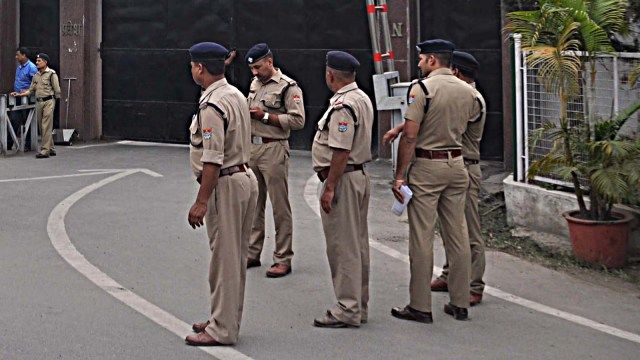
Initial responses came swiftly from local law enforcement, who were alerted to the crisis almost immediately. The Mumbai police cordoned off the area, fearing that the situation could worsen if not handled delicately. Officers trained in crisis negotiation were deployed, and they began communication with the individual to assess the demands and motives behind the hostage-taking. Meanwhile, the atmosphere outside the studio became charged with tension as parents and community members gathered, anxiously seeking information about the welfare of the children.
Emergency Response: The Role of Law Enforcement and Negotiators
Dramatic Rescue: Children Freed from Hostage The recent hostage crisis in Powai has highlighted the critical importance of swift action by law enforcement agencies in managing such volatile situations. Upon receiving reports of children being held hostage in a studio, the local police, alongside specialized task forces, mobilized immediately to the scene. Their primary objective was to ensure the safety of the hostages while strategically assessing the situation and formulating an effective rescue plan. The leadership displayed by the police in this critical moment is a testament to their training and preparedness for emergencies.
Central to the resolution of the hostage crisis were professional negotiators who play a pivotal role in communicating with captors. Utilizing established protocols, they initiated dialogue with the individuals holding the children. Effective negotiation involves building rapport and trust, which can reduce the captor’s anxiety and increase the likelihood of a peaceful resolution. By listening attentively and responding thoughtfully, negotiators were able to extract vital information regarding the captors’ demands and the welfare of the hostages. This intelligence gathering proved to be crucial, as it informed the tactical decisions made by law enforcement throughout the incident.
Dramatic Rescue: Children Freed from Hostage However, the challenges faced by the authorities were significant. Negotiators had to navigate not only the psychological complexities inherent in hostage situations but also the unpredictable behavior of the captors, who may escalate their demands under pressure. The presence of media and public speculation added another layer of complication, necessitating careful management of information to prevent panic or misinformation. Ultimately, the collaborative efforts of law enforcement, negotiators, and crisis management teams underscored the importance of coordination and clear communication in overcoming such precarious circumstances.
The Rescue Operation: How the Children Were Freed
Dramatic Rescue: Children Freed from Hostage The rescue operation that unfolded in Powai was a meticulously planned and executed endeavor, led by local law enforcement agencies in collaboration with tactical teams. As soon as information regarding the hostage situation emerged, authorities quickly mobilized to assess the situation. Initial intelligence gathered on-site indicated that several children were being held in a studio under dire circumstances. This critical information prompted a swift response, allowing for strategic planning to take place.
Dramatic Rescue: Children Freed from Hostage Law enforcement’s approach was structured around an incident command system, involving various personnel from different agencies, including local police, SWAT teams, and child protection units. Each team had well-defined roles that contributed to the operational efficiency of the rescue mission. Extensive surveillance was conducted to monitor the movements of the hostage-taker, providing essential data that informed the tactical decisions made by the commanders. The focus was clear: ensure the safety of the children while neutralizing any immediate threat posed by the abductor.
Dramatic Rescue: Children Freed from Hostage As the situation progressed, officers executed a carefully timed entry tactic, ensuring that all angles were covered. The rescue team engaged in extensive communication, each member aware of their position and responsibilities. The moments leading up to the successful extraction were filled with tension, yet the training and experience of the personnel shone through. When the moment arrived for intervention, the operation transitioned from execution to extraction. Precise, swift action allowed for the safe recovery of the children, who were subsequently escorted to safety, unharmed and relieved.
Reactions from the rescue teams underscored a sense of camaraderie and relief, with many members reflecting on the emotional weight of the operation. Such successful rescue operations are a testament to the professionalism and dedication of first responders, whose ultimate goal was to safeguard innocent lives in perilous circumstances.
Aftermath: Impact on the Community and Future Implications
The shocking hostage situation in Powai has left an indelible mark on the community, particularly on the families of the children directly affected. Emotional trauma is a significant concern; many parents have reported increased anxiety and fear regarding the safety of their children. Mental health professionals in the area have indicated a rising demand for psychological support services to aid these families in coping with the aftermath. The incident has highlighted the vulnerabilities present within educational and recreational institutions, serving as a wake-up call for parents and guardians.
Public statements from officials and community leaders have emphasized the necessity for enhanced safety protocols in schools and childcare facilities. The Powai incident has prompted dialogue about the adequacy of current security measures in similar environments across Mumbai. Authorities have begun to evaluate and update their policies, focusing on the implementation of better surveillance systems and more comprehensive training for staff on crisis management. Furthermore, discussions among educational stakeholders about effective communication during emergencies are gaining traction, with an aim to cultivate an environment that prioritizes children’s safety.