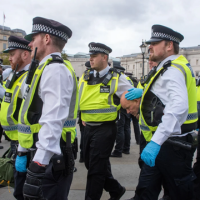
police powers Recently, legislation has been proposed that is designed to grant law enforcement agencies broader powers to manage protests that are categorized as repeated or disruptive. This shift aims to address ongoing challenges associated with public demonstrations while attempting to maintain order and safety in urban environments. The proposed law includes several key provisions that delineate the parameters for what constitutes a repeated protest. Typically, a protest is considered repeated if it occurs within a certain timeframe after a previous protest at the same location or if it involves similar themes or demands.
Under the new legislation, police powers would gain the authority to impose certain restrictions on these protests. Such powers would typically include the ability to designate specific areas where protests may not occur, as well as mechanisms to disperse gatherings that are deemed disruptive. These changes represent a significant expansion of police powers compared to existing laws, which generally allow for regulation of protests but do not provide clear thresholds for what qualifies as being repeated or disruptive.
Importantly, the proposed changes are accompanied by limitations and safeguards intended to protect citizens’ rights to assemble peacefully. These may include requiring law enforcement to provide notice to protestors before imposing dispersal orders or conducting arrests, thus maintaining a balance between public safety and individual freedoms. A historical context reveals that protests have often been subject to regulation as governments strive to maintain order, yet the enhancement of police authority marks a distinct moment in the ongoing dialogue surrounding civil liberties.
The formal integration of these provisions illustrates the government’s shifting stance toward the rights of individuals versus the necessity of maintaining public order, making this legislation both significant and contentious within the broader landscape of civil rights and law enforcement powers.
Impact on Civil Liberties and Freedom of Expression
The introduction of broader police powers to restrict repeated protests has ignited a complex debate around civil liberties, particularly the right to freedom of expression and assembly. Advocates for these measures argue that they are essential for maintaining public order, especially in contexts where protests escalate into violence or disrupt daily life. Government officials often cite the necessity of these powers in safeguarding not only public safety but also the communities affected during large-scale demonstrations. However, many civil rights groups and legal experts contend that granting enhanced authority to law enforcement agencies could lead to an erosion of fundamental democratic freedoms.
Critics argue that the potential for abuse is significant when police powers possess expanded powers to manage protests, fearing that such changes could result in disproportionate responses to peaceful assemblies. For instance, historical precedents exist where authorities have misused their powers, leading to the suppression of dissenting voices. The Black Lives Matter protests in the United States serve as an example where law enforcement tactics, under the justification of maintaining order, raised concerns about excessive force and restrictions on legitimate expressions of frustration and demand for justice.
Moreover, legal scholars discuss the critical importance of protecting the right to protest as a pillar of democratic society. They highlight the societal benefits derived from public discourse and dissent, suggesting that peaceful protests often serve as catalysts for necessary social and political change. The challenge lies in striking a balance between ensuring public safety and protecting civil liberties. An environment in which citizens feel free to assemble and express their views is essential for a healthy democracy. Thus, the implications of enhanced police powers require thorough examination to prevent potential infringements on the rights that allow for a vibrant civil society.
Public Response and Activism Amidst New Regulations
The introduction of broader police powers to restrict repeated protests has sparked significant public response and activism across various sectors. Many individuals and organizations have voiced their opposition, arguing that such laws infringe upon democratic rights and freedoms, particularly the right to assemble. Social media platforms have become crucial arenas for expressing dissent, with hashtags and campaigns trending to raise awareness and galvanize support against the proposed regulations. Activists have utilized these platforms not only to rally public opinion but also to organize protests and petitions aimed at challenging the legitimacy of the new measures.
Notable events, such as large-scale demonstrations in major cities, serve as testament to the organized resistance against these legislative changes. Activist groups have employed strategic communication methods to discuss the implications of increased police authority, emphasizing the potential for abuse and the need for a balanced approach to public safety. Through speeches at rallies and well-coordinated campaigns, these groups underscore their commitment to civil rights, effectively maintaining a dialogue centered on protecting individual liberties and civic engagement.
Furthermore, some organizations are taking legal steps to challenge these regulations in court, seeking to restore and protect the rights of citizens who wish to protest peacefully. This dual approach of public advocacy and legal intervention reflects a comprehensive strategy employed to mobilize community support and raise awareness about the potential consequences of increased governmental control over public demonstrations. As discussions continue on this contentious issue, the ongoing discourse encompasses a range of voices, reflecting diverse opinions and encouraging a more profound examination of the balance between security and freedom in a democratic society.
Future Outlook: Law Enforcement and Community Relations
The expansion of police powers to manage protests has initiated a complex dialogue regarding the future of law enforcement and its relationship with communities, particularly marginalized groups. As police departments adopt these broader powers, the potential outcomes can vary significantly. In some scenarios, granting law enforcement enhanced authority may improve public safety during protests, ultimately fostering a sense of security within communities that may feel threatened by civil unrest. Effective policing strategies, including the use of de-escalation techniques and community engagement, could lead to a safer environment where individuals feel free to express their views without fear of violence or chaos.
However, the misuse of these expanded powers presents the risk of escalating tensions between law enforcement and community members. Historically, marginalized communities have experienced disproportionate scrutiny and aggression from police, leading to an atmosphere of distrust. If these new powers are not accompanied by oversight and community input, they could exacerbate existing tensions, resulting in heightened feelings of alienation and resentment. Consequently, it is crucial for police departments to recognize the significance of transparency and accountability, especially when executing their duties during protests.
police powers To navigate these challenges, fostering constructive dialogue between law enforcement and communities is essential. Implementing frameworks that facilitate ongoing communication can help bridge the gap. Community-police partnerships, where law enforcement actively engages with local leaders, civil rights organizations, and residents, can promote mutual understanding and trust. Furthermore, incorporating feedback from marginalized communities into policing policies will ensure that a diverse range of perspectives is considered. Engaging both the community and the police in conversations about public safety will ultimately contribute to developing strategies that benefit societal cohesion while respecting civil liberties.