Hamas Given 3-4 Days to Accept Gaza Peace Deal The Gaza conflict, a complex and protracted struggle, has roots that stretch back over a century, entwined with historical, political, and social factors. At the heart of this conflict are two primary entities: Israel and Hamas, a militant Palestinian group that governs the Gaza Strip. The relationship between Israel and Hamas has been characterized by cycles of violence, political strife, and intermittent ceasefires, making it a focal point in the broader Israeli-Palestinian conflict.
Hamas Given 3-4 Days to Accept Gaza Peace Deal The establishment of the State of Israel in 1948 and the subsequent Arab-Israeli War led to significant territorial changes and the displacement of a large number of Palestinians, an event referred to as the Nakba, or “catastrophe.” Following this, Gaza came under Egyptian administration until it was occupied by Israel in 1967 during the Six-Day War. The rise of Hamas occurred in the late 1980s as part of the first Intifada, a Palestinian uprising against Israeli occupation. Hamas positioned itself as a resistance movement, advocating for armed struggle against Israel while also providing social services to Gazans.
Trump’s Peace Deal: Key Components and Objectives
Former President Donald Trump’s proposed peace deal for Gaza has garnered significant attention and analysis due to its implications for the ongoing conflict between Israel and Hamas. Central to this agreement are a series of key components aimed at fostering stability and promoting a lasting resolution. The primary objective of the deal is to ensure greater security for Israel while offering economic support and territorial concessions for the Palestinian territories, particularly Gaza. By establishing a framework for cooperation, the deal seeks to address longstanding grievances between both parties and ultimately enhance the prospects for peace in the region.
Hamas Given 3-4 Days to Accept Gaza Peace Deal One of the main components of Trump’s proposal is the inclusion of a substantial investment package intended to stimulate the Palestinian economy. This investment would focus on infrastructure development, job creation, and housing projects, which are critical for improving the living conditions of the Palestinian people. Furthermore, the deal envisions delineating borders in a manner that acknowledges Israeli security concerns while granting the Palestinians autonomy over certain areas. This dual focus on security and economic relief could serve as a foundation for renewed dialogue and cooperation between Israel and Hamas.
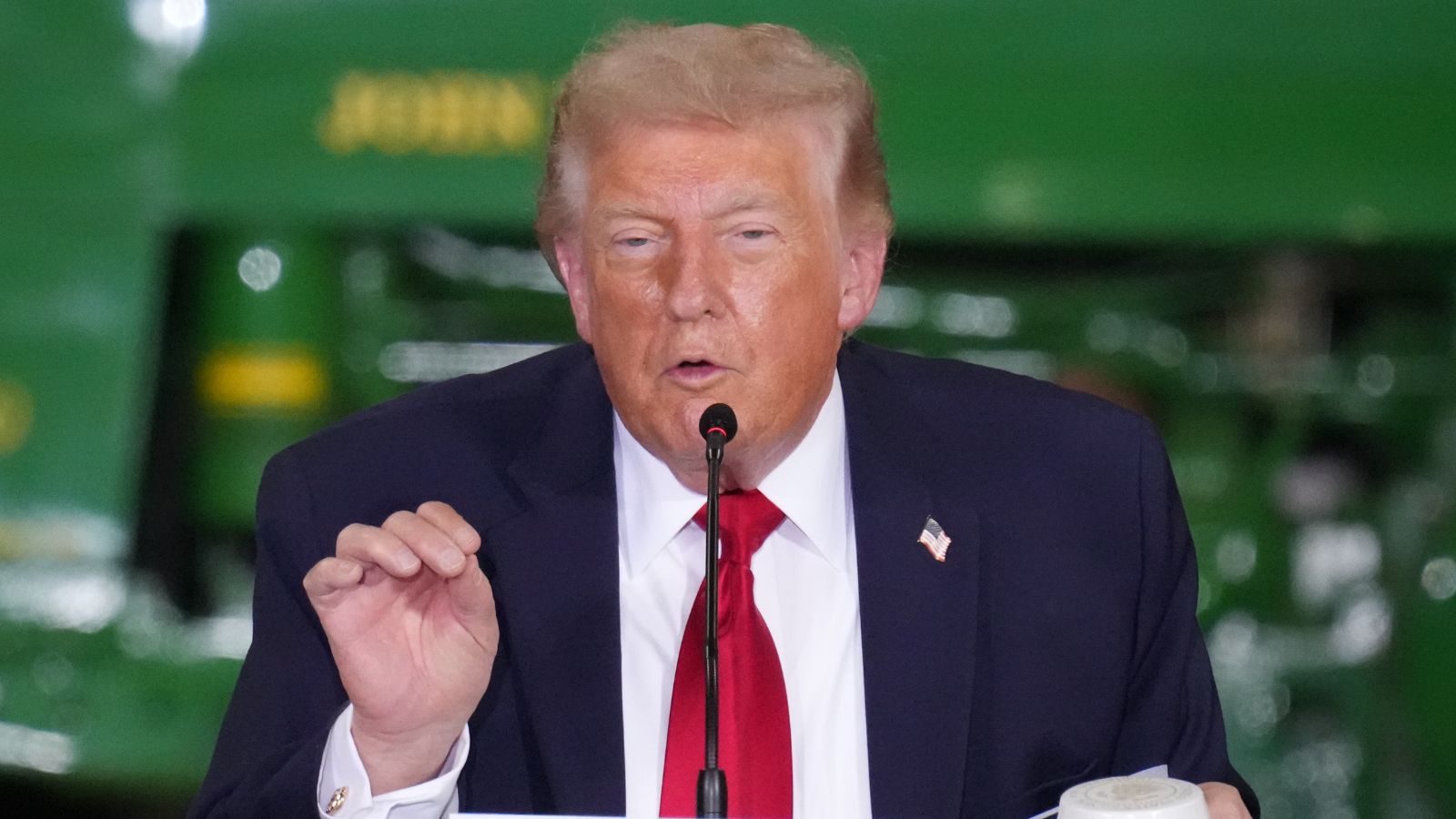
Hamas Given 3-4 Days to Accept Gaza Peace Deal Trump’s ultimatum, suggesting that Hamas must accept the deal within a 3-4 day timeframe, reflects a sense of urgency that he believes could catalyze decision-making. Should Hamas agree to the terms, the anticipated benefits could include increased international support and eventual easing of economic blockades. However, the proposal has not been without critique. Detractors argue that the short acceptance window might alienate potential allies and undermine the legitimacy of the deal among the Palestinian leadership. Moreover, questions about the feasibility and enforceability of the agreement’s provisions remain under scrutiny, raising concerns over whether the proposed objectives can be realistically achieved in the context of ongoing tensions. Overall, the complexities of the situation call for a careful evaluation of the deal’s components and potential outcomes.
Reactions to the Ultimatum: National and International Perspectives
Accept Gaza Peace Deal The recent ultimatum issued by former President Donald Trump, granting Hamas a window of three to four days to accept a proposed peace deal regarding Gaza, has elicited a wide range of reactions from various stakeholders. Within the region, Israeli officials have expressed cautious optimism, emphasizing the necessity for Hamas to acknowledge Israel’s right to exist. They argue that such a deal could pave the way for more stable regional security. However, Israeli Defense Minister Benny Gantz has cautioned that any reliance on Hamas’s acceptance should be tempered with realpolitik, given the group’s history of hostility towards Israel.
Conversely, Hamas leaders have responded defiantly, labeling the ultimatum as a form of coercion. They maintain that any peace deal should prioritize the rights of Palestinian people and call for the lifting of the blockade on Gaza. This confrontation underscores the group’s long-standing resistance to external pressures, particularly from Western powers. The dynamics of this standoff highlight not only the complexities within Palestinian politics but also the intersections of regional Arab sentiment, which largely supports Palestinian claims for sovereignty and self-determination.
Across the global landscape, various governments and international organizations have voiced their opinions. The United Nations has urged for a balanced approach to peace negotiations, calling for the recognition of both Palestinian rights and Israel’s security needs. Additionally, nations in the European Union have expressed concern regarding the feasibility of the deal and the implications it may have for U.S. foreign policy in the Middle East. Public opinion across different nations reflects a spectrum of reactions, ranging from support for diplomatic solutions to skepticism about the viability of any peace agreement. Media outlets have been particularly vocal, analyzing the potential ramifications of Trump’s ultimatum on the geopolitical chessboard.
The Road Ahead: Potential Outcomes and Challenges
The ultimatum issued by Trump for Hamas to accept the proposed peace deal within three to four days presents a critical juncture for all parties involved. The potential outcomes hinge largely on Hamas’s response, which could lead to various scenarios. Should Hamas agree to the terms, the most favorable outcome would be a ceasefire, allowing for a period where dialogue may pave the way for a more sustained peace process. A successful agreement could serve as a foundation for future negotiations, fostering stability in Gaza and potentially improving relations across the region.
Hamas Given 3-4 Days to Accept Gaza Peace Deal Accept Gaza Peace Deal Conversely, if Hamas rejects the peace deal, there is a risk of escalating violence. Such an outcome could result in intensified military confrontations, exacerbating the humanitarian crisis in Gaza and further complicating the peace efforts initiated by both Trump and regional leaders. The regional dynamics will greatly influence these outcomes; alliances, rivalries, and historical grievances play a significant role in shaping the reactions of various actors in the area.
Hamas Given 3-4 Days to Accept Gaza Peace Deal Achieving lasting peace will not be without its challenges. Public sentiment in both Gaza and Israel could serve as a barrier to implementing any agreement. Mistrust between the parties is deeply rooted, and significant public opposition to concessions may arise. Furthermore, geopolitical factors such as the interests of neighboring countries and global powers can complicate the situation. Trump and regional leaders need to navigate these complex layers while fostering a climate conducive to dialogue and cooperation. As they move forward, understanding the multifaceted nature of the crisis and the historical context will be essential in seeking both immediate resolution and long-term peace for the region.