2025: An Exceptional Year
2025: An Exceptional Year The diplomatic relationship between India and the United Kingdom has a rich history that dates back several centuries. It is characterized by a complex interplay of cultural exchanges, political negotiations, and economic partnerships. The legacy of British colonial rule has undoubtedly shaped contemporary relations, influencing not only political frameworks but also economic structures and cultural affiliations. Key milestones in this relationship include the establishment of the British East India Company in the early 17th century, which marked the beginning of significant British involvement in India.
Post-independence in 1947, India and the UK embarked on a journey focused on redefining their relationship on a foundation of mutual respect and cooperation. The early years were marked by efforts to heal the wounds from colonialism, prompting both nations to actively engage in diplomatic dialogues. The close of the 20th century saw a significant shift with the establishment of various bilateral agreements aimed at promoting trade, defense cooperation, and cultural exchanges. Notably, the two countries signed the India-UK Partnership in 2004, which formalized the commitment to elevate their ties across strategic sectors.
In recent years, the focus has shifted towards addressing contemporary global challenges, from climate change to security threats. The Enhanced Trade Partnership announced in 2021 exemplifies the commitment to strengthening economic ties, aiming for a substantial increase in bilateral trade within five years. Cultural connections continue to thrive through educational exchanges, artistic collaborations, and the Indian diaspora’s contributions to British society, thus further cementing the bonds between the two nations. As evidenced by various high-level visits, discussions surrounding political alignment and strategic interests remain at the forefront of India-UK relations.
Key Areas of Collaboration in 2025
2025: An Exceptional Year As 2025 approaches, the bilateral relationship between India and the United Kingdom is poised for significant enhancement, particularly in several key areas of collaboration. One of the foremost sectors where both nations are expected to strengthen ties is trade and investment. With the goal of reaching a substantial bilateral trade target, negotiations are likely to focus on reducing tariffs, eliminating trade barriers, and laying the groundwork for new investment opportunities. The creation of a dedicated task force could facilitate this process, ensuring streamlined interactions between businesses from both countries.
Technology stands out as another critical domain for cooperation. Joint endeavors in artificial intelligence, cybersecurity, and digital innovation are anticipated to be at the forefront. Such collaborations are expected to result in the development of cutting-edge technologies that address shared challenges while promoting economic growth. Educational institutions from both nations might also collaborate on research initiatives, further fostering innovation.
Furthermore, education is slated to become a vital area of partnership. Joint educational programs, student exchange initiatives, and collaborative research projects can enhance cultural exchange and mutual understanding. With an emphasis on skill development, institutions might launch vocational training programs that cater to both Indian and British students, promoting their employability in a rapidly changing job market.
In the context of defense, both nations are likely to increase their military collaboration, focusing on joint exercises, technology sharing, and co-development of defense equipment. This cooperation will not only strengthen security ties but also position India and the UK as influential partners on the global stage.
Lastly, addressing climate change will be a priority in the collaborations between India and the UK. Initiatives aimed at sustainable energy, carbon reduction, and environmental protection can lead to impactful projects that benefit both nations while contributing to global climate goals. Through these extensive partnerships, India and the UK will not only fortify their relationship but also enhance their influence in addressing pressing global challenges.
The Role of Leadership in Strengthening Ties
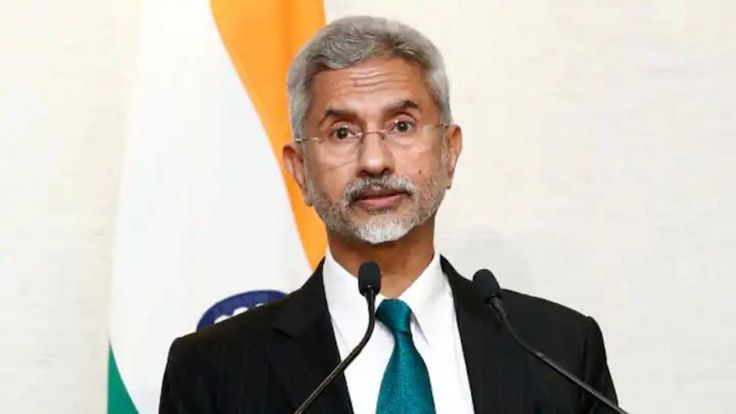
2025: An Exceptional Year The political leadership of both India and the United Kingdom plays a pivotal role in enhancing bilateral relations, especially as the year 2025 approaches, which is projected to be significant for India-UK ties. External Affairs Minister S. Jaishankar’s vision for this partnership emphasizes mutual respect and shared interests. He has articulated a strategic framework that aims to not only foster economic collaboration but also to bolster security and cultural exchanges between the two nations. Minister Jaishankar’s leadership style, characterized by proactive diplomacy and openness, has facilitated numerous dialogues that address common challenges and aspirations.
Key UK policymakers have also demonstrated a commitment to strengthening ties with India. Through various high-level meetings and diplomatic visits, leaders from the UK have expressed a keen interest in enhancing collaboration in sectors such as technology, education, and defense. These efforts reflect a shared understanding of the significance of a robust partnership in addressing global challenges. For instance, discussions surrounding climate change and sustainable development have positioned India and the UK as collaborative partners at international platforms, showcasing how political leadership can influence a broader vision of cooperation.
Moreover, speeches delivered by both Jaishankar and UK leaders often highlight the unique historical and cultural connection between the two nations. This narrative fosters a sense of unity while underlining the importance of strategic alignment in an evolving global landscape. As bilateral initiatives progress, the diplomatic engagements serve as a testament to the effective leadership that informs mutual aspirations and concrete outcomes. In this context, both leaders are not merely representing their countries but are actively shaping the trajectory of India-UK relations, paving the way for a remarkable transformation leading into 2025.
Future Prospects and Challenges
2025: An Exceptional Year The relationship between India and the United Kingdom has the potential for significant growth and development; however, several critical factors will influence its trajectory. A comprehensive analysis using the SWOT (Strengths, Weaknesses, Opportunities, and Threats) framework provides a clearer understanding of this dynamic partnership. The strengths of this relationship are evident in shared democratic values, historical ties, and robust cultural exchanges, which foster mutual respect and understanding. Furthermore, both nations benefit from substantial trade and investment flows, contributing to their economic resilience.
Conversely, weaknesses may arise from the lingering effects of historical grievances and a perceived sense of inequality in negotiations. Public sentiments in both countries can also affect the political climate, making diplomatic relations challenging at times. On the opportunities front, the increase in technological collaboration, education exchanges, and defense partnerships presents several avenues for deepening ties. The growing importance of renewable energy and climate change initiatives can also forge closer alliances as both countries aim to fulfill their environmental commitments.
However, the relationship must navigate threats posed by external geopolitical dynamics, such as shifts in global power balances and the rise of regional conflicts. Trade agreements like the India-UK Free Trade Agreement remain critical yet contentious, with both sides needing to address sector-specific concerns to reach a beneficial accord. Strategies to mitigate these challenges might include regular diplomatic engagements and enhanced communication to address public concerns.
Looking beyond 2025, the evolution of India-UK ties appears promising if both nations can adapt to global trends, including the rise of multipolarity and digital innovation. A proactive approach in tackling mutual challenges while leveraging common strengths will be essential for a resilient and forward-looking relationship.