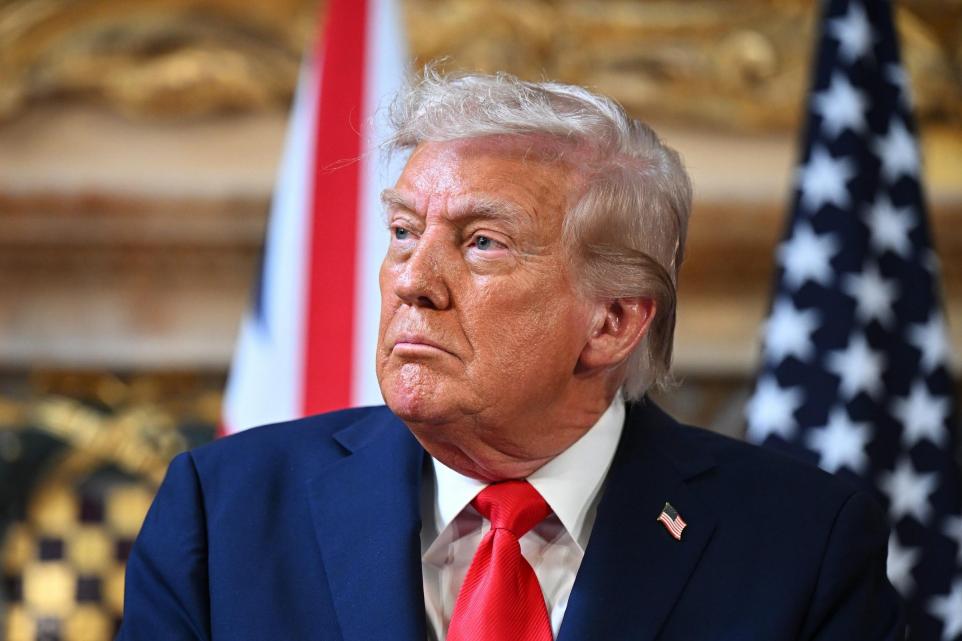
Understanding the Tariff: What It Means
100% Tariff on Pharmaceutical Imports The announcement of a 100% tariff on pharmaceutical imports represents a significant shift in trade policy that aims to reshape the landscape of drug pricing and availability. A tariff of this magnitude implies that any pharmaceutical products entering the country will incur a charge equal to their total value. This policy measures could lead to dramatic increases in costs for imported medications, which may compel pharmaceutical companies to reassess their pricing strategies and potentially raise prices for consumers domestically.
100% Tariff on Pharmaceutical Imports The economic implications of such a tariff are manifold. First and foremost, the added financial burden could lead to increased drug prices for patients, as companies may pass on these costs to consumers to protect their profit margins. Furthermore, healthcare providers may face challenges in securing medications for their patients, particularly for essential drugs that are imported. The potential scarcity of these drugs could result in limited access for patients, which raises significant concerns regarding public health outcomes. A reduction in available pharmaceutical options might push patients towards higher-cost alternatives or generics, which may not be viable for all medical conditions.
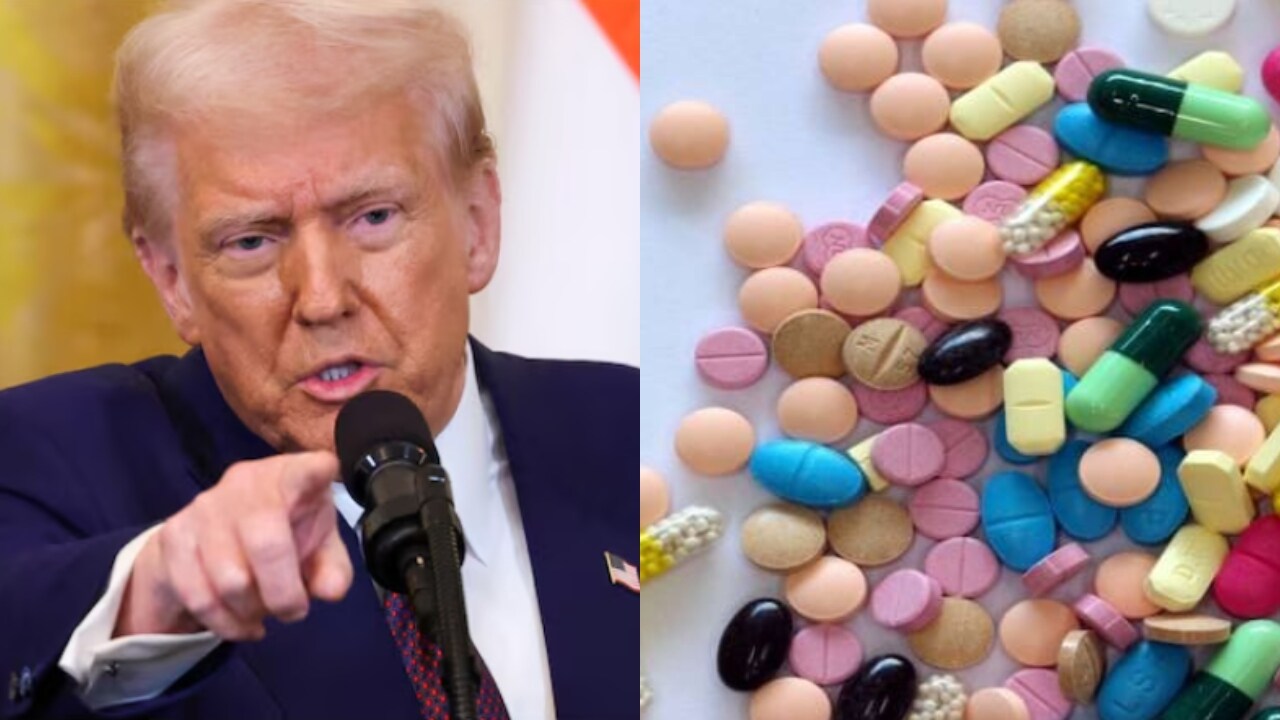
The intended goals behind this bold tariff could be twofold. On one hand, it aims to incentivize domestic production of pharmaceutical products, thereby bolstering the local economy and decreasing reliance on foreign suppliers. On the other hand, it may serve as a political strategy to signal a tough stance on international trade practices that are perceived to undermine domestic interests. The reactions from a variety of stakeholders will be crucial in determining the effectiveness of this policy. Pharmaceutical companies may voice concerns regarding profitability and operational feasibility, while healthcare providers and patients alike may express trepidation over the financial and logistical implications of this tariff, highlighting an ongoing debate centered on the balance between economic policies and access to essential healthcare resources.
The Rationale Behind the Tariff 100% Tariff on Pharmaceutical Imports
In a bold move aimed at reshaping the U.S. pharmaceutical landscape, President Trump proposed a 100% tariff on all pharmaceutical imports. The administration outlined several compelling reasons for this significant measure, particularly focusing on the need to protect domestic manufacturing and reduce dependence on foreign suppliers. By imposing such tariffs, the government aims to encourage pharmaceutical companies to produce medications locally, thereby stimulating the American economy and creating job opportunities within the sector.
One of the pivotal motivations behind the tariff is the ongoing concern regarding drug pricing in the United States. American consumers have expressed frustrations over the high costs associated with prescription medications, which can be attributed to various factors, including market monopolies and lack of competition. The Trump administration believed that by imposing tariffs on imported pharmaceuticals, it would compel foreign suppliers to reconsider their pricing strategies, leading to lower costs for American consumers. This strategy aligns with the broader goal of making healthcare more affordable, enhancing access to vital medications for citizens.
Furthermore, this move reflects Trump’s broader trade policy, which emphasizes reducing the nation’s reliance on foreign goods and services. At the time the tariff was announced, the political landscape was equally influential, as the administration sought to rally support from voters who feel marginalized by global trade dynamics. The tariff also serves as a message to foreign pharmaceutical companies to foster negotiation regarding pricing structures and manufacturing practices, thereby addressing the long-standing issue of American dependency on imported medications. Overall, the rationale behind the 100% tariff on pharmaceutical imports encapsulates a mix of economic, political, and social factors that converge to support the administration’s trade objectives.
Potential Impact on the Pharmaceutical Industry
The imposition of a 100% tariff on pharmaceutical imports represents a seismic shift in trade policy, one that could significantly influence the pharmaceutical industry both domestically and internationally. In the short term, such a tariff would likely lead to increased costs for consumers. Imported drugs could double in price, causing financial strain on patients who rely on these medications. Consequently, many may forgo necessary treatments, potentially leading to detrimental health outcomes.
Moreover, the pricing structure of pharmaceuticals is expected to undergo notable changes. Domestic manufacturers may attempt to fill the gap left by foreign imports, but this transition could be impeded by the existing complexities in drug production and distribution. Companies may resort to raising prices on domestically produced medications to compensate for lost revenue from their former import channels. This scenario could create a dual-effect of escalating costs while simultaneously affecting access to essential medicines.
100% Tariff on Pharmaceutical Imports In the long term, the pharmaceutical industry may pivot towards regional production strategies, with companies seeking to minimize reliance on imported drugs. This could foster increased local manufacturing opportunities, potentially revitalizing the industry. However, it may also stifle innovation; the influx of diverse international products has historically propelled research and development through competition. A reduction in global collaboration might consequently slow the pace at which new drugs are developed and brought to market.
Retaliatory measures from other nations should also be a serious consideration. Countries facing tariffs on their pharmaceutical exports may respond with their own trade barriers, leading to a tit-for-tat scenario that could disrupt established global trade networks. This environment of uncertainty could further complicate the landscape for pharmaceutical companies, impacting their operational strategies and long-term viability in the global marketplace.
Public Reaction and Future Outlook
The introduction of a 100% tariff on pharmaceutical imports has elicited a range of responses from the public, experts, and industry stakeholders. Patients, particularly those with chronic illnesses, have expressed significant concern regarding the immediate implications of the tariff on their access to essential medications. Many fear that this drastic measure could lead to higher prices for pharmaceuticals overall, as domestic manufacturers may not be able to meet demand, thereby exacerbating issues of affordability.
Advocacy groups have also weighed in, highlighting potential inequities that could arise from this policy. Organizations focused on health care equity are apprehensive that the tariff may disproportionately affect low-income individuals who rely heavily on imported medications. These groups argue that the tariff could hinder medication access, placing vulnerable populations at greater risk of health deterioration.
From an economic perspective, economists have expressed mixed views on the efficacy of such a tariff. Some analysts posit that while the intention behind this strategy is to bolster domestic pharmaceutical production and decrease reliance on imports, reality may introduce significant barriers. Challenges such as supply chain disruptions and retaliatory tariffs from other countries could diminish any immediate benefits. Conversely, proponents argue that this move could catalyze innovation within the U.S. pharmaceutical sector, fostering a healthier economy in the long run.
Looking ahead, the landscape of pharmaceutical trade policy is likely to evolve as stakeholders navigate the complexities introduced by this tariff. Policy analysts suggest that the success of the tariff hinges on a careful balance between protecting domestic interests and ensuring that medications remain accessible and affordable for all Americans. Future developments may include calls for reforms and adjustments to existing policies in response to these challenges, highlighting the dynamic nature of international trade relations in the pharmaceutical sector. In conclusion, the implications of this tariff extend beyond immediate financial considerations, reflecting broader questions regarding health care accessibility and economic strategy.