Trump’s 50% Tariff Kerala Finance Minister has sharply criticized former US President Donald Trump’s recent remarks suggesting a 50% tariff on Indian goods if he returns to power, calling it a “bullying tactic” aimed at undermining India’s trade interests. Speaking to reporters, the minister urged the central government, opposition parties, and state leaders to stand united in defending the country’s economic sovereignty.
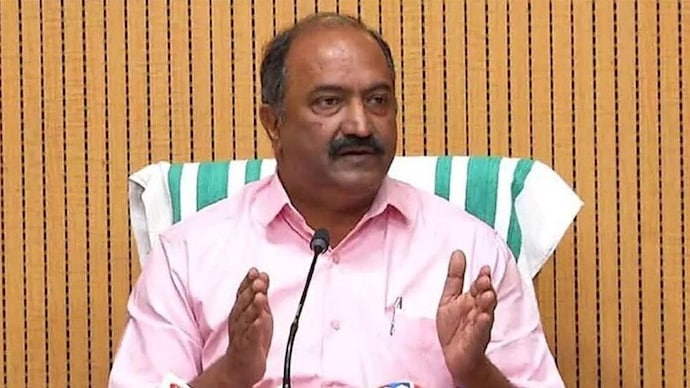
The statement comes amid renewed debates on US-India trade relations and how political shifts in Washington could impact India’s exports.
📈 Trump’s Tariff Remark Sparks Outrage : Trump’s 50% Tariff
In a recent interview, Trump reiterated his long-held position on imposing steep tariffs on foreign imports, including from India. His proposed 50% tariff has been viewed by many as protectionist and detrimental to the spirit of free trade.
The Kerala Finance Minister minced no words in describing the move:
“This is nothing short of economic bullying. We cannot allow such threats to dictate our trade policy or weaken our resolve to protect domestic industries.” Trump’s 50% Tariff
🌏 India-US Trade Relationship — A Complex History
India and the United States have long shared a strong but occasionally tense trade relationship. While the US is one of India’s largest trading partners, disputes over tariffs, market access, and trade deficits have often surfaced.
During Trump’s presidency (2017–2021), the US withdrew India’s Generalized System of Preferences (GSP) benefits, citing unfair trade practices. India responded with retaliatory tariffs on select American goods, including almonds, apples, and walnuts.
Trump’s tariff rhetoric is part of a broader protectionist trend seen in global politics, where countries prioritize domestic industries over free trade commitments. For India, this means strengthening its diversification strategy — expanding trade partnerships with Europe, ASEAN, and Africa to reduce overdependence on any single market.
These tariff battles were eventually eased during President Joe Biden’s tenure, but Trump’s latest comments suggest such tensions could resurface if he regains office. Trump’s 50% Tariff
💬 Kerala Finance Minister’s Call for Unity : Trump’s 50% Tariff
The Kerala Finance Minister emphasized that trade policy should transcend party politics:
“Whether BJP, Congress, or any other political force — we must present a united front in international negotiations. Internal divisions only strengthen external pressures.” Trump’s 50% Tariff
He added that states, especially export-oriented ones like Kerala, have a direct stake in protecting India’s trade competitiveness. Kerala’s economy, heavily dependent on exports of spices, seafood, and IT services, could be significantly affected by steep US tariffs.
🏭 Impact on Indian Economy
Experts warn that a 50% US tariff could have far-reaching consequences for India’s economy:
Export Losses: High tariffs could make Indian goods uncompetitive in the US market, leading to a drop in export volumes.
Job Impact: Sectors like textiles, IT, agriculture, and manufacturing could face reduced demand, impacting employment.
Trade Deficit Concerns: A tariff war could worsen India’s trade balance with the US, affecting currency stability.
Economists also caution that retaliatory tariffs from India could escalate the trade conflict, impacting US companies operating in India.
⚖️ The Bigger Picture — Global Trade Trends
Trump’s tariff rhetoric is part of a broader protectionist trend seen in global politics, where countries prioritize domestic industries over free trade commitments. For India, this means strengthening its diversification strategy — expanding trade partnerships with Europe, ASEAN, and Africa to reduce overdependence on any single market.
📢 Conclusion
The Kerala Finance Minister’s strong response to Trump’s proposed 50% tariff highlights growing concerns over India’s vulnerability to shifting US trade policies. His call for unity underlines the importance of presenting a cohesive national stance in defending economic interests. Trump’s 50% Tariff
As global political dynamics continue to shift, India will need a balanced strategy — defending its trade interests while maintaining diplomatic engagement with key partners like the United States.